Choosing the right steel for an injection mold affects tool life, part quality, maintenance requirements and total manufacturing cost. The best choice depends on the plastic resin, expected production volume, required surface finish, wear and corrosion risks, and the machining and heat treatment processes available.
P20 is a common starting point for general-purpose plastic injection molds. H13 may be appropriate when toughness and thermal stability are important, S7 can be considered for applications involving significant impact loads, and 420 stainless mold steel is worth evaluating when corrosion resistance and surface finish are priorities. These are starting points, not universal recommendations. The final selection should reflect the actual operating conditions and mold design.
What Is Injection Mold Steel?
Injection mold steel is the steel used to manufacture mold components that shape molten plastic into finished parts. Depending on the design, these components may include cavities, cores, inserts, slides and other tooling elements.
Steel selection affects several aspects of mold performance, including dimensional stability, resistance to wear, polishability, corrosion resistance and the ability to withstand repeated molding cycles. Material properties also influence machining time, heat treatment requirements and the cost of maintaining the tool.
Steel is widely used for injection molds because it offers a useful combination of strength, durability and machinability. However, different grades have different strengths and limitations, so the appropriate mold-making approach should account for both the steel and the intended application.
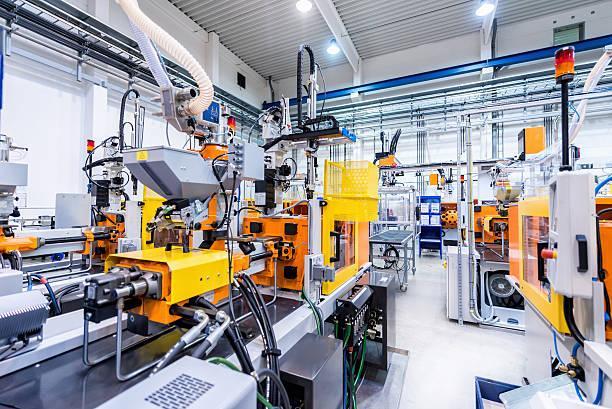
Common Steel Materials for Injection Molds
P20, H13, S7 and 420 stainless mold steel serve different purposes. Comparing them by their primary characteristics is more useful than ranking them from best to worst.
1. P20 Prehardened Tool Steel
P20 is a low-alloy mold steel commonly supplied in a prehardened condition. Its combination of machinability, toughness and moderate hardness makes it a practical option for many general-purpose plastic injection molds.
Because P20 is supplied prehardened, many applications can proceed through machining and finishing without a subsequent full hardening treatment. This can simplify the manufacturing process and reduce the risk of dimensional changes associated with additional hardening.
Key characteristics
- Good machinability in the supplied condition.
- A useful balance of toughness and strength for general-purpose tooling.
- Good polishability when the steel quality and finishing process are appropriate.
- Reduced need for additional hardening in applications suited to its supplied hardness.
When to consider P20
P20 is often considered for conventional thermoplastic molds where machinability, initial tooling cost and a practical service life are important. It can also be used for mold bases and other tooling components, depending on the grade and design requirements.
P20 is not automatically the best choice for every high-volume application. Abrasive fillers, corrosive resin decomposition products, demanding optical finishes or unusually high wear requirements may justify a different grade or a suitable surface treatment.
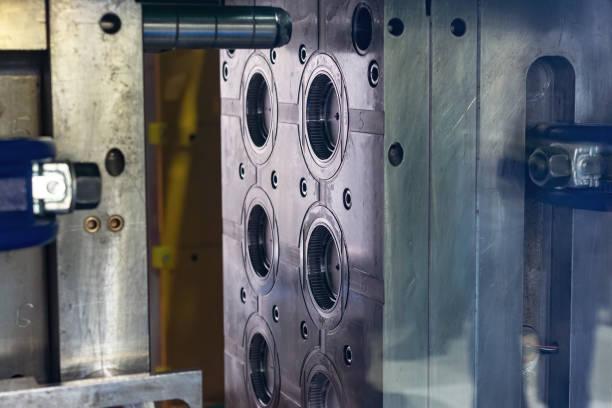
2. H13 Hot-Work Tool Steel
H13 is a chromium-based hot-work tool steel known for its combination of toughness, thermal stability and wear resistance. Although widely associated with hot-work tooling, it is also used in selected plastic mold applications.
Its value depends on the operating conditions rather than simply on whether a cavity is deep or production volume is high. H13 may be appropriate when thermal loading, mechanical stress or resistance to cracking makes its property balance advantageous.
Key characteristics
- Good toughness and resistance to cracking under demanding conditions.
- Good thermal stability during repeated heating and cooling.
- Useful wear resistance, depending on hardness and service conditions.
- Heat treatment requirements that must be incorporated into the tooling process.
When to consider H13
H13 may suit molds or mold components exposed to demanding thermal conditions, mechanical loading or elevated wear risk. Its suitability should be evaluated against the actual resin, mold temperature, cavity geometry and expected maintenance requirements.
H13 is not inherently harder than P20 in every condition. Hardness depends on the supplied condition and heat treatment, and H13 may require additional machining and finishing operations after heat treatment.
3. S7 Shock-Resisting Tool Steel
S7 is a shock-resisting tool steel designed to provide high impact toughness. It can be considered for tooling applications where impact loading, chipping or fracture resistance is a significant concern.
Unlike P20, S7 should not automatically be classified as a conventional prehardened plastic mold steel. Its delivery condition and final hardness depend on the specified product and heat treatment.
Key characteristics
- High impact toughness.
- Good resistance to chipping and fracture under appropriate conditions.
- Useful strength and wear resistance when properly heat-treated.
- A potential option for specialized tooling components subject to impact or mechanical shock.
When to consider S7
S7 may be appropriate for selected mold components or specialized tooling where impact resistance is a primary requirement. However, its suitability for a particular injection mold must be evaluated against machinability, dimensional stability, surface finish and the required production life.
For ordinary plastic injection mold cavities, S7 should not be selected solely because it has high toughness. The intended application must justify its use compared with more conventional mold steels.
4. 420 Stainless Mold Steel
420 stainless mold steel is a martensitic stainless steel grade used in plastic molds that require a combination of corrosion resistance, hardness, wear resistance and good surface finish.
Its properties depend on the exact grade, cleanliness, manufacturing quality and heat treatment. Mold-quality variants may be available with improved consistency and polishability for demanding cavity surfaces.
Key characteristics
- Corrosion resistance that can be advantageous when molding chemically aggressive plastics.
- Good polishability in suitable mold-quality grades.
- Wear resistance that depends on the specific grade and final hardness.
- Heat treatment and machining requirements that must be considered during tool design.
When to consider 420 stainless mold steel
420 stainless steel may be worth evaluating for molds used with certain corrosive resins, applications requiring a high-gloss finish, or tooling where corrosion-related maintenance is a concern.
It is not universally superior to other mold steels, and corrosion resistance varies with material composition and environmental conditions. For medical device applications, steel selection alone does not establish product or manufacturing compliance.
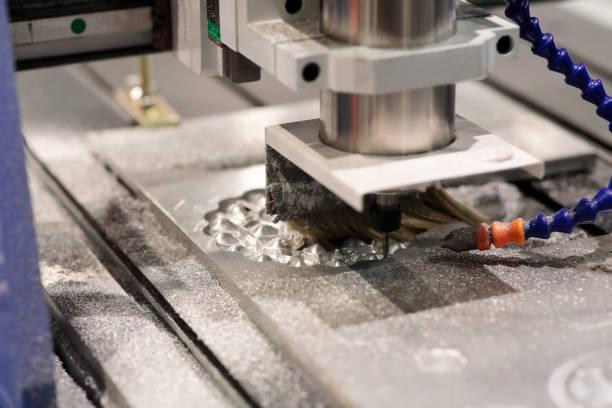
Injection Mold Steel Comparison
The following table provides an initial screening framework. Actual performance depends on the specific grade, supplied condition, heat treatment, mold design and operating environment.
| Steel | Main advantage | Potential applications | Main consideration |
|---|---|---|---|
| P20 | Machinability and balanced toughness | General-purpose thermoplastic molds and mold bases | May be insufficient for demanding corrosion or wear conditions |
| H13 | Toughness and thermal stability | Selected molds and components exposed to demanding thermal or mechanical conditions | Heat treatment, machining and final hardness require planning |
| S7 | High impact toughness | Specialized tooling and components exposed to impact or shock loading | Not a default substitute for conventional plastic mold steel |
| 420 stainless | Corrosion resistance and polishability | Selected corrosive-resin applications and high-finish mold cavities | Grade quality, heat treatment and corrosion conditions matter |
No single steel grade is best for every mold. The table should be used to narrow the options before evaluating the detailed requirements of the project.
Factors to Consider When Choosing Injection Mold Steel
Hardness and Wear Resistance
Hardness helps a mold surface resist indentation and deformation, while wear resistance influences how quickly the cavity, core and other working surfaces deteriorate during production.
These properties are related but not interchangeable. Increasing hardness does not automatically produce the best overall tool because toughness, heat treatment, geometry and loading conditions also affect service performance.
Abrasive plastics containing glass fibers or mineral fillers can accelerate mold wear. For these applications, the steel grade, surface hardness and any proposed surface treatment should be evaluated together.
Toughness and Mold Geometry
Toughness is important when a mold contains thin sections, sharp corners, narrow cores or other features that concentrate stress. These features may be more vulnerable to cracking or chipping under repeated mechanical loads.
Mold design and steel selection should therefore be considered together. Improving corner geometry, reducing stress concentrations or using replaceable inserts may help address a failure risk without requiring every component to use a more expensive steel.
Corrosion Resistance and Resin Compatibility
Some plastics can release corrosive decomposition products when processed under unsuitable or excessive temperatures. Certain additives, flame retardants and processing conditions can also increase corrosion concerns.
For these applications, corrosion-resistant mold steel may reduce surface deterioration and maintenance requirements. The selection should account for the actual resin formulation, processing conditions, cleaning practices and expected exposure rather than relying on the general label of a plastic family.
Polishability and Surface Finish
The required surface finish affects both the steel selection and the mold-finishing process. Transparent parts, optical components and high-gloss products may require more demanding cavity surface quality than parts with a textured or concealed finish.
Steel cleanliness, microstructure, heat treatment and polishing technique can all influence the achievable finish. A steel grade should not be selected based on a general polishability claim alone. The supplier’s grade-specific information and the required finish should be reviewed before tooling begins.
Machinability and Heat Treatment
Machinability affects machining time, tool wear, manufacturing cost and the ability to produce complex cavity features accurately. Prehardened steel can simplify manufacturing when its supplied hardness is sufficient for the intended application.
Through-hardening, stress relief, nitriding and other treatments may be considered depending on the steel and the required performance. However, these processes introduce their own requirements for dimensional control, surface preparation and process planning.
The correct sequence of rough machining, heat treatment, finish machining and polishing depends on the selected grade and mold design. It should be established with the tooling manufacturer rather than assumed to be the same for every steel.
Production Volume, Tool Life and Total Cost
The expected production volume influences how much investment in mold steel and additional processing is justified. A lower-cost steel may be appropriate for a short production run, while a longer-running project may benefit from better wear resistance, reduced corrosion-related maintenance or more stable cavity performance.
The decision should consider more than the initial steel price. Relevant costs include machining, heat treatment, polishing, repairs, downtime, replacement components and the consequences of dimensional changes during production.
A useful comparison evaluates the expected total cost over the intended service life rather than assuming that the most expensive steel will always deliver the best economic result.
Mold Component Requirements
Not every component in an injection mold experiences the same conditions. Cavities and cores determine part geometry and surface quality, while slides, guide components, ejector elements and support plates have different mechanical and wear requirements.
Using a single steel grade throughout the entire mold may not be necessary. Where technically appropriate, different materials can be selected for specific components based on their loads, movement, surface requirements and exposure to the resin.
This approach should be evaluated during mold design and manufacturing so that material selection, component geometry and production methods remain compatible.
SeaSkyMedical’s Injection Mold Manufacturing Support
Steel selection is one part of the wider mold development process. Mold geometry, machining strategy, finishing requirements and expected production conditions also influence whether a tooling design can meet its intended performance targets.
SeaSkyMedical supports plastic injection molding and custom plastic molding projects. For medical applications, medical plastic injection molding may also be relevant to the manufacturing requirements.
When evaluating a new mold, provide the resin specification, expected production volume, part drawings, surface finish requirements and any known corrosion or wear concerns. These details help establish a more practical basis for discussing steel options, tooling processes and manufacturing constraints.
Conclusion
Choosing the right steel for an injection mold requires balancing wear resistance, toughness, corrosion resistance, surface finish, machinability and total tooling cost. P20, H13, S7 and 420 stainless mold steel each have distinct characteristics, but their suitability depends on the actual mold design and operating conditions.
A sound selection process starts with the part requirements and expected production environment, then compares suitable grades against the required performance and manufacturing constraints. For support with a specific project, contact SeaSkyMedical to discuss the mold design and manufacturing requirements.