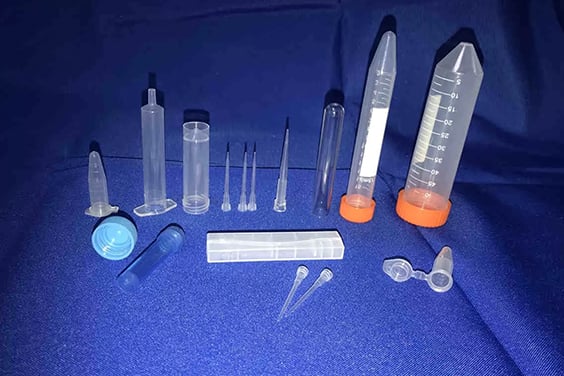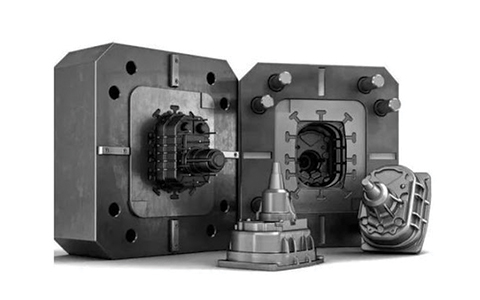
Injection molding creates the primary geometry of plastic components. The molding process forms the base structure of the part using molten thermoplastic materials in modern plastic injection molding systems.
However, molded parts are not always ready for final product use immediately after ejection from the mold. Many components require additional manufacturing steps to meet dimensional, functional, or assembly requirements.
These additional steps are known as secondary operations. They refine molded parts and prepare them for integration into finished products.
What Are Secondary Operations in Injection Molding

Secondary operations are manufacturing processes performed after the injection molding cycle. These processes modify, enhance, or prepare molded parts for their final application.
Injection molding is highly capable of producing complex geometries with good repeatability. Even so, some product features cannot be fully achieved within the mold due to tooling constraints, material behavior, or product design requirements.
Secondary operations are therefore used to complete the manufacturing process. These operations typically include machining, joining, surface finishing, insert installation, assembly, and packaging preparation.
In many industries, including projects involving medical plastic injection molding, secondary operations are an essential part of the overall production workflow.
Manufacturers may also integrate these processes as part of broader secondary operations services.
Why Secondary Operations Are Often Required After Molding
Injection molding can produce complex plastic parts with tight tolerances. Despite this capability, certain product features are better implemented after molding.
Several engineering factors influence the need for secondary operations.
• Dimensional refinement – critical dimensions may require additional machining or trimming
• Functional features – threads, inserts, or holes may need to be added after molding
• Assembly preparation – parts must often be joined with other components
• Product identification – labeling, traceability markings, or serial numbers may be required
• Surface appearance – cosmetic finishing may improve product presentation or usability
Material properties can also influence post-mold processing requirements. For example, hygroscopic plastics such as nylon may require conditioning to stabilize mechanical performance after molding.
Common Secondary Operations Used for Molded Plastic Parts

Secondary processing operations generally fall into several manufacturing categories. Each category addresses a different aspect of product completion.
Joining and Welding Operations
Many plastic products are manufactured as multi-component assemblies. These components must be securely joined to form a functional product.
Common plastic joining methods include:
- ultrasonic welding
- hot plate welding
- heat staking
- adhesive bonding
- snap-fit joining
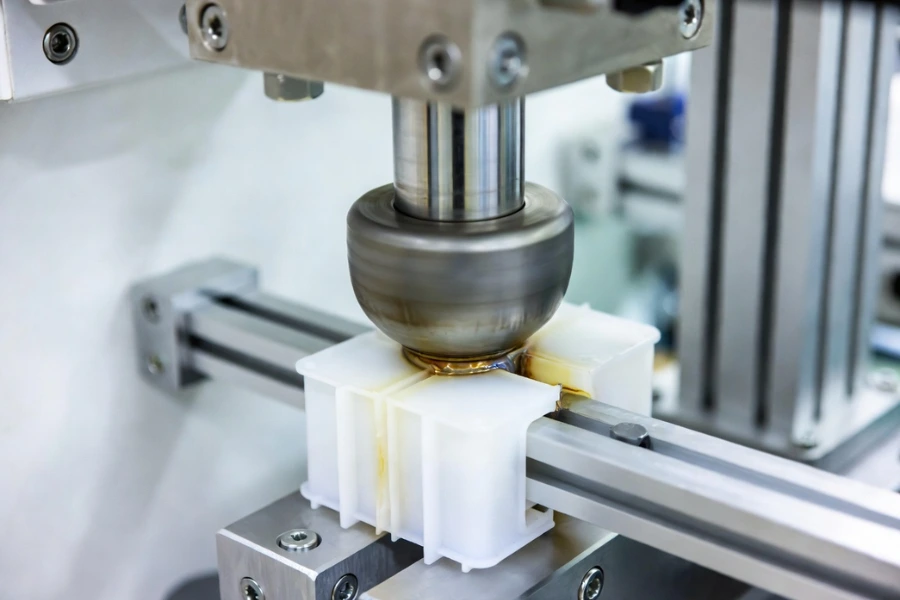
Ultrasonic welding is widely used for thermoplastic materials. High-frequency mechanical vibrations generate localized heat that melts the plastic surfaces and creates a molecular bond between components.
Heat staking and hot plate welding are commonly used for larger assemblies or when installing inserts into molded parts. These techniques allow manufacturers to produce sealed or structurally stable plastic assemblies.
Joining operations are widely used in applications such as medical housings, fluid reservoirs, diagnostic cartridges, and electronic device enclosures.
Post-Mold Machining and Trimming
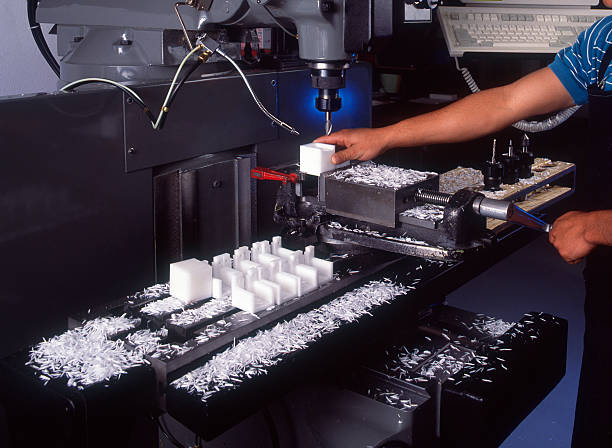
Although injection molding offers high dimensional repeatability, certain features are more practical to create using secondary machining operations.
Typical post-mold machining processes include:
- drilling
- trimming excess plastic
- precision finishing
- CNC plastic machining
Machining operations are often used to create precision holes, remove flash, or adjust specific dimensions that are difficult to achieve within the mold.
Because machining removes material, it is generally limited to minimal modifications that do not significantly increase production cycle time.
Surface Finishing and Decoration
Surface finishing operations improve both the appearance and usability of molded plastic components.
Common finishing techniques include:
- painting
- pad printing
- screen printing
- laser marking
- plating
Printing processes are frequently used to apply product identification information such as logos, warning labels, or part numbers. Pad printing is particularly effective for irregular surfaces, while screen printing is typically used for flat or cylindrical components.
In some cases, coatings may also provide functional benefits such as chemical resistance, abrasion resistance, or electromagnetic shielding.
Insert Installation and Fastening
Plastic threads alone may not provide sufficient strength for repeated fastening or high mechanical loads. To improve mechanical durability, metal inserts are commonly installed after molding.
Common insert installation methods include:
- heat-installed threaded inserts
- ultrasonic insert installation
- mechanical fasteners such as screws or bolts
Threaded inserts are often made from brass or stainless steel. These inserts provide stronger threads and allow parts to be assembled and disassembled without damaging the surrounding plastic material.
In some product designs, threaded features may also be integrated during medical insert molding, depending on the product structure.
Assembly Operations
Many molded components must be integrated with other parts before becoming a functional product.
Assembly operations may involve:
- manual component assembly
- automated robotic assembly
- installation of mechanical or electronic parts
- kitting and product preparation
Manufacturers often rely on specialized medical device assembly services to ensure consistent integration of components.
Automated assembly systems are frequently used in high-volume production environments to improve repeatability and efficiency.
Packaging and Final Preparation
Packaging operations ensure that finished components remain protected during transportation and storage.
Typical packaging processes include:
- sterile packaging
- protective packaging for shipping
- retail-ready packaging
- product labeling and documentation
In regulated industries, packaging must meet strict standards. Proper medical device packaging helps maintain product cleanliness and transportation safety.
Packaging processes may also be performed in controlled environments to maintain product integrity.
Material Conditioning After Molding
Certain plastics require conditioning after molding to stabilize their internal structure and mechanical performance.
These processes are particularly important for engineering plastics used in precision applications.
Annealing
Annealing involves heating molded parts to a controlled temperature followed by slow cooling. This process relieves internal stresses generated during molding and improves dimensional stability.
Moisture Conditioning
Hygroscopic plastics absorb moisture from the environment. Parts produced through processes such as nylon injection molding may require conditioning to restore optimal mechanical properties.
Controlled Cooling or Fixturing
Large or thick molded parts may retain heat after ejection from the mold. Fixtures may be used during cooling to maintain the correct geometry and prevent warping or distortion.
Material conditioning helps ensure long-term dimensional accuracy and mechanical reliability.
Advantages and Limitations of Secondary Operations
Secondary operations provide several manufacturing benefits but also introduce additional process considerations.
| Aspect | Description |
|---|---|
| Advantages | Enables complex assemblies and integrated products |
| Advantages | Improves functionality and mechanical performance |
| Advantages | Enhances product appearance and identification |
| Limitations | Adds additional manufacturing steps |
| Limitations | May increase production cost |
| Limitations | Requires additional process control |
Manufacturers evaluate these factors during product development to determine the most efficient production strategy.
Secondary Operations in Medical Device Manufacturing
Secondary operations are particularly important in medical device manufacturing. Medical components often require strict dimensional accuracy, traceability, and controlled production environments.
Common processes may include:
- precision assembly of multiple components
- laser marking for product traceability
- ultrasonic welding for sealed housings
- installation of metal inserts for structural strength
- sterile packaging and cleanroom handling
Many high-precision components are produced using technologies such as micro injection molding, which often require secondary assembly and finishing operations.
SeaSkyMedical supports these requirements through integrated manufacturing capabilities and cleanroom-controlled production environments.
Integrated Injection Molding and Secondary Processing
Many manufacturers prefer to combine injection molding and secondary operations within a single production facility.
This integrated approach provides several advantages.
• improved quality control across manufacturing stages
• reduced logistics complexity between suppliers
• faster production timelines
• better coordination between tooling, molding, and finishing processes
Effective manufacturing begins with precision mold making and continues through molding and post-processing.
Secondary operations should also be considered early during medical product development to reduce unnecessary manufacturing complexity.
SeaSkyMedical provides integrated services including mold design, injection molding, secondary processing, assembly, and packaging support.
Conclusion
Injection molding produces the structural foundation of plastic components. However, many molded parts require additional processing steps before they can function as finished products.
Secondary operations enhance molded components by improving functionality, enabling assembly, and refining surface quality. These processes may include joining, machining, finishing, insert installation, assembly, and packaging preparation.
When properly integrated into the manufacturing workflow, secondary operations help ensure that plastic components meet performance requirements and production quality standards.
For more information about medical injection molding and secondary processing capabilities, contact SeaSkyMedical.
FAQ
Q1 What are secondary operations in injection molding
Secondary operations are manufacturing processes performed after injection molding. These operations refine molded plastic parts by adding functional features, improving surface quality, or preparing components for assembly and packaging.
Q2 Why do molded plastic parts require post-processing
Molded parts may require additional processing to meet final product specifications. Post-processing can improve dimensional accuracy, add mechanical features, apply identification markings, or prepare components for assembly.
Q3 What finishing processes are commonly used after injection molding
Common finishing processes include painting, pad printing, screen printing, laser marking, and plating. These techniques enhance appearance and allow manufacturers to apply product information or branding.
Q4 How are plastic parts joined after injection molding
Plastic parts can be joined using ultrasonic welding, heat staking, adhesive bonding, or mechanical fasteners. The appropriate joining method depends on material type, strength requirements, and assembly design.
Q5 Are secondary operations common in medical injection molding
Yes. Medical plastic components often require secondary operations such as assembly, insert installation, traceability marking, and sterile packaging to meet regulatory and performance requirements.