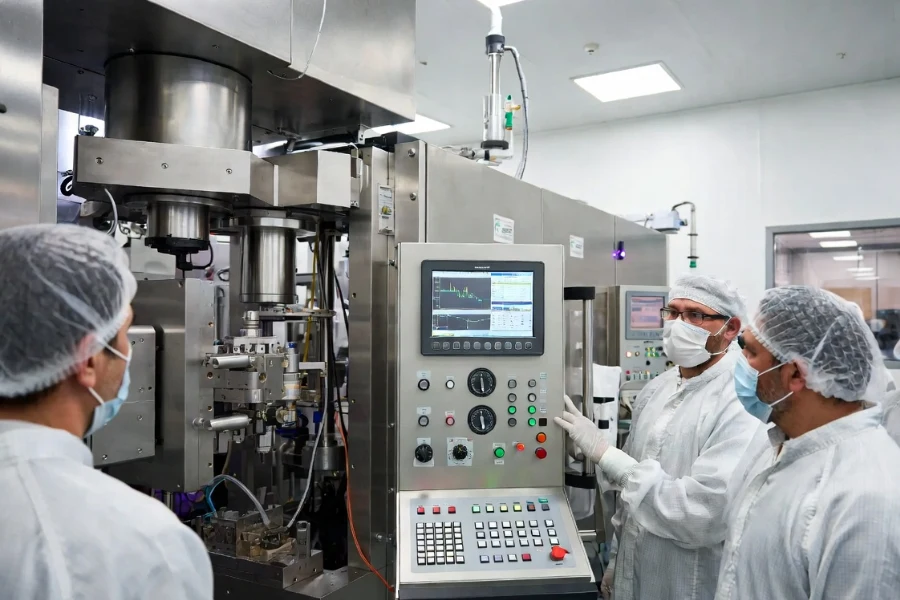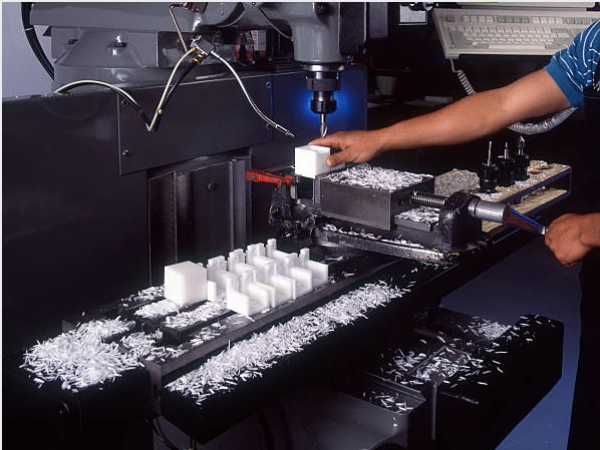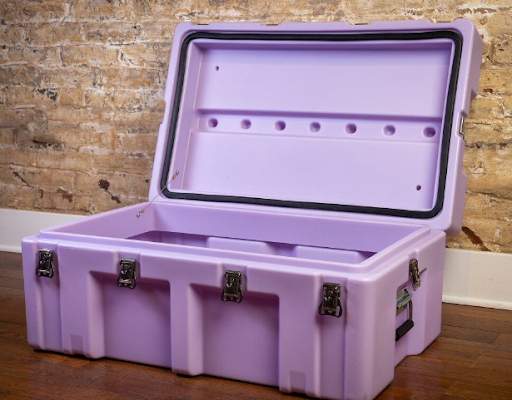
Plastic injection molding produces components used in many regulated industries such as medical devices. Manufacturers that specialize in medical plastic injection molding often support additional production stages before products are ready for distribution.
These stages typically include assembly, packaging, and logistics coordination. Manufacturing partners that support these processes help simplify the production workflow and reduce supply chain complexity.
How Injection Molding Partners Support Product Assembly
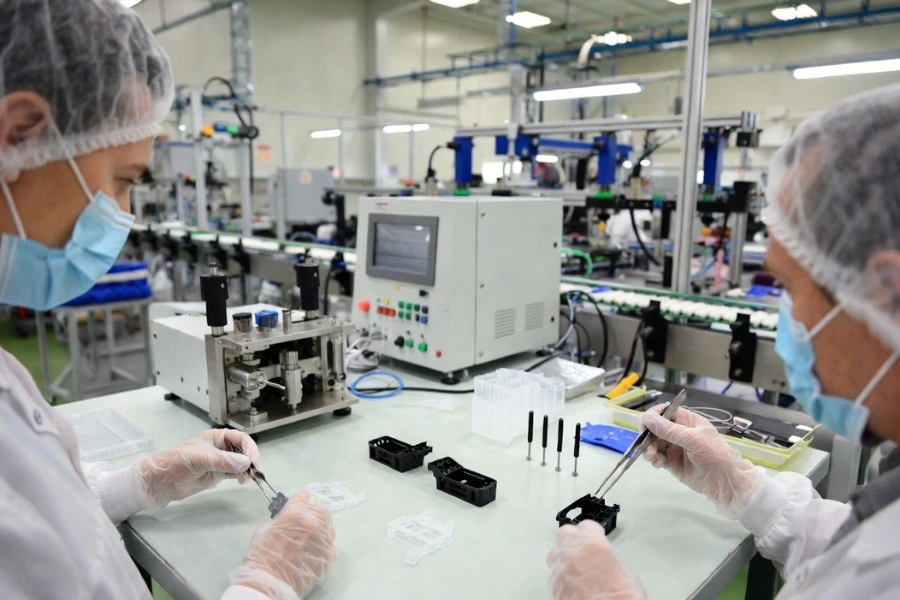
After plastic components are molded, they often need to be combined with other parts or hardware before the final product is complete. Many manufacturers provide medical device assembly as part of their post-molding operations.
Performing assembly within the same facility reduces handling steps and helps maintain consistent production quality.
Typical Post-Molding Assembly Operations
Post-molding assembly operations vary depending on product design and application requirements.
Common processes include:
- Ultrasonic welding of plastic components
- Mechanical fastening using screws or clips
- Insert installation into molded parts
- Multi-part plastic component assembly
- Integration of springs, seals, or metal hardware
- Functional inspection and product testing
These activities are typically part of broader secondary manufacturing operations that occur after the injection molding stage.
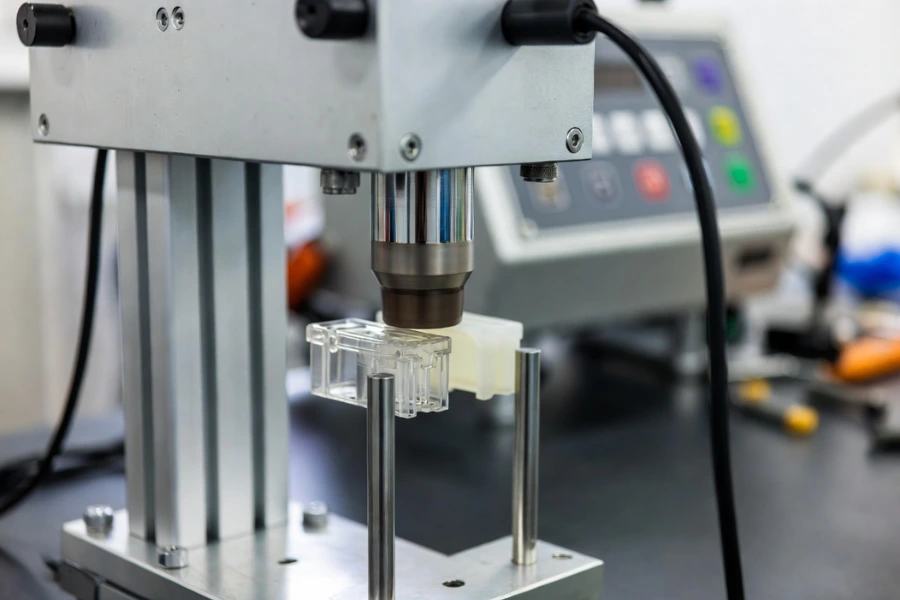
Manufacturing Constraints That Affect Assembly
Assembly processes must consider several engineering factors to ensure reliable performance.
Typical constraints include:
- Tolerance stack-up between molded components
- Material compatibility when joining plastics and metals
- Joint strength requirements for welded or fastened parts
- Dimensional stability after molding and cooling
Manufacturers that understand these constraints can help design plastic parts that are easier to assemble and more stable in production.
Assembly Requirements in Medical Manufacturing
Medical plastic components often require controlled environments during assembly. These environments help reduce contamination risks and maintain product integrity.
Medical assembly commonly involves:
- Cleanroom assembly environments
- Controlled handling procedures
- Component traceability and batch identification
- Documented manufacturing processes
Many diagnostic and laboratory products are assembled in ISO Class 7 or ISO Class 8 cleanrooms. Controlled environments supported by processes such as cleanroom injection molding help maintain product cleanliness during production.
Facilities like SeaSkyMedical integrate molding and cleanroom assembly within the same production environment to support regulated medical manufacturing.
Packaging Support for Molded Plastic Components
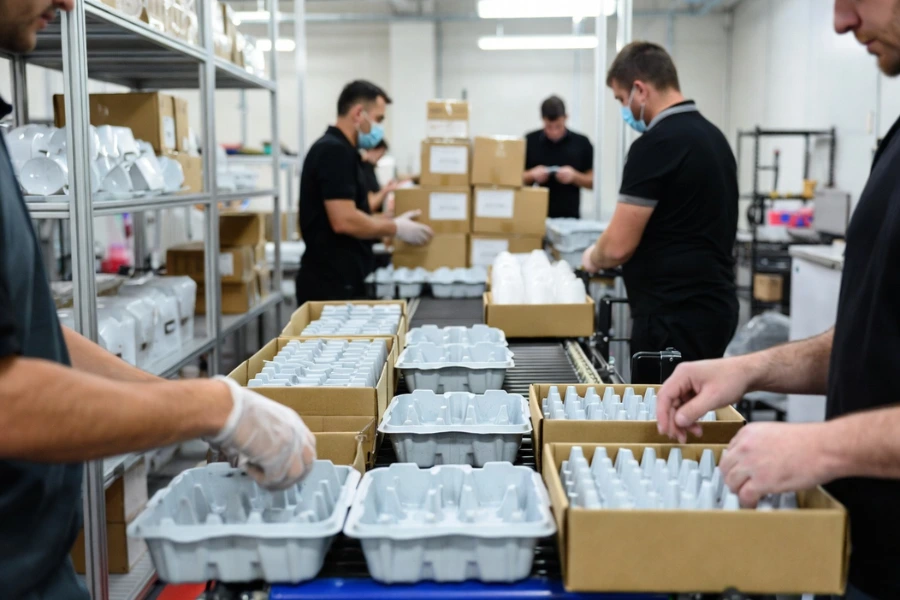
Packaging protects molded products during transportation and prepares them for storage and distribution. Proper packaging also supports product identification and traceability.
Injection molding partners frequently provide medical device packaging services as part of their secondary manufacturing capabilities.
Common Packaging Formats
Several packaging formats are commonly used for molded plastic components.
| Packaging Type | Typical Use |
|---|---|
| Individual packaging | Protection of single components |
| Inner case packaging | Grouping smaller product quantities |
| Master cartons | Transport of multiple packaged units |
| Palletized packaging | Efficient transportation and storage |
| Bulk cartons | High-volume distribution of non-sensitive parts |
The packaging format selected typically depends on product handling requirements and the distribution method.
Packaging Considerations for Medical Components
Medical products often require additional packaging controls to maintain cleanliness and regulatory traceability.
Typical considerations include:
- Batch and lot labeling
- Protective pouch or tray packaging
- Sterilization-compatible packaging materials
- Seal integrity for contamination control
Some medical packaging must also withstand sterilization processes such as gamma irradiation or ethylene oxide sterilization.
Manufacturers that perform packaging within controlled environments help maintain product integrity during this stage of production.
Logistics and Distribution Support from Manufacturing Partners
After assembly and packaging, finished products must be prepared for shipment and distribution. Many injection molding manufacturers support logistics coordination to help move products efficiently through the supply chain.
These services help ensure that molded components reach warehouses, distributors, or end users on time.
Inventory and Warehousing Support
Manufacturers may provide short-term storage for finished products before shipment. Inventory management systems are used to track production batches and release schedules.
Typical warehousing services include:
- Short-term product storage
- Inventory tracking systems
- Batch and lot management
- Scheduled release of production batches
These services help stabilize supply while reducing unnecessary transportation between facilities.
Distribution and Order Fulfillment
Manufacturing partners may also coordinate product shipment and order fulfillment.
Common distribution methods include:
- Palletized freight shipments
- Direct delivery to distribution centers
- Drop shipping to warehouses or customers
- Just-in-time delivery schedules
Efficient logistics coordination helps reduce lead times and improve supply chain reliability.
Advantages of Working with an Integrated Molding Partner
Manufacturers that support assembly, packaging, and logistics provide a more streamlined production structure.
Several advantages are commonly observed.
Simplified Supply Chain
Working with a single manufacturing partner reduces the number of suppliers involved in production. Communication and coordination become more straightforward.
Reduced Production Lead Time
Products do not need to be transported between multiple vendors for assembly or packaging. This helps shorten the time between molding and final delivery.
Improved Quality Oversight
Quality monitoring can be applied across molding, assembly, and packaging when these operations occur within the same facility.
Lower Operational Complexity
Managing one supplier instead of several vendors simplifies scheduling and production planning.
Industries That Benefit from Integrated Manufacturing Services
Integrated molding, assembly, and logistics services are widely used in industries that rely on plastic components.
Common applications include:
- Medical device manufacturing
- Laboratory consumables production
- Diagnostic equipment components
- Industrial equipment parts
- Consumer product manufacturing
Medical manufacturing often requires strict environmental control and product traceability. Companies offering services such as medical device contract manufacturing can help support these requirements through integrated production environments.
SeaSkyMedical provides manufacturing services for precision plastic components used in OEM medical components and other regulated products.
Conclusion
Plastic injection molding is one stage in the production of many plastic products. After molding, components often require assembly, packaging, and logistics coordination before they are ready for distribution.
Manufacturers that support these stages within a single facility help reduce supply chain complexity and improve production efficiency. Integrated production environments allow molded parts to move efficiently from manufacturing to final delivery.
SeaSkyMedical provides medical injection molding and integrated manufacturing services designed to support regulated medical production.
Contact SeaSkyMedical for more information.
FAQ
Q1 How do injection molding companies support product assembly?
Injection molding manufacturers often provide secondary operations such as ultrasonic welding, insert installation, and multi-part assembly. These processes allow molded components to be converted into finished products before packaging and distribution.
Q2 Why do some manufacturers combine molding and packaging services?
Combining molding and packaging reduces transportation between suppliers. This approach improves production efficiency and helps maintain consistent quality during manufacturing.
Q3 What logistics services can molding partners provide?
Many injection molding manufacturers provide warehousing, inventory tracking, and distribution coordination. These services may include palletized shipments, drop shipping, and scheduled deliveries.
Q4 Why is cleanroom assembly important for medical plastic components?
Cleanroom assembly helps control particulate contamination during manufacturing. Controlled environments are commonly required for medical devices and laboratory consumables.