What change control and versioning mean in injection molding
Injection molding suppliers handle change control through a structured workflow that governs design updates, tooling revisions, and process revalidation, especially in integrated environments such as medical plastic injection molding. This ensures that every modification is evaluated, approved, and implemented without introducing uncontrolled variation into production, while versioning provides a traceable system that links each production batch to a defined combination of design revision, tooling state, and process parameters.
In practice, change control extends beyond documentation and includes physical tooling updates, validated process windows, and controlled production conditions, while versioning ensures that all these elements remain synchronized and auditable across the product lifecycle. SeaSkyMedical typically applies structured engineering change processes within controlled manufacturing environments, ensuring that each approved revision is documented, validated, and reproducible under stable conditions.
Change control workflow in injection molding suppliers
Change request initiation (ECR or ECO)
The process begins with a formally documented change request, initiated either by the customer or internally, which defines the scope, purpose, and expected outcome of the modification while establishing a controlled starting point for evaluation.
Cross-functional impact review
A cross-functional team evaluates the request to determine its feasibility and impact, considering how the proposed change will affect tooling complexity, cycle time, dimensional stability, and downstream assembly or performance requirements.
Engineering validation through DFM and Moldflow
Engineering teams conduct updated DFM analysis and, where applicable, Moldflow simulation to verify how the change influences material flow, gate balance, cooling uniformity, and potential risks such as warpage or sink, often supported by early-stage product development and free mold tool design capabilities.
Tooling modification execution
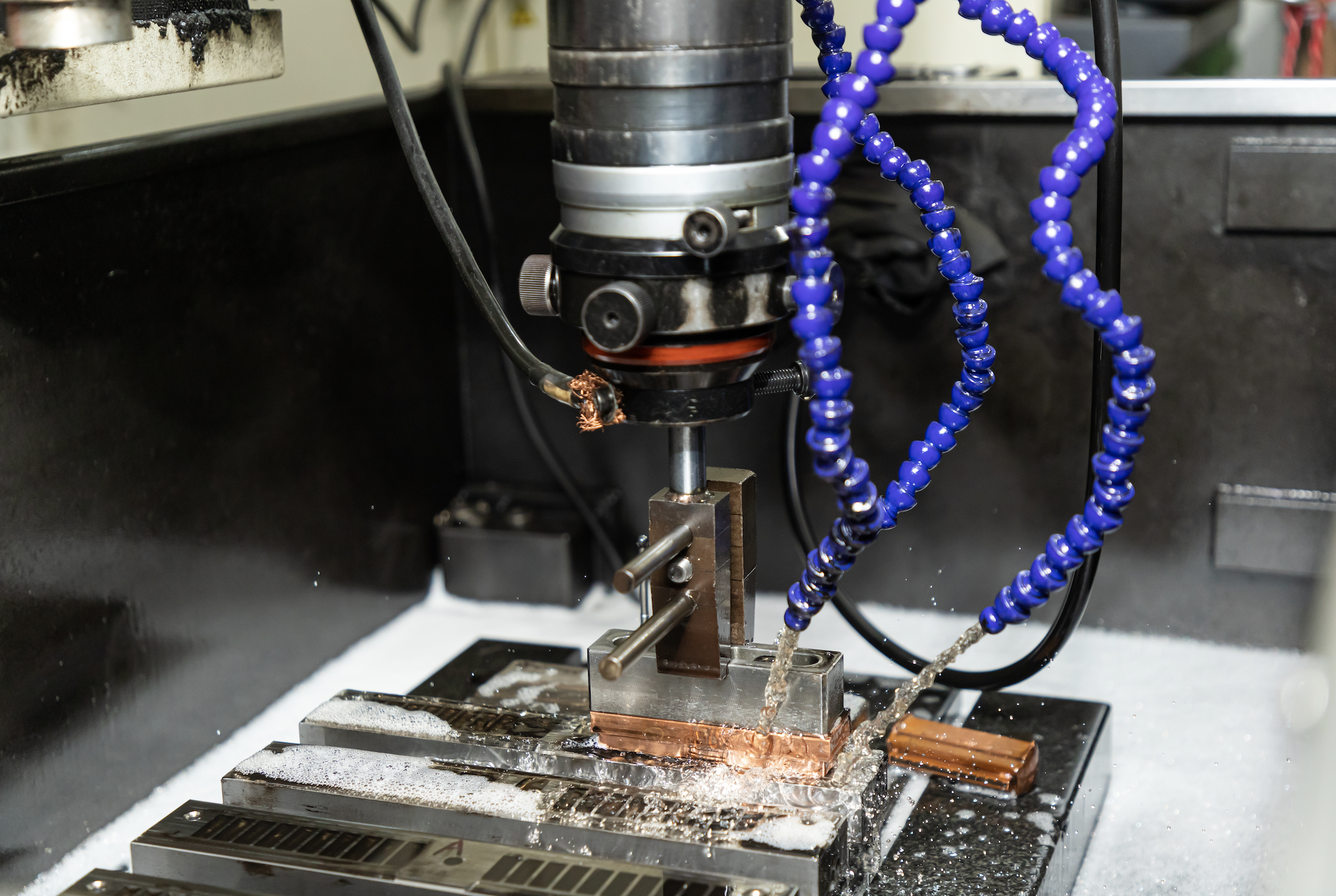
Tooling changes are implemented using controlled machining processes such as CNC plastic machining and in-house mold making, with careful attention to critical features such as parting lines, draft angles, and cavity geometry to avoid introducing new defects.
Trial runs and version update (T1, T2)
After modification, new trial runs are conducted to establish updated processing conditions, during which parameters such as injection pressure curves, gate freeze timing, and cooling profiles are refined, and the tooling is assigned a new revision status to reflect its validated configuration.
Customer approval and release to production
Validated samples are submitted for customer approval, and once accepted, the updated version is formally released into production, ensuring that all manufacturing and quality systems reference the same approved state.
Types of tooling revisions in injection molding
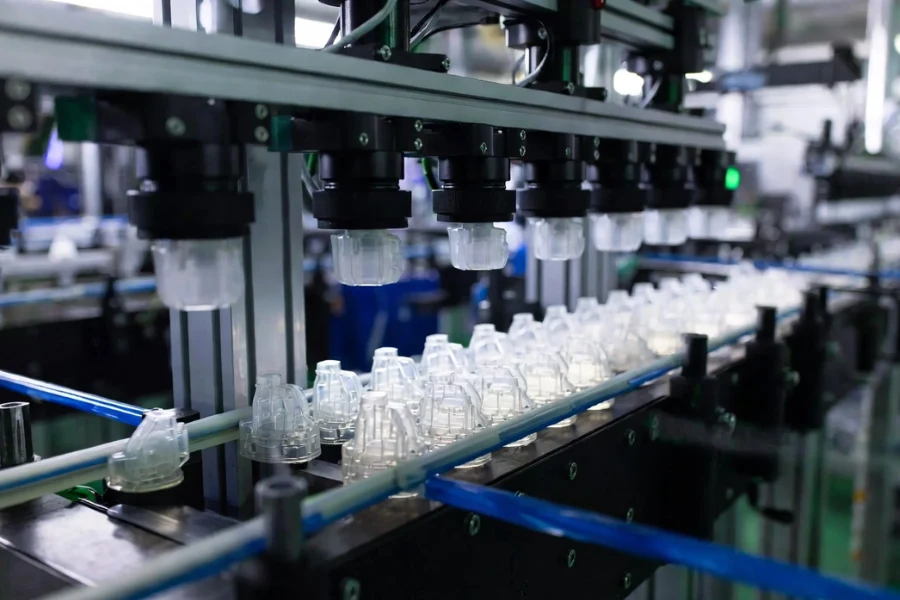
Additive tooling modifications
Additive revisions involve introducing material into the mold through welding or insert addition, followed by precision machining to restore dimensional accuracy while maintaining surface integrity and functional performance.
Subtractive tooling modifications
Subtractive changes remove material using CNC machining, EDM, or wire cutting, often combined with finishing adjustments such as polishing or texture modification to achieve the required surface and dimensional characteristics.
Typical revision scenarios
Typical tooling changes include adjusting hole locations, modifying boss height or rib structures to improve strength and reduce shrinkage, refining edges to eliminate gaps, expanding cosmetic surfaces, adding logos, and optimizing draft angles or parting lines to improve demolding consistency.
When tooling must be rebuilt
When design changes significantly alter part geometry, cavity layout, or ejection mechanisms, the existing mold may no longer be suitable, and a new tooling system may be required, sometimes reusing only the mold base while replacing all functional components.
How suppliers evaluate cost, timeline, and risk of changes
Key evaluation factors
Suppliers assess each change based on its combined impact on cost, lead time, and product quality, providing a structured analysis that supports informed decision-making while minimizing downstream disruption.
Typical cost structure of tooling changes
Costs typically include machining time for CNC or EDM operations, material expenses for welding or inserts, additional trial runs with associated material consumption, and indirect losses such as machine downtime or production rescheduling.
Decision rules for tooling revision vs new mold
A widely applied guideline is to compare revision cost against new tooling investment, and when modification costs approach half of the original tooling value or when mold wear limits its remaining life, rebuilding the mold often becomes the more stable long-term solution.
Budget planning for engineering changes
To reduce uncertainty, some projects incorporate predefined change allowances or engineering adjustment budgets during the quotation phase, allowing controlled flexibility without compromising overall project economics.
Best practices to minimize engineering changes
Early validation beyond prototyping
Because additive prototypes do not fully represent molding behavior, early validation using soft tooling or rapid 3D prototype printing provides more reliable insight into shrinkage, deformation, and assembly performance.
Soft tooling before design freeze
Soft tooling enables rapid iteration and lower-cost adjustments during development, allowing design refinement before transitioning to hardened molds for long-term production.
DFM and Moldflow before hard tooling
Comprehensive upfront analysis helps identify potential risks related to flow imbalance, weld lines, and cooling inefficiencies, reducing the likelihood of downstream modifications.
Joint review during trial stages
Close collaboration during early trial phases allows engineering teams to identify functional or assembly issues under real conditions, preventing late-stage design changes that are more difficult to implement.
Clear design freeze milestones
Establishing defined design freeze points ensures that all stakeholders understand when changes become controlled and subject to cost and schedule implications. SeaSkyMedical often supports early-stage DFM evaluation and prototyping, helping reduce tooling revision risk by addressing manufacturability challenges before production begins.
Post-change validation and process control alignment
Redefining process windows using DOE
After tooling changes, suppliers redefine the acceptable process window through controlled experimentation, ensuring that temperature, pressure, and timing conditions produce stable and repeatable results.
Recalculating process capability (CpK)
Critical dimensions are reassessed through capability analysis to confirm that the updated process consistently meets tolerance requirements across production cycles.
First article inspection and comparison
Initial production samples are compared against previously approved references, verifying dimensional compatibility, functional performance, and interchangeability.
Updating SOP and control plans
All updated process parameters and inspection requirements are incorporated into standardized procedures, ensuring consistent execution across production teams.
Real-time monitoring after changes
Enhanced monitoring using cavity pressure sensors and multivariate analysis allows early detection of process drift, particularly during the initial production phase following a change.
Updated components may also require coordinated secondary operations such as medical device assembly or medical device packaging to maintain consistency across the full manufacturing workflow.
Version control and traceability systems in injection molding
Versioning structure for molds and documents
Version control systems assign revision identifiers to tooling and associated documentation, ensuring that each iteration of design files, machining programs, and validation reports is independently tracked while maintaining continuity.
Physical identification on tooling
Molds are marked with revision identifiers to prevent confusion during production, ensuring that the correct version is consistently used.
Engineering change logs and documentation
Detailed change logs record the origin, rationale, implementation details, cost impact, timeline, validation outcomes, and approval status of each modification, forming a complete engineering history.
BOM and lifecycle integration
Version data is integrated into the product’s bill of materials, ensuring that procurement, manufacturing, and downstream OEM medical components production all reference the correct configuration.
Dual record keeping between supplier and customer
Both supplier and customer maintain synchronized records, enabling traceability, audit readiness, and long-term lifecycle tracking.
How automation improves change control efficiency
Quick mold change systems (SMED)
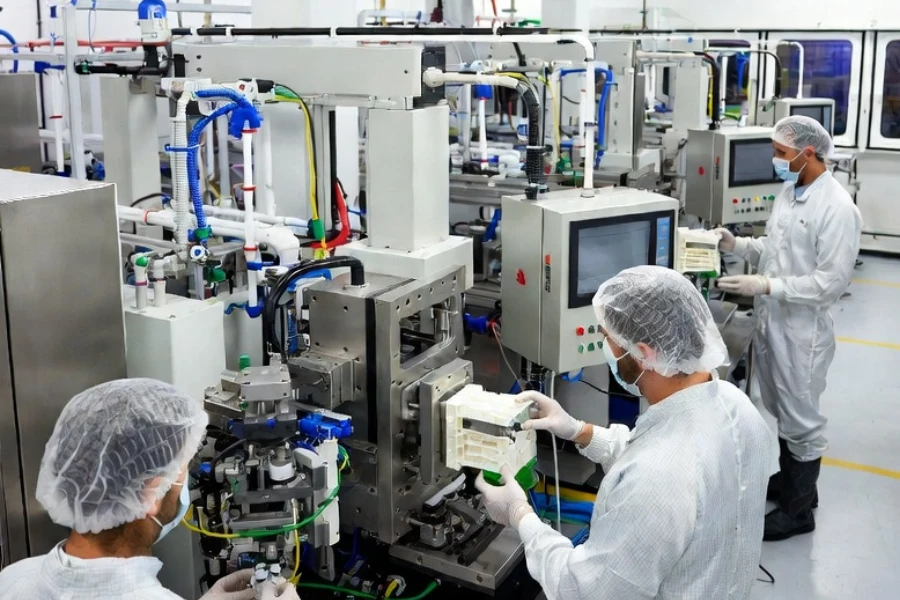
Quick changeover systems reduce downtime between production runs, enabling efficient handling of multiple product versions and minimizing disruption caused by tooling changes.
Process monitoring and alarm systems
Automated systems continuously monitor process parameters and generate alerts when deviations occur, allowing immediate corrective action.
Cavity pressure sensing and real-time validation
Embedded sensors provide real-time insight into cavity conditions, enabling faster validation of process adjustments following changes.
Integration with ERP and PLM systems
Data integration ensures that version control information is consistently reflected across production planning, inventory management, and lifecycle tracking systems, including workflows involving custom plastic molding.
Predictive maintenance for tooling
Long-term data analysis supports predictive maintenance strategies, helping identify when tooling adjustments are needed before failures occur.
Why change control is more critical in medical injection molding
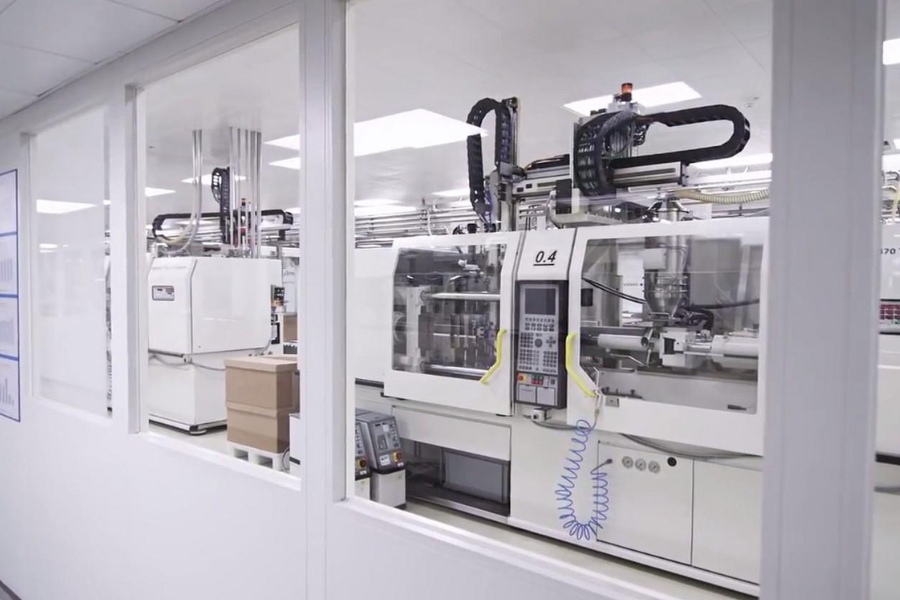
In medical injection molding, change control requirements are stricter due to the need for full traceability, controlled environments, and validated manufacturing processes. Even small changes can affect product performance, sterility, or regulatory compliance, requiring careful evaluation and documentation.
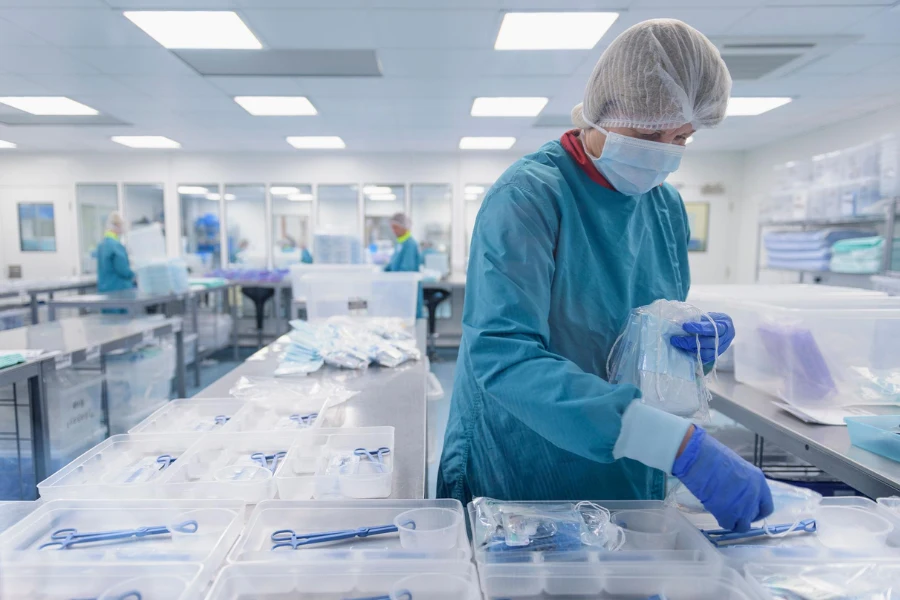
Cleanroom production, such as cleanroom injection molding, introduces additional constraints, as process changes may influence contamination risk and must be verified under controlled conditions. This is particularly important for precision applications such as micro injection molding and medical insert molding.
SeaSkyMedical operates within ISO-controlled manufacturing environments, where change control and versioning are tightly managed to support traceability, compliance, and consistent product quality.
Conclusion
Changes in injection molding are inevitable as products evolve, but the ability to control those changes determines the reliability of the manufacturing process. A structured change control workflow combined with a robust versioning system allows suppliers to manage complexity, maintain consistency, and ensure full traceability across the product lifecycle.
By integrating engineering validation, controlled tooling modification, process requalification, and comprehensive documentation, injection molding suppliers can deliver stable production outcomes even in highly regulated industries.
For more information on controlled medical injection molding processes, contact SeaSkyMedical.