Why Attend Chinese Trade Shows to Source Medical Injection Mold Factories?
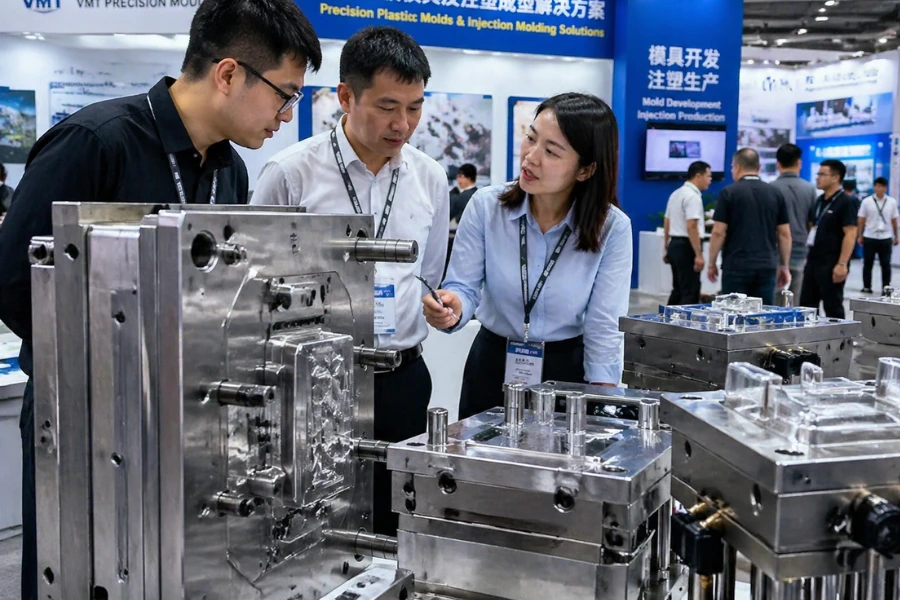
China has become a dominant force in the global injection molding industry, producing roughly forty percent of all molds, with industrial clusters concentrated in Guangdong, Zhejiang, and Jiangsu provinces. For companies seeking medical-grade injection molds or custom medical components, this density provides cost advantages, faster production timelines, and a fully integrated supply chain that encompasses mold making capabilities, hot-runner systems, specialty resins, post-processing, and assembly within a single region, which is particularly beneficial for projects requiring strict compliance and traceability. Medical molds must adhere to rigorous standards, including ISO 13485 certification, cleanroom manufacturing, and biocompatible materials that meet USP Class VI requirements, all of which Chinese manufacturers in Shenzhen and Suzhou are experienced in delivering for export to regulated markets. Attending trade exhibitions allows buyers to meet multiple factories in a concentrated timeframe, inspect prototypes firsthand, and evaluate technical expertise and communication capabilities, providing a more reliable assessment than solely online sourcing while enabling immediate arrangements for on-site visits in surrounding industrial clusters. SeaSkyMedical provides medical device contract manufacturing support to streamline sourcing and ensure compliance at every stage.
Pre-Show Preparation – Defining Requirements and Compiling Documentation
Prior to the exhibition, clearly define the technical specifications of your medical components, including final application—ranging from surgical instrument handles to diagnostic housings, implantable-related parts, or single-use consumables—as these factors directly influence mold tolerances, steel selection, and cleanroom requirements. Estimating annual production volume helps determine mold longevity, for example, softer P20 steel may accommodate 300,000 to 500,000 shots, whereas H13 or S136 steels are designed for over a million cycles. Specify polymer type and grade, such as medical-grade ABS, TPE injection molding, TPU injection molding, or LSR injection molding, and provide supporting biocompatibility documentation, alongside 2D drawings and 3D CAD files that include key dimensions, geometric tolerances, surface finishes, gate positions, and draft angles. A comprehensive RFQ package should include all design files, material specifications, expected order quantities, quality standards including FAI reports and Cp/Cpk data, and optionally target price ranges and lead times. Choosing the right trade show is equally important; CMEF, Chinaplas, and the Canton Fair feature dedicated medical or mold sections, and pre-event research should highlight exhibitors with ISO 13485 compliance or explicit experience in medical plastic injection molding, allowing for efficient on-site evaluation using a structured checklist. For early-stage design concepts, 3D prototype printing can help communicate product requirements effectively.
On-Site Evaluation – Rapidly Screening Qualified Suppliers
Identifying Genuine Factories versus Intermediaries
During the exhibition, prioritize suppliers operating their own facilities rather than intermediaries, and confirm their willingness to host on-site or post-show factory visits. Observing equipment photos, mold samples, and trial videos provides immediate insight into capabilities, while requesting business licenses, factory frontage images, and a full list of machinery helps distinguish authentic manufacturers.
Validating Medical Credentials and Certifications
Verify ISO 13485 certification validity, inquire about previous projects, and request photographs or physical samples of analogous components, ensuring that the supplier has demonstrable experience delivering FDA-registered or CE-compliant parts with full documentation.
Assessing Technical Competence
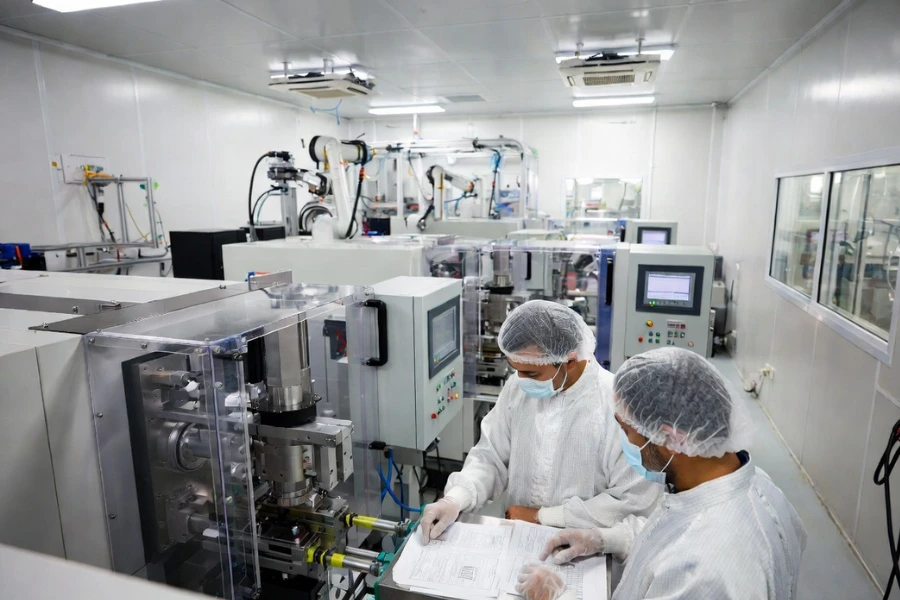
Probe achievable mold tolerances and measurement methods, including CMM usage, and review recommendations for steel selection and expected mold life. Assess capabilities for multi-cavity molds, hot-runner systems, micro-injection (micro injection molding), overmolding or insert molding (medical insert molding), alongside cleanroom injection molding in ISO 7 or 8 environments with injection machines correctly placed within controlled zones.
Evaluating Communication and Project Management
Effective communication is essential; confirm that English-proficient engineers or project managers are assigned, evaluate response speed, and verify structured project tracking. Delays or unclear answers during the exhibition may indicate potential challenges post-engagement.
Watching for Red Flags
Be cautious of expired or missing certifications, unusually low quotes, vague responses about material traceability, exhibits showing only consumer products unrelated to medical components, or reluctance to sign NDAs or provide client references.
Post-Show Follow-Up – Detailed Evaluation and Sample Validation
Following the exhibition, issue a formal RFQ requesting a breakdown of mold costs including steel type, cavity count, and hot-runner system, as well as unit pricing across volume tiers, trial mold counts, and packaging and transportation terms. Payment milestones should be structured, commonly involving 40–50% deposit, 0–20% upon design approval or steel cutting, 30–40% post-T1 sample approval, and 5–10% retention until mass production approval. Request DFM reports analyzing gating, draft angles, cleanability, and material flow for thin-walled sections, and review anonymized historical DFM examples where available. Factory visits—either on-site or virtual—should focus on CNC plastic machining, mold workshops, inspection labs, injection floors, cleanrooms, and mold storage with anti-corrosion and environmental control measures. Validate T1 samples against design specifications and functional requirements before approving production, and ensure IP protection through contracts assigning mold ownership, confidentiality agreements, and secure storage; consider early patent registration in China if the design is patentable. SeaSkyMedical provides end-to-end support for medical device contract manufacturing and medical device assembly to streamline sourcing and ensure compliance at every stage.
Cost Composition and Negotiation Considerations
Medical mold costs in China vary based on complexity: simple single-cavity molds range from $2,000 to $5,000, medium complexity molds from $5,000 to $15,000, high-precision multi-cavity molds $15,000 to $50,000+, and large, complex molds for imaging devices can exceed $50,000. Key cost drivers include steel type (S136 stainless is more expensive than P20 but corrosion-resistant and easily cleaned), cavity count, precision requirements (tight tolerances increase machining time by 30–50%), surface finishing, and verification documentation. For a comprehensive budget, calculate total landed cost including mold amortization, part pricing, packaging (medical device packaging), logistics, duties, and third-party inspections. During negotiation, confirm included trial runs, additional modification charges, and how projected increases in annual production might affect mold design and pricing.
Risk Management and Quality Control
Implement multi-tiered quality checks, including third-party inspections for in-process and pre-shipment verification, ensuring each batch includes COA and dimensional inspection reports. Establish quality control checkpoints from incoming mold steel, processing inspections, T1 sample full-dimensional reports, trial process capability analysis, to randomized mass-production sampling. Address communication and cultural differences by codifying all technical specifications, acceptance criteria, and change procedures in contracts, using video conferencing, shared folders, and version control for drawings. Mitigate logistics and packaging risks by employing anti-corrosion, moisture-proof packaging, vacuum bags with desiccants, and fumigated wooden crates. Protect intellectual property through bilingual NDAs and clear mold ownership clauses, retaining core design data while providing only necessary integration files to the factory. SeaSkyMedical also offers secondary operations and free mold tool design support to optimize production efficiency.
Frequently Asked Questions (Medical Injection Molds + Chinese Trade Shows)
Q1: Which exhibition areas should I prioritize for medical molds?
Focus on CMEF’s “Medical Device Accessories/Molds” section, Chinaplas’ “Medical Plastics” area, and Canton Fair Phase One “Tools & Molds” zone; pre-download exhibitor lists and identify ISO 13485-compliant companies.
Q2: How can I quickly verify a supplier’s medical mold capability?
Ask for ISO 13485 certification, provide medical component samples or case photos, and request material traceability and FAI reports; be cautious if answers are vague or no samples are shown.
Q3: What does a medical mold quote typically include and what hidden costs should I watch for?
Standard quotes cover mold steel, machining, hot-runner systems, DFM, and 1–2 trial runs; hidden costs may include ECOs, extra trial runs, surface finishing, or mold spare parts.
Q4: Can factories without cleanrooms produce medical molds?
Low-risk, non-sterile Class I parts may be acceptable, but most medical devices require ISO 7 or 8 cleanroom processing; inquire about cleanroom class and real-time particle monitoring.
Q5: How soon should I expect quotes and DFM after the exhibition?
Professional factories typically respond with initial quotes and DFM feedback within 3–7 working days of receiving full 3D/2D files; delays over two weeks indicate potential lack of focus or capability.
Q6: Can I attend the trade show with only a product concept instead of finalized drawings?
While possible, efficiency is low; providing sketches, reference photos, key dimensions, and material requirements improves on-site evaluation. Basic 3D files allow factories to give more accurate feedback.
Q7: How to verify the authenticity of medical mold steel?
Request mill certificates or invoices specifying brands like Assab, Bohler, or Daido, and include contract clauses requiring replacement and compensation if steel does not match specifications.
Q8: What if post-selection, the factory fails to meet quality standards?
Include acceptance criteria referencing 2D drawings and samples in contracts, retain 10% payment until first production batch passes inspection, and consider third-party testing for verification and rework processes.