Introduction / Why Traceability Matters
Material traceability in medical manufacturing is a critical capability that extends beyond regulatory compliance. It ensures patient safety, protects brand reputation, mitigates risk, and strengthens operational oversight across the product lifecycle. A robust traceability system allows manufacturers to track materials, components, and finished devices from receipt to production, distribution, and end use, enabling quick identification and containment of quality issues. Integrating Medical Device Contract Manufacturing services helps ensure traceability is maintained across all production stages.
Regulatory and Compliance Requirements
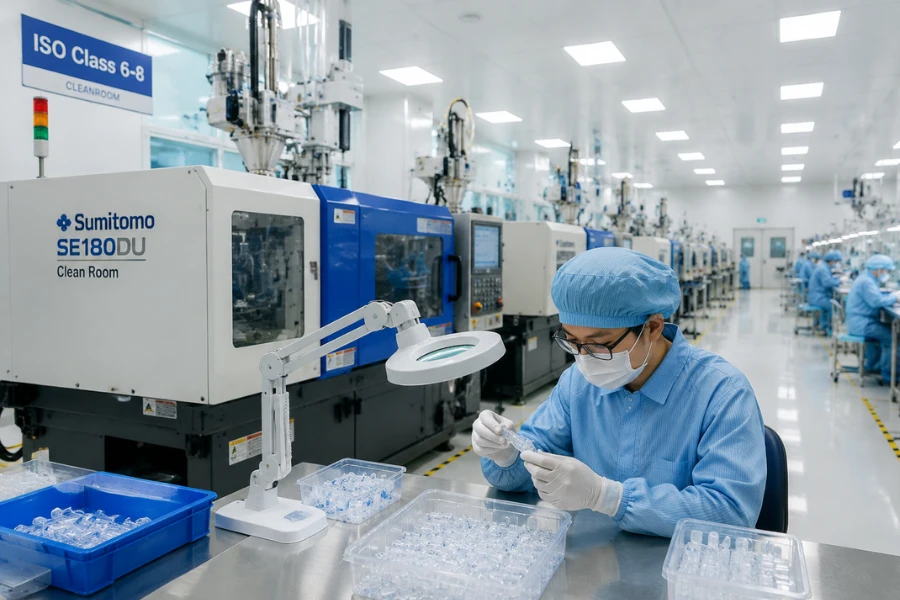
Medical device traceability is mandated across all major markets. Regulatory bodies such as the FDA, EU MDR, IVDR, and NMPA require manufacturers to demonstrate product control and visibility throughout the supply chain. ISO 13485 further requires documented processes for identification, status, and traceability. Unique Device Identification (UDI) regulations emphasize consistent identification at the device and production levels. A structured traceability system simplifies compliance and audit readiness.
Core Elements of a Material Traceability System
Identification Framework
Traceability begins with unique identification at multiple levels:
- Product Level: Implementation of UDI with Device Identifiers (DI) and Production Identifiers (PI).
- Packaging Level: Consistent linkage between unit, carton, and case identifiers, often coordinated with Medical Device Packaging.
- Component and Raw Material Level: Batch or lot identification for critical materials affecting device safety and performance, including TPE, ABS, and Nylon components tracked via Material Selection – TPE Injection Molding, ABS Plastic Molding, and Nylon Injection Molding.
Data Collection
Accurate and consistent data capture is essential throughout the product lifecycle:
- Incoming Materials: Supplier info, lot numbers, expiration dates, inspection results.
- Production Records: Batch numbers, equipment settings, operator info, environmental conditions, often incorporating CNC Plastic Machining for precision components.
- Inspection and Testing: In-process checks, final inspection data, retained samples.
- Storage and Distribution: Warehouse locations, storage conditions, transportation records, shipment history. Integration with Medical Device Assembly ensures assembly-level traceability.
Documentation Standards
Standardized documentation ensures data integrity, traceability, and audit readiness across all stages. Leveraging Product Development workflows helps align traceability records with development requirements.
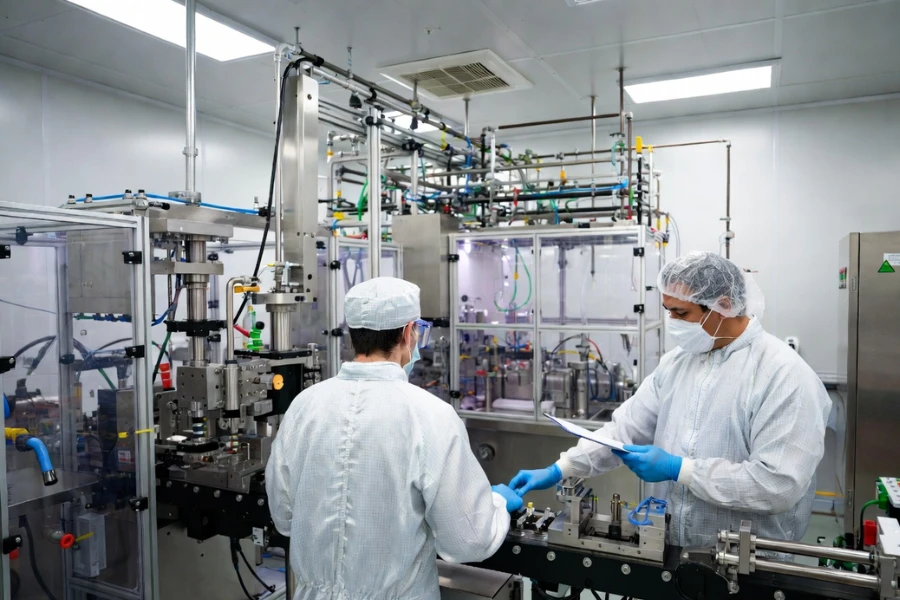
Designing and Implementing Traceability Systems
Scope and Depth
Not all products require the same traceability level. Define which products need tracking, whether batch or unit-level monitoring is necessary, and which process steps or materials are critical.
Coding Rules
Traceability codes must be unique, stable, and readable throughout the product lifecycle. They should align with regulatory requirements and support operational needs, including scanning system compatibility and long-term data retention.
Technology Selection
Select technology that balances accuracy, scalability, and integration. Common solutions include barcodes, QR codes, and RFID systems, integrated with ERP, MES, or WMS platforms for a connected workflow rather than isolated data silos. Prototype validation can benefit from 3D Prototype Printing to ensure early traceability alignment.
Process Alignment
Traceability effectiveness depends on well-defined processes. Review and update work instructions, material flow, and information handoffs to align with traceability requirements. Define exception handling procedures to address deviations consistently, supported by Mold Making best practices when relevant.
Operational Best Practices
Hardware Deployment
Install data collection points strategically across production lines, inspection areas, and warehouses, including scanners, mobile terminals, and automated devices to reduce manual input errors. Packaging integration can utilize Medical Device Packaging systems.
Software Integration
Configure traceability software to reflect actual workflows and integrate with enterprise systems. Implement user access controls, role-based permissions, and intuitive interfaces to maintain data integrity and encourage adoption. Connecting with Medical Plastic Injection Molding / Cleanroom Injection Molding processes ensures complete digital tracking.
Process Alignment
Ensure work instructions, material flows, and information handoffs are consistent with traceability objectives. Document exception handling and recall procedures to enable fast, consistent responses. Integration with Material Selection / TPU, TPR, PET, LSR Injection Molding capabilities enhances upstream traceability.
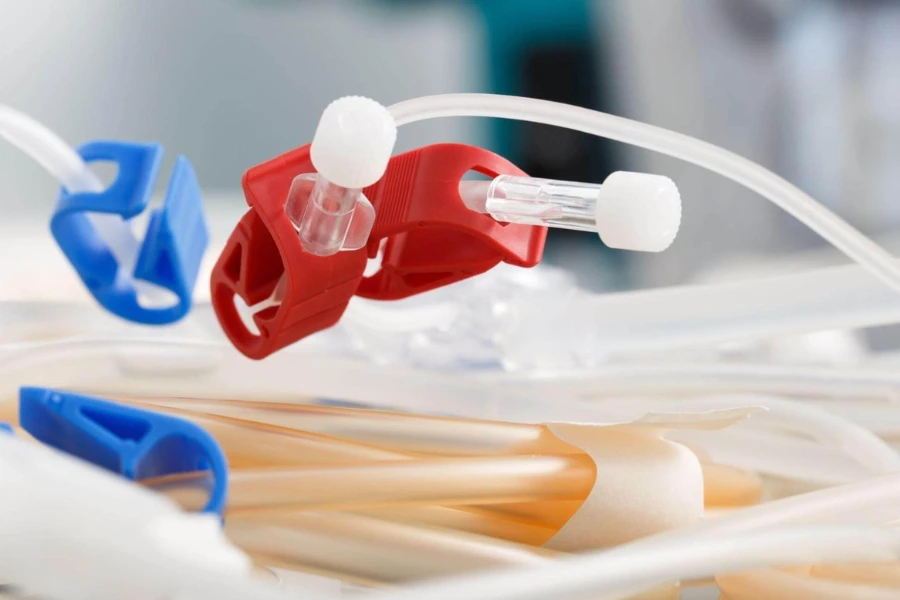
Sustaining Traceability
- Ownership and Accountability: Assign a traceability leader and cross-functional team to ensure consistency.
- Controlled Documentation and Records: Standardize record completion, retention, and archiving according to regulatory requirements.
- Training and Quality Awareness: Regularly train staff on both data capture procedures and the importance of traceability.
- Audits and Recall Simulations: Conduct routine audits and mock recalls to validate system effectiveness and identify improvement areas. Integration with OEM Medical Components supports traceability at supplier and subcomponent level.
Benefits of Effective Traceability
A well-designed traceability system provides:
- Regulatory Compliance: Simplifies audits and meets global standards.
- Risk Reduction & Patient Safety: Enables rapid identification and containment of defective lots.
- Operational Efficiency: Improves supply chain transparency, inventory management, and production planning.
- Long-term Value: Supports continuous quality improvement and strengthens OEM partnerships. Utilizing Material Selection / TPE, TPU, PET, LSR Injection Molding ensures consistent quality from raw materials through finished devices.
Conclusion / Key Takeaways
Material traceability is an ongoing organizational commitment. From raw materials to finished devices, a comprehensive system ensures regulatory compliance, operational efficiency, and patient safety. Integrating robust identification, data capture, technology, and process alignment, alongside Custom Plastic Molding and 2K Injection Molding capabilities, enables manufacturers to maintain control, transparency, and rapid response capabilities across the medical manufacturing lifecycle.