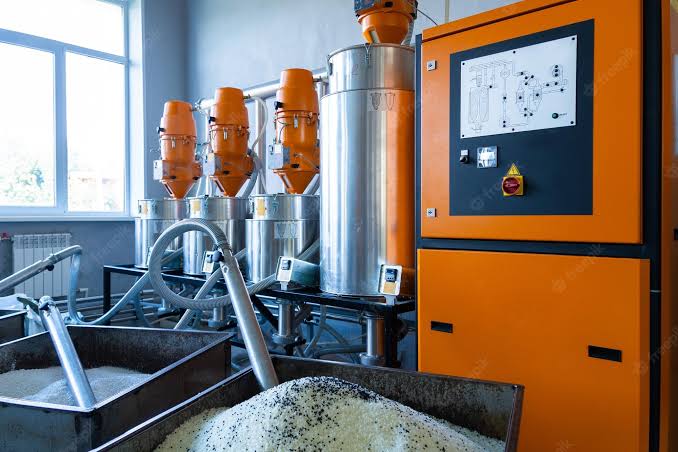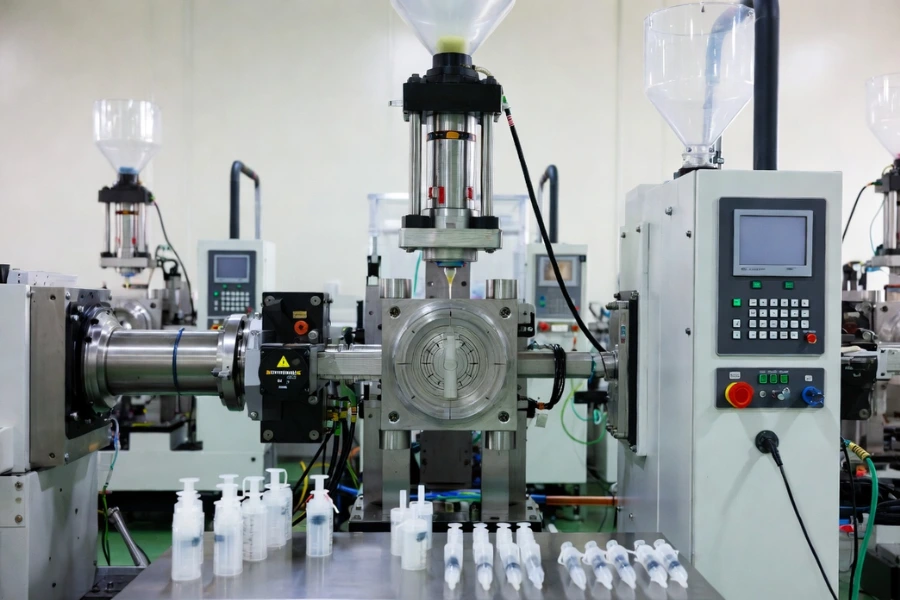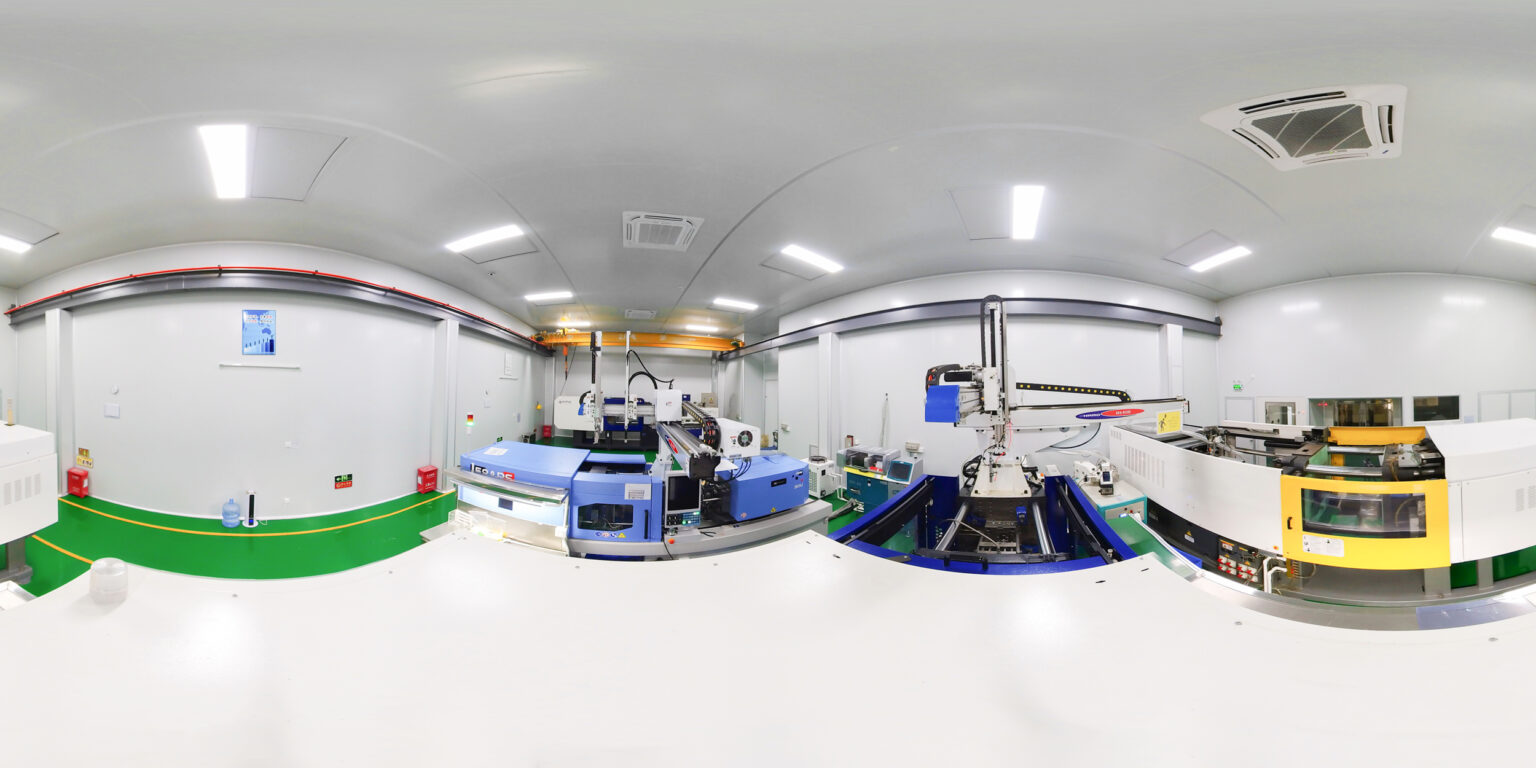
Medical injection molding companies today extend beyond the fundamental task of shaping thermoplastics, offering a suite of secondary services that significantly enhance product reliability, manufacturability, and regulatory compliance. For medical device manufacturers, where precision, material integrity, and process repeatability are non-negotiable, these secondary services provide measurable value by optimizing production cycles, mitigating risks, and supporting quality assurance frameworks. Companies that integrate these advanced services not only accelerate time-to-market but also reinforce confidence that each component meets the stringent requirements of the healthcare industry.
Introduction: Beyond Standard Injection Molding
Secondary services in medical injection molding encompass a range of operations that supplement the core molding process, ensuring components meet functional and regulatory specifications. As detailed in Plastic Molding and Mold Design, precision injection molding requires exacting control over mold temperature, wall thickness, and flow dynamics to achieve components with consistent dimensional tolerances and structural integrity. Companies that embed these principles into secondary services can improve defect rates, enhance manufacturability, and provide clients with solutions that are fully compatible with ISO 13485 and FDA standards. By offering services such as mold optimization, embedded component integration, assembly, and defect analysis, these providers deliver a level of technical support that is essential for medical device success.
Mold Optimization and Maintenance
Mold Adjustment and Defect Prevention
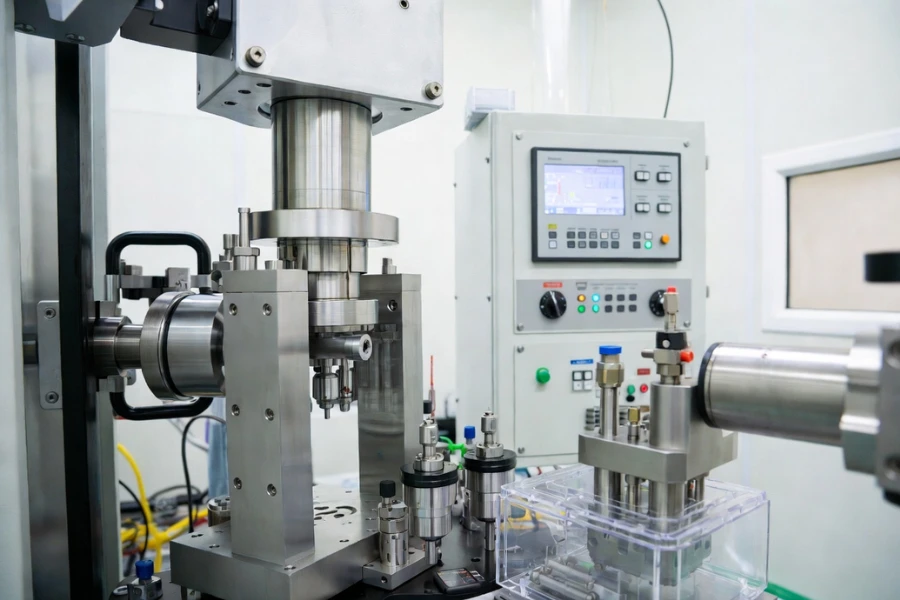
A central aspect of secondary services is mold optimization, which includes analyzing and correcting potential production defects before large-scale manufacturing. Referencing the technical guidance in the book, companies address common defects such as sink marks, warpage, and short shots by modifying mold design, adjusting gate locations, and fine-tuning cooling systems. For example, optimizing the mold’s flow path to maintain uniform wall thickness can reduce shrinkage by up to 25%, while strategic gate placement minimizes weld lines that could compromise structural integrity. These interventions ensure that every molded component adheres to the precise dimensional tolerances required for medical applications.
In-House Mold Maintenance
Performing mold maintenance internally allows companies to implement rapid adjustments in response to material variability or process drift, thereby reducing downtime and avoiding the delays associated with external suppliers. For specialized or high-complexity tasks that exceed internal capabilities, vetted partners are utilized to maintain consistent quality standards, ensuring continuity in both prototype and production phases.
Embedded Component and Overmolding Services
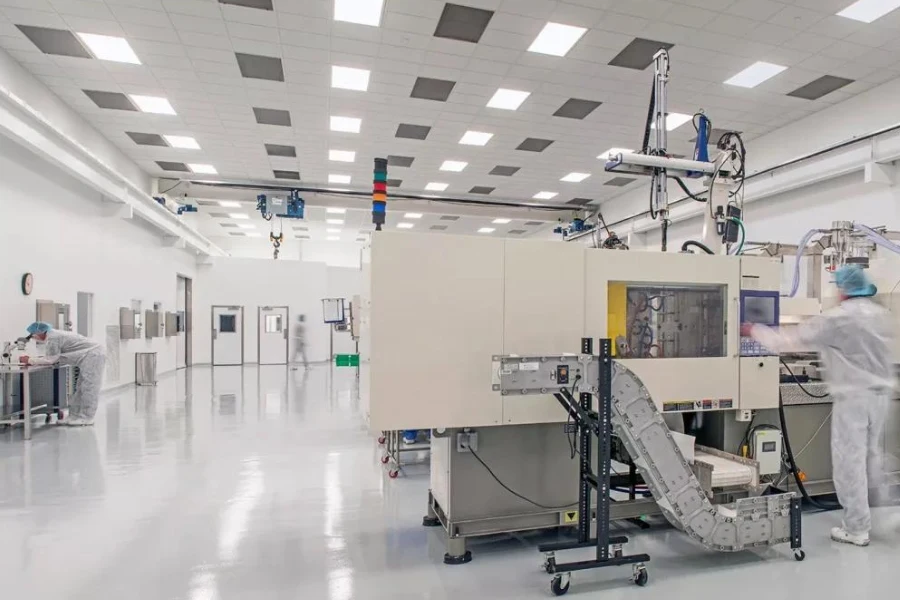
Metal-Insert and Plastic Overmolding
Embedded component integration and overmolding are essential for medical devices requiring multi-material integration. Following the book’s guidance, ensuring uniform wall thickness around embedded elements prevents stress concentration, maintains mechanical strength, and supports dimensional stability through sterilization cycles. For instance, metal inserts for catheter connectors or implantable devices are precisely aligned and encapsulated with overmolded polymer layers to meet functional and regulatory criteria. Advanced techniques such as 2K injection molding allow for precise multi-material assemblies.
Precision Alignment and Fit
Accurate alignment and tight tolerance control are paramount, particularly in complex assemblies. Advanced fixturing, in-process monitoring, and precision mold calibration allow manufacturers to achieve consistent fit and function, reducing rework rates by up to 30% and improving overall yield.
Assembly and Bonding Services
Plastic Parts Assembly
Secondary assembly services consolidate multiple molded parts into functional subassemblies, either through manual techniques or precision pneumatic presses. These operations facilitate downstream integration and accelerate production timelines by delivering pre-assembled modules ready for further processing or final product integration.
Ultrasonic and Sonic Welding
Ultrasonic or sonic welding provides a high-strength, solvent-free method for joining two or more plastic parts. This technique allows for reliable bonding between dissimilar polymers while maintaining surface integrity, critical for components subjected to repeated mechanical stress or stringent sterilization protocols.
Surface Finishing and Branding
Pad Printing and Custom Markings
Surface customization, including pad printing or laser marking, enables manufacturers to add batch codes, instructional symbols, or logos directly onto molded parts. Automated precision systems ensure repeatable accuracy and maintain legibility over repeated sterilization cycles, supporting traceability and compliance.
Surface Defect Correction
Secondary services also encompass the remediation of surface imperfections such as flow lines, flash, or burn marks. Corrective finishing ensures that both aesthetic and functional quality requirements are met, delivering components that satisfy client expectations and regulatory standards. These services can be found as part of secondary operation offerings.
Quality Verification and Process Support
Tolerance Verification
Dimensional inspection and tolerance verification confirm that molded parts conform to design specifications, including critical features such as wall thickness, gate position, and hole diameters. Advanced metrology equipment, including coordinate measuring machines (CMMs), ensures reproducibility and regulatory compliance, linked here for process validation support.
Process Optimization Consulting
Engineering consultation services provide clients with guidance on design for manufacturability, material selection, and process parameters. These insights help medical device manufacturers optimize component performance while mitigating risks related to manufacturability, assembly, and post-processing.
Validation Support
Secondary services frequently extend to process validation, supporting ISO 13485 and FDA submissions. Documentation, test data, and statistical analysis provided by the injection molding company help clients meet regulatory expectations without incurring additional internal resource burdens. This aligns with OEM medical component support.
Conclusion: The Value of Secondary Services
Secondary services in medical injection molding are pivotal in ensuring components meet the exacting demands of the healthcare sector. From mold optimization and embedded feature integration to assembly, surface finishing, and validation support, these services enhance product quality, improve manufacturability, and reduce risk. Partnering with a technically capable provider like SeaSkyMedical allows medical device developers to accelerate product development, achieve consistent regulatory compliance, and leverage engineering expertise for complex or low-volume projects. Contact SeaSkyMedical to explore how our secondary services can support your next medical injection molding initiative with precision, reliability, and full technical guidance.
FAQ: Secondary Services in Medical Injection Molding
Q1: How do secondary services affect production timelines?
Secondary services like mold optimization, assembly, and defect correction can reduce prototyping and iteration cycles, enabling faster transition from design to production while maintaining regulatory compliance.
Q2: Can secondary services be applied to low-volume or prototype runs?
Yes, companies offering comprehensive secondary services often tailor processes for small-batch production, ensuring precise tolerances and high-quality outputs without compromising efficiency.
Q3: Are embedded components compatible with different polymer types?
Through overmolding and precision alignment, embedded features can integrate dissimilar materials while maintaining mechanical integrity and functional reliability, following strict design guidelines.
Q4: How do companies ensure quality during secondary operations?
Quality is maintained through in-process monitoring, dimensional inspection, and adherence to process parameters, often supported by ISO 13485 or FDA-compliant documentation.
Q5: Do secondary services include regulatory validation support?
Yes, secondary services may include process validation, statistical documentation, and testing support to meet FDA or ISO 13485 requirements, ensuring regulatory readiness.