Introduction

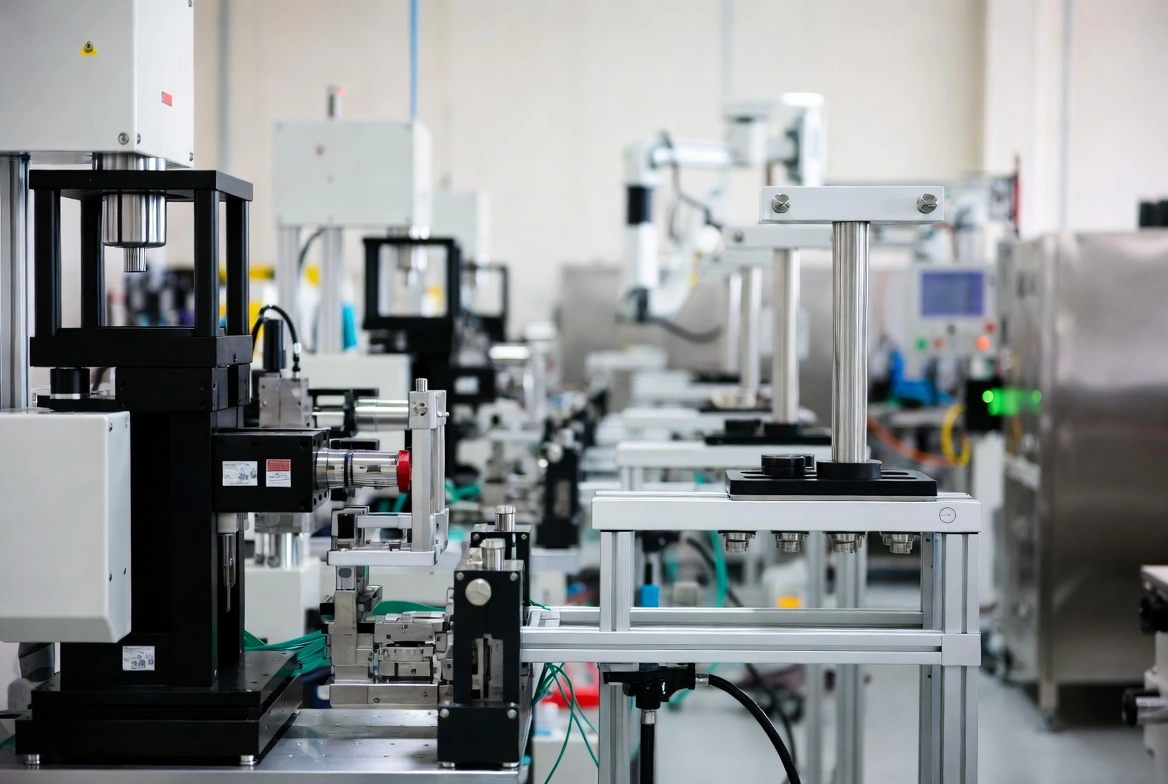
Design transfer is the stage where a medical device moves from engineering development into controlled manufacturing. Although it is often described as transferring design information from product development teams to production teams, successful design transfer requires much more than sharing drawings and specifications.
A complete design transfer process confirms that the device design can be manufactured consistently, that production processes are capable, and that quality requirements are clearly defined before commercial manufacturing begins.
For medical injection molded components, design transfer requires coordination between product engineers, tooling teams, quality departments, and manufacturing partners. Early collaboration with an experienced medical device contract manufacturing partner can help identify manufacturing risks before they affect tooling investment, validation timelines, or production scalability.
A well-structured design transfer checklist helps medical device companies verify that critical activities are completed, including design documentation review, DFM evaluation, tooling readiness, process validation preparation, and manufacturing control implementation.
What Is Medical Device Design Transfer?
Design transfer connects product development with manufacturing execution
Medical device design transfer is the controlled process of translating finalized design outputs into production specifications and manufacturing procedures.
Under medical device design control requirements, manufacturers must establish procedures to ensure that device designs are correctly transferred into production. The purpose is to confirm that commercial manufacturing can consistently produce devices that meet approved design requirements.
A successful design transfer establishes alignment between:
- Design inputs and design outputs
- Product specifications and manufacturing processes
- Engineering requirements and production capabilities
- Validation requirements and quality controls
Typical design transfer outputs include:
- Engineering drawings
- Product specifications
- Bill of Materials (BOM)
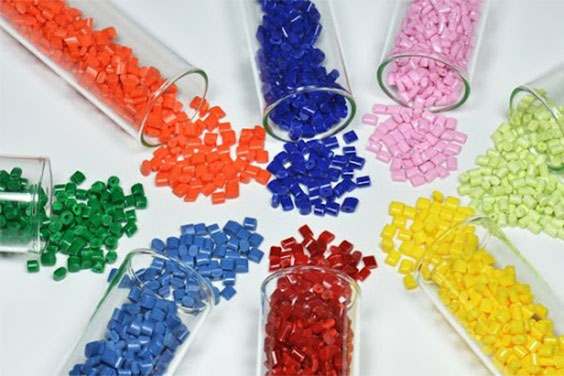
- Material requirements
- Manufacturing instructions
- Inspection procedures
- Packaging specifications
- Process validation requirements
The goal is to preserve design intent while creating a repeatable manufacturing process.
For medical injection molding projects, this process also requires reviewing manufacturing feasibility, tooling requirements, and process capability before production release.
Why Design Transfer Is Critical for Medical Injection Molding
Medical injection molding introduces additional manufacturing considerations because plastic components are highly influenced by material behavior, mold design, and process parameters.
A medical component may meet prototype requirements but still encounter production challenges after transfer into a manufacturing environment.
Common risks include:
- Dimensional variation caused by material shrinkage
- Warpage caused by uneven cooling
- Flash caused by unstable molding conditions
- Short shots caused by incomplete filling
- Cosmetic defects caused by gate or ejection design
For this reason, design transfer should include manufacturing reviews before tooling and production validation.
The transfer process should evaluate not only whether a part meets functional requirements, but also whether it can be produced reliably at the expected production volume.
Companies developing medical plastic components often need to evaluate injection molding capability, tooling strategy, and production requirements together through a structured medical plastic injection molding approach.
When Should Design Transfer Begin?
Design transfer should start before production validation
One common mistake is waiting until final validation activities before considering manufacturing requirements.
At that stage, tooling decisions may already be fixed and production assumptions may already be established. If manufacturing issues are discovered late, companies may face:
- Mold modifications
- Additional validation activities
- Production delays
- Increased development costs
Design transfer should begin during the design and development phase, when manufacturing engineers and suppliers can still influence important decisions.
Early involvement allows teams to evaluate:
- Material selection
- Part geometry
- Injection molding feasibility
- Tooling requirements
- Inspection methods
- Production risks
For medical device projects, early manufacturing input during medical device product development helps ensure that the final design can transition smoothly from prototype development to validated production.
Manufacturing teams should participate during design development
Product engineers usually focus on meeting clinical, functional, and performance requirements. However, manufacturing teams evaluate additional factors such as manufacturability, process capability, and long-term production stability.
A cross-functional design transfer team may include:
- Product engineers
- Manufacturing engineers
- Tooling engineers
- Quality engineers
- Regulatory specialists
- Contract manufacturing partners
This collaboration helps identify production limitations before they become expensive design changes.
Design Transfer Checklist: Product Design and Manufacturing Feasibility Review

Before tooling development begins, the product design should undergo a detailed manufacturing feasibility review.
The first step is confirming whether the product design can realistically be produced using the selected manufacturing process.
Product geometry review checklist
A detailed review of part geometry should include:
| Checklist Item | Manufacturing Review Focus |
|---|---|
| Part geometry | Confirm injection molding feasibility |
| Part size | Verify mold and machine capability |
| Wall thickness | Evaluate shrinkage, sink marks, and warpage risks |
| Critical dimensions | Confirm achievable production tolerances |
| Surface requirements | Review cosmetic and functional requirements |
| Complex features | Evaluate tooling complexity and production risks |
Product geometry directly affects mold structure, filling behavior, cooling performance, and dimensional stability.
Features that appear acceptable during design review may create manufacturing challenges if they require complex tooling actions or create inconsistent material flow.
Material selection and process compatibility review
Material selection is another essential design transfer checkpoint.
The review should confirm:
- Resin grade
- Material supplier information
- Color or transparency requirements
- Shrinkage characteristics
- Processing requirements
For medical devices, additional considerations may include:
- Sterilization compatibility
- Chemical resistance
- Biocompatibility requirements
- Long-term performance stability
The selected material must support both device performance and manufacturing consistency.
A resin that performs well during laboratory evaluation may still create production challenges if its processing window is narrow or its dimensional behavior is difficult to control.
For this reason, material selection should be evaluated together with molding requirements rather than treated as an isolated design decision.
DFM Checklist Before Tooling Release
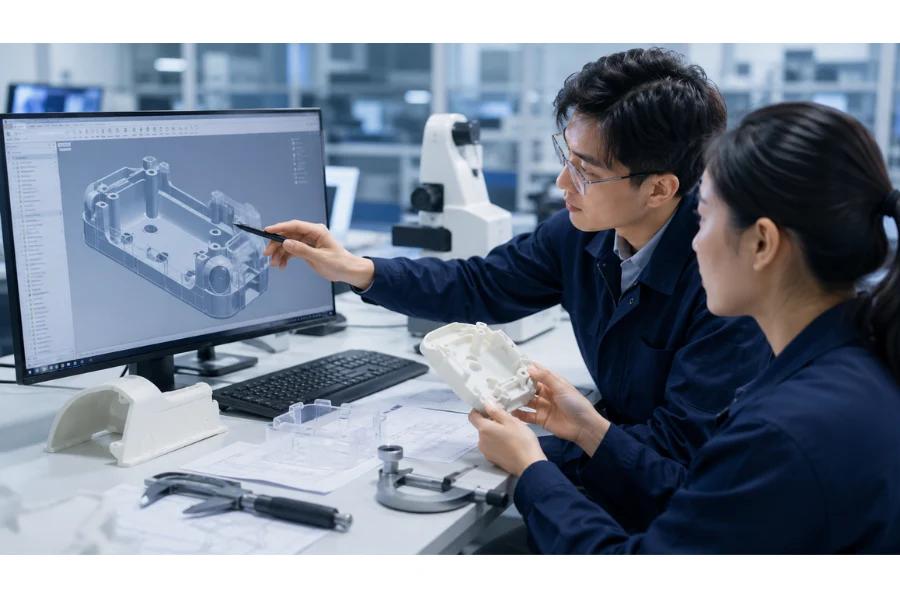
Design transfer should not begin with mold fabrication. Before tooling development starts, medical device manufacturers should confirm that the part design is suitable for injection molding and that potential manufacturing risks have been evaluated.
A Design for Manufacturability (DFM) review provides a structured method to identify design limitations before they become tooling modifications or production issues.
For medical injection molded components, DFM review should evaluate:
- Part geometry
- Material behavior
- Dimensional requirements
- Tooling feasibility
- Production risks
- Quality requirements
A complete DFM review reduces the possibility of discovering manufacturability issues after tooling investment has already been made.
Draft Angle Review
Draft angle is one of the fundamental requirements for reliable part ejection.
Insufficient draft can increase friction between the molded part and the mold surface, resulting in:
- Ejection damage
- Surface scratches
- Increased mold wear
- Longer cycle times
During design transfer review, engineers should confirm that draft angles are appropriate for:
- External surfaces
- Internal surfaces
- Textured areas
- Deep cavity features
Textured medical device housings usually require additional draft because surface texture increases contact resistance during ejection.
A design transfer checklist should include:
| Checklist Item | Review Purpose |
|---|---|
| External draft angle | Ensure smooth part release |
| Internal draft angle | Reduce core damage risk |
| Textured surface draft | Prevent surface defects |
| Deep features | Confirm demolding feasibility |
Wall Thickness and Cooling Considerations
Consistent wall thickness is critical for injection molded medical components because uneven thickness can create inconsistent cooling behavior.
Thick sections cool more slowly than thin sections, which may contribute to:
- Sink marks
- Internal stress
- Warpage
- Dimensional variation
During DFM review, engineers should verify:
- Wall thickness consistency
- Thick-to-thin transitions
- Cooling requirements
- Structural requirements
The objective is not always to minimize wall thickness. Medical components may require specific mechanical strength, stiffness, or fluid control performance.
Instead, the goal is to create a balanced design that supports both product performance and stable manufacturing conditions.
Radius and Sharp Corner Review
Sharp corners can create stress concentration areas and increase manufacturing difficulty.
Where functional requirements allow, rounded transitions should be considered because they can improve:
- Plastic flow
- Stress distribution
- Mold machining reliability
- Part durability
For medical components exposed to repeated mechanical loading, reducing stress concentration can improve long-term reliability.
Rib and Feature Design Review
Ribs are commonly used in medical plastic components to increase stiffness without significantly increasing overall wall thickness.
However, improper rib design may create cosmetic and dimensional issues.
The DFM review should evaluate:
| Feature | Review Focus |
|---|---|
| Rib thickness | Prevent sink marks |
| Rib height | Maintain structural performance |
| Rib connection area | Improve strength and filling behavior |
| Rib location | Avoid appearance issues |
A rib that is too thick may create sink marks on the opposite surface, while insufficient rib dimensions may not provide the required reinforcement.
Hole, Thread, and Insert Design Review
Medical devices often include complex features such as:
- Mounting holes
- Threads
- Metal inserts
- Reinforcement components
These features require careful evaluation before tooling release.
The checklist should confirm:
| Feature | Review Point |
|---|---|
| Holes | Core strength and demolding method |
| Threads | Release method and durability |
| Inserts | Positioning accuracy and retention |
| Embedded components | Plastic coverage and mechanical stability |
For components produced through medical insert molding, insert positioning is especially important because small location variations can affect assembly accuracy, mechanical performance, and product reliability.
Mold Design Transfer Checklist for Medical Injection Molding
After product design and DFM reviews are completed, the next step is confirming that the mold design can support repeatable production.
A production mold is not only a tool for creating parts. It directly influences:
- Dimensional control
- Defect rates
- Cycle time
- Process stability
- Validation results
Before mold fabrication or production release, tooling requirements should be reviewed systematically.
Companies often benefit from early collaboration with experienced mold tool design teams because tooling decisions made during this stage can affect the entire manufacturing lifecycle.
Mold Structure Review
The mold structure should be evaluated based on:
- Part geometry
- Production volume
- Material characteristics
- Quality requirements
A complete medical mold making review should confirm:
| Mold Design Element | Transfer Review |
|---|---|
| Parting line | Confirm location and appearance impact |
| Cavity layout | Verify production requirements |
| Core and cavity design | Ensure dimensional accuracy |
| Mold inserts | Confirm maintenance and replacement strategy |
| Mold strength | Prevent deformation during molding |
A mold designed only for initial sampling may not provide sufficient stability for long-term medical production.
Gate and Runner System Review
The gate and runner system controls how molten plastic enters and fills the cavity.
During design transfer, engineers should review:
- Gate location
- Material flow path
- Weld line location
- Filling balance
- Appearance requirements
Incorrect gate placement may affect:
- Cosmetic appearance
- Mechanical performance
- Dimensional stability
For medical components with strict functional requirements, gate location should be evaluated before tooling completion because later changes may require significant mold modifications.
Venting Review
Proper venting allows trapped air to escape during filling.
Insufficient venting may lead to:
- Short shots
- Burn marks
- Incomplete filling
- Material degradation
The design transfer checklist should verify that venting strategies have been considered, especially for:
- Thin-wall medical components
- Complex cavity structures
- Deep features
Cooling System Review
Cooling system design has a direct impact on production consistency.
A properly designed cooling system helps control:
- Cycle time
- Part shrinkage
- Dimensional stability
- Mold temperature distribution
The review should confirm:
☐ Cooling channels are appropriately positioned
☐ Heat concentration areas are evaluated
☐ Cooling performance is consistent across the cavity
For medical injection molding, stable cooling is especially important because dimensional variation can affect assembly fit, functional performance, and regulatory acceptance.
Ejection System Review
The ejection system must remove molded parts without damaging critical features.
The review should include:
- Ejector pin locations
- Ejection force distribution
- Risk of deformation
- Cosmetic impact
Incorrect ejection design can create:
- Ejector marks
- Stress whitening
- Part deformation
These issues may become quality concerns during production inspection and validation activities.
Why Tooling Decisions Matter During Design Transfer
Tooling decisions made during design transfer influence not only the first production samples but also long-term manufacturing performance.
A production-ready mold should support:
- Stable cycle time
- Repeatable dimensions
- Consistent material flow
- Predictable maintenance
- Scalable production
For this reason, mold design should be reviewed as part of the overall manufacturing transfer process rather than treated as a separate engineering activity.
DFM Checklist Before Tooling Release
Design transfer should not begin with mold fabrication. Before tooling development starts, medical device manufacturers should confirm that the part design is suitable for injection molding and that potential manufacturing risks have been evaluated.
A Design for Manufacturability (DFM) review provides a structured method to identify design limitations before they become tooling modifications or production issues.
For medical injection molded components, DFM review should evaluate:
- Part geometry
- Material behavior
- Dimensional requirements
- Tooling feasibility
- Production risks
- Quality requirements
A complete DFM review reduces the possibility of discovering manufacturability issues after tooling investment has already been made.
Draft Angle Review
Draft angle is one of the fundamental requirements for reliable part ejection.
Insufficient draft can increase friction between the molded part and the mold surface, resulting in:
- Ejection damage
- Surface scratches
- Increased mold wear
- Longer cycle times
During design transfer review, engineers should confirm that draft angles are appropriate for:
- External surfaces
- Internal surfaces
- Textured areas
- Deep cavity features
Textured medical device housings usually require additional draft because surface texture increases contact resistance during ejection.
A design transfer checklist should include:
| Checklist Item | Review Purpose |
|---|---|
| External draft angle | Ensure smooth part release |
| Internal draft angle | Reduce core damage risk |
| Textured surface draft | Prevent surface defects |
| Deep features | Confirm demolding feasibility |
Wall Thickness and Cooling Considerations
Consistent wall thickness is critical for injection molded medical components because uneven thickness can create inconsistent cooling behavior.
Thick sections cool more slowly than thin sections, which may contribute to:
- Sink marks
- Internal stress
- Warpage
- Dimensional variation
During DFM review, engineers should verify:
- Wall thickness consistency
- Thick-to-thin transitions
- Cooling requirements
- Structural requirements
The objective is not always to minimize wall thickness. Medical components may require specific mechanical strength, stiffness, or fluid control performance.
Instead, the goal is to create a balanced design that supports both product performance and stable manufacturing conditions.
Radius and Sharp Corner Review
Sharp corners can create stress concentration areas and increase manufacturing difficulty.
Where functional requirements allow, rounded transitions should be considered because they can improve:
- Plastic flow
- Stress distribution
- Mold machining reliability
- Part durability
For medical components exposed to repeated mechanical loading, reducing stress concentration can improve long-term reliability.
Rib and Feature Design Review
Ribs are commonly used in medical plastic components to increase stiffness without significantly increasing overall wall thickness.
However, improper rib design may create cosmetic and dimensional issues.
The DFM review should evaluate:
| Feature | Review Focus |
|---|---|
| Rib thickness | Prevent sink marks |
| Rib height | Maintain structural performance |
| Rib connection area | Improve strength and filling behavior |
| Rib location | Avoid appearance issues |
A rib that is too thick may create sink marks on the opposite surface, while insufficient rib dimensions may not provide the required reinforcement.
Hole, Thread, and Insert Design Review
Medical devices often include complex features such as:
- Mounting holes
- Threads
- Metal inserts
- Reinforcement components
These features require careful evaluation before tooling release.
The checklist should confirm:
| Feature | Review Point |
|---|---|
| Holes | Core strength and demolding method |
| Threads | Release method and durability |
| Inserts | Positioning accuracy and retention |
| Embedded components | Plastic coverage and mechanical stability |
For components produced through medical insert molding, insert positioning is especially important because small location variations can affect assembly accuracy, mechanical performance, and product reliability.
Mold Design Transfer Checklist for Medical Injection Molding
After product design and DFM reviews are completed, the next step is confirming that the mold design can support repeatable production.
A production mold is not only a tool for creating parts. It directly influences:
- Dimensional control
- Defect rates
- Cycle time
- Process stability
- Validation results
Before mold fabrication or production release, tooling requirements should be reviewed systematically.
Companies often benefit from early collaboration with experienced mold tool design teams because tooling decisions made during this stage can affect the entire manufacturing lifecycle.
Mold Structure Review
The mold structure should be evaluated based on:
- Part geometry
- Production volume
- Material characteristics
- Quality requirements
A complete medical mold making review should confirm:
| Mold Design Element | Transfer Review |
|---|---|
| Parting line | Confirm location and appearance impact |
| Cavity layout | Verify production requirements |
| Core and cavity design | Ensure dimensional accuracy |
| Mold inserts | Confirm maintenance and replacement strategy |
| Mold strength | Prevent deformation during molding |
A mold designed only for initial sampling may not provide sufficient stability for long-term medical production.
Gate and Runner System Review
The gate and runner system controls how molten plastic enters and fills the cavity.
During design transfer, engineers should review:
- Gate location
- Material flow path
- Weld line location
- Filling balance
- Appearance requirements
Incorrect gate placement may affect:
- Cosmetic appearance
- Mechanical performance
- Dimensional stability
For medical components with strict functional requirements, gate location should be evaluated before tooling completion because later changes may require significant mold modifications.
Venting Review
Proper venting allows trapped air to escape during filling.
Insufficient venting may lead to:
- Short shots
- Burn marks
- Incomplete filling
- Material degradation
The design transfer checklist should verify that venting strategies have been considered, especially for:
- Thin-wall medical components
- Complex cavity structures
- Deep features
Cooling System Review
Cooling system design has a direct impact on production consistency.
A properly designed cooling system helps control:
- Cycle time
- Part shrinkage
- Dimensional stability
- Mold temperature distribution
The review should confirm:
☐ Cooling channels are appropriately positioned
☐ Heat concentration areas are evaluated
☐ Cooling performance is consistent across the cavity
For medical injection molding, stable cooling is especially important because dimensional variation can affect assembly fit, functional performance, and regulatory acceptance.
Ejection System Review
The ejection system must remove molded parts without damaging critical features.
The review should include:
- Ejector pin locations
- Ejection force distribution
- Risk of deformation
- Cosmetic impact
Incorrect ejection design can create:
- Ejector marks
- Stress whitening
- Part deformation
These issues may become quality concerns during production inspection and validation activities.
Why Tooling Decisions Matter During Design Transfer
Tooling decisions made during design transfer influence not only the first production samples but also long-term manufacturing performance.
A production-ready mold should support:
- Stable cycle time
- Repeatable dimensions
- Consistent material flow
- Predictable maintenance
- Scalable production
For this reason, mold design should be reviewed as part of the overall manufacturing transfer process rather than treated as a separate engineering activity.
Injection Molding Machine and Process Compatibility Checklist
A production-ready mold design must be compatible with the selected injection molding equipment. One common design transfer risk is completing tooling development without fully confirming whether the manufacturing equipment can achieve the required molding conditions.
For medical injection molded components, machine capability directly affects:
- Filling performance
- Dimensional consistency
- Process stability
- Defect prevention
- Validation results
Before production transfer, the injection molding machine should be reviewed against the mold and product requirements.
Shot Size and Injection Capacity Review
The injection machine must provide sufficient material capacity to fill the cavity, runner system, and other molding components.
The design transfer checklist should verify:
| Parameter | Transfer Review |
|---|---|
| Part weight | Confirm material requirements |
| Runner weight | Include total shot volume |
| Machine injection capacity | Verify sufficient molding capability |
| Material utilization | Maintain stable operating conditions |
The molding process should not operate too close to the maximum injection capacity because this may reduce process stability.
Insufficient injection capacity can result in:
- Short shots
- Incomplete filling
- Increased process variation
During equipment selection, manufacturers should confirm that the injection molding machine provides enough operating margin for repeatable production.
Clamp Force Verification
Clamp force is required to keep the mold closed during injection.
The transfer review should confirm that the machine can withstand the cavity pressure generated during molding.
Insufficient clamp force may result in:
- Flash defects
- Parting line mismatch
- Dimensional instability
For medical devices with tight dimensional requirements, maintaining stable mold closure is essential for consistent production output.
Injection Pressure Capability Review
The machine must provide sufficient injection pressure to fill the cavity under the selected molding conditions.
The required injection pressure depends on:
- Material viscosity
- Flow length
- Wall thickness
- Gate design
- Part complexity
Thin-wall medical components or complex geometries may require higher injection pressure and more careful process optimization.
The design transfer checklist should confirm:
☐ Injection pressure capability reviewed
☐ Material flow requirements evaluated
☐ Filling analysis completed when necessary
Mold Installation Compatibility
Before production transfer, the mold should be verified against the selected machine specifications.
Key checks include:
| Installation Item | Review Requirement |
|---|---|
| Mold dimensions | Confirm machine compatibility |
| Mold thickness | Within machine adjustment range |
| Nozzle interface | Match injection unit requirements |
| Mounting system | Confirm secure installation |
| Opening stroke | Ensure sufficient ejection clearance |
A mold that cannot be properly installed or operated on the intended machine can delay validation activities and commercial production release.
Manufacturing Documentation Transfer Checklist
Design transfer is not complete when the physical product can be molded. Manufacturing teams must also receive complete and controlled documentation that defines how the device will be produced, inspected, and released.
A complete documentation transfer package typically includes:
- Product specifications
- Engineering drawings
- Bill of Materials (BOM)
- Material requirements
- Manufacturing instructions
- Inspection procedures
- Packaging requirements
- Quality acceptance criteria
Design Output Documentation Review
Design outputs should clearly define the requirements that production must achieve.
The review should confirm:
| Document | Purpose |
|---|---|
| Engineering drawings | Define dimensions and tolerances |
| Product specifications | Define functional requirements |
| Material specifications | Control resin selection and performance |
| BOM | Define approved components |
| Packaging specifications | Ensure product protection and compliance |
Incomplete design outputs can create differences between engineering expectations and manufacturing execution.
For medical devices, controlled documentation is essential because production teams must be able to reproduce the validated design consistently.
Manufacturing Process Documentation
For injection molded medical components, production documentation should define critical manufacturing requirements.
Examples include:
- Injection molding process parameters
- Material drying requirements
- Mold setup procedures
- Inspection checkpoints
- Handling requirements
- Cleaning procedures
Work instructions should be detailed enough that trained operators can consistently perform each manufacturing step.
For products requiring controlled production environments, documentation may also need to define requirements related to cleanroom injection molding, including environmental controls, contamination prevention, and process handling procedures.
Quality Control Documentation
Quality requirements should be transferred together with production documents.
The transfer package should include:
- Inspection methods
- Acceptance criteria
- Sampling plans
- Measurement requirements
- Traceability procedures
For medical devices, quality documentation provides evidence that production processes remain controlled throughout the product lifecycle.
Validation Readiness Checklist Before Production Release
Design transfer must demonstrate that manufacturing processes can consistently produce devices that meet approved specifications.
This requires coordination between manufacturing development, quality teams, and validation activities.
Process Validation Preparation
Before commercial manufacturing begins, manufacturers typically evaluate whether processes require formal validation.
For medical injection molding, validation activities may include:
- Installation Qualification (IQ)
- Operational Qualification (OQ)
- Performance Qualification (PQ)
These activities verify that:
- Equipment is correctly installed
- Process parameters operate within defined ranges
- Production output consistently meets requirements
A successful validation process demonstrates that manufacturing capability is not based on individual samples but on a controlled and repeatable production system.
Mold Trial and First Article Review
Before full production release, initial molded parts should be evaluated.
The review should include:
| Evaluation Area | Purpose |
|---|---|
| Dimensional inspection | Confirm critical dimensions |
| Visual inspection | Identify cosmetic defects |
| Functional testing | Verify device requirements |
| Process data review | Confirm molding stability |
First article inspection provides an opportunity to identify issues before process validation begins.
Typical findings may include:
- Unexpected shrinkage
- Dimensional variation
- Surface defects
- Assembly fit issues
Addressing these issues before validation reduces the risk of repeating qualification activities.
Verification and Validation During Design Transfer
Verification and validation activities confirm that transferred manufacturing processes continue to meet device requirements.
A structured medical device verification and validation approach helps evaluate:
- Product performance
- Manufacturing consistency
- Inspection requirements
- Regulatory compliance needs
The validation plan should define:
- Test methods
- Acceptance criteria
- Required sample quantities
- Documentation requirements
Design transfer is considered successful only when manufacturing output demonstrates compliance with approved design specifications.
Process Capability and Production Stability
A successful transfer requires more than producing acceptable samples.
The manufacturing process should demonstrate repeatability under normal production conditions.
Evaluation may include:
- Process capability studies
- Dimensional variation analysis
- Defect monitoring
- Statistical process control
Stable production requires controlling both equipment variation and material behavior.
For medical injection molding, process stability is especially important because uncontrolled variation can affect:
- Device assembly
- Functional performance
- Regulatory compliance
- Long-term product reliability
Common Medical Device Design Transfer Failure Risks
Even well-developed medical device designs can experience production problems if design transfer activities are incomplete or manufacturing considerations are introduced too late.
The purpose of a design transfer checklist is not only to confirm that documents have been transferred, but also to identify risks that could affect manufacturing stability, product quality, and regulatory compliance.
The following risks are commonly observed during the transition from product development to commercial manufacturing.
| Failure Risk | Manufacturing Impact |
|---|---|
| Manufacturing involvement starts too late | Design changes, tooling modifications, and production delays |
| Insufficient DFM review | Higher tooling cost and unexpected molding issues |
| Incorrect material selection | Performance problems or validation failure |
| Incomplete manufacturing documentation | Process inconsistency and operator variation |
| Poor tooling review | Defects, unstable molding, and maintenance challenges |
| Limited validation planning | Delayed production release |
Late Manufacturing Involvement
One of the most common design transfer challenges is involving manufacturing teams only after the product design has already been finalized.
Product engineers usually focus on:
- Functional requirements
- Performance targets
- User needs
- Regulatory requirements
However, production teams must also consider:
- Manufacturing feasibility
- Process capability
- Tooling limitations
- Inspection requirements
- Production scalability
Without early manufacturing input, designs may require significant adjustments after tooling development begins.
Examples include:
- Complex geometries that increase mold complexity
- Tight tolerances that exceed production capability
- Materials with difficult processing characteristics
- Features that complicate inspection or assembly
Early collaboration between engineering and manufacturing teams reduces these risks by allowing production considerations to influence design decisions.
Insufficient DFM Review
A design may satisfy product requirements but still create manufacturing difficulties.
For injection molded medical components, insufficient DFM review may result in:
- Poor material flow
- Excessive shrinkage variation
- Warpage problems
- Difficult ejection
- Increased cycle time
A complete DFM review should evaluate:
- Part geometry
- Wall thickness
- Draft angles
- Mold structure
- Gate location
- Cooling strategy
- Ejection method
DFM is not only a tooling consideration. It directly influences product quality, validation requirements, and long-term production stability.
Incomplete Tooling Readiness Review
A mold that produces acceptable prototype parts does not always guarantee reliable mass production.
Production tooling should be evaluated for:
- Repeatability
- Maintenance requirements
- Process stability
- Dimensional consistency
Potential tooling-related issues include:
- Uneven cooling performance
- Difficult mold maintenance
- Limited process window
- Excessive wear during production
For medical device manufacturing, tooling readiness should be considered part of the complete transfer process.
Material Selection Risks
Material selection decisions made during product development can significantly affect manufacturing performance.
Potential issues include:
- Incorrect resin grade
- Unexpected shrinkage behavior
- Sterilization compatibility problems
- Difficult processing conditions
Material decisions should consider both device performance and manufacturing requirements.
For example, a material may provide excellent mechanical properties but require tighter process control during injection molding.
A complete transfer review should confirm that the selected material can support:
- Functional requirements
- Manufacturing consistency
- Validation requirements
- Long-term product performance
Incomplete Validation Preparation
Validation problems often occur when manufacturing requirements are not clearly defined before production release.
Common causes include:
- Missing acceptance criteria
- Undefined process parameters
- Incomplete inspection methods
- Insufficient documentation control
A successful design transfer connects engineering requirements with manufacturing controls before commercial production begins.
Medical Device Design Transfer Checklist Summary
A complete design transfer process creates a controlled connection between product development and manufacturing execution.
For medical injection molded components, the transfer process should verify alignment across:
- Product design
- Material selection
- DFM decisions
- Tooling development
- Injection molding processes
- Quality systems
- Validation activities
The following checklist summarizes the key transfer milestones.
Before Tooling Development
☐ Product geometry review completed
☐ Material selection approved
☐ Critical dimensions identified
☐ Tolerance requirements reviewed
☐ DFM analysis completed
☐ Potential molding defects evaluated
At this stage, the objective is to confirm that the product design can be manufactured reliably.
Before Mold Release
☐ Mold structure reviewed
☐ Parting line approved
☐ Gate location evaluated
☐ Runner system reviewed
☐ Cooling system confirmed
☐ Venting strategy verified
☐ Ejection system reviewed
☐ Mold maintenance considerations documented
A production mold should support repeatable manufacturing rather than only initial prototype production.
Before Process Validation
☐ Injection molding machine capability confirmed
☐ Process parameters established
☐ Work instructions completed
☐ Inspection methods approved
☐ Quality requirements transferred
☐ Manufacturing personnel trained
This stage ensures that production teams have the information and resources required to execute the validated process.
Before Commercial Manufacturing Release
☐ IQ completed
☐ OQ completed
☐ PQ completed
☐ Validation reports approved
☐ Traceability requirements implemented
☐ Final production documentation released
☐ Quality control procedures established
A successful release demonstrates that the manufacturing process can consistently produce conforming medical devices.
The Role of a Medical Manufacturing Partner During Design Transfer
A capable manufacturing partner should participate throughout the design transfer process rather than only receiving finalized product designs.
For medical injection molding projects, manufacturing partners can support:
- DFM feedback
- Tooling feasibility evaluation
- Mold development
- Material recommendations
- Process optimization
- Validation preparation
- Production scaling
SeaSkyMedical supports OEM medical device manufacturers through engineering-focused manufacturing services, including medical device contract manufacturing, tooling support, injection molding, and production process development.
Early collaboration helps identify manufacturing limitations before they affect tooling investment, validation schedules, or production goals.
Conclusion
Medical device design transfer is a structured process that ensures engineering designs can be translated into stable and repeatable manufacturing operations.
A successful transfer requires more than completing documentation. It requires alignment between:
- Design requirements
- Manufacturing capability
- Tooling performance
- Process validation
- Quality controls
For medical injection molded components, early consideration of DFM, materials, tooling, and production processes helps reduce manufacturing risks during scale-up.
A complete design transfer checklist provides a practical framework for moving from validated design outputs to reliable commercial production.
SeaSkyMedical helps medical device companies evaluate manufacturing requirements, develop production-ready tooling, and support scalable medical injection molding programs.
Discuss your medical manufacturing project with SeaSkyMedical to review design transfer requirements and production readiness.