
Introduction: Regulatory Challenges in Medical Injection Molding
Medical injection molding operates under strict regulatory oversight, where errors in material traceability, process validation, or documentation can delay product launches or trigger costly recalls. Manufacturers must navigate a complex landscape of FDA regulations, ISO standards, and quality management requirements, making expert guidance essential from design through production.

Understanding FDA and ISO Standards
Compliance begins with understanding the applicable regulatory frameworks. The FDA’s 21 CFR Part 820 and its updated QMSR harmonize U.S. requirements with ISO 13485:2016 globally. ISO 13485 provides a quality management system, ISO 14971 governs risk management, and ISO 10993 defines biocompatibility requirements. Together, these standards guide manufacturers in maintaining audit-ready documentation and validated processes across global markets. Working with a medical device contract manufacturing partner can help navigate these regulatory requirements efficiently.
Material Selection and Biocompatibility
Selecting medical-grade plastics requires assessing mechanical, chemical, and sterilization compatibility. Polycarbonate (PC) is used for optical clarity, polypropylene (PP) for syringes, and PEEK for structural components. Liquid silicone rubber (LSR) provides flexibility for seals and implants. Biocompatibility testing per ISO 10993-1 and documentation such as CoC, CoA, and MSDS are critical to demonstrate regulatory compliance. SeaSkyMedical offers detailed guidance on TPE, TPU, TPR, PP, LSR, ABS, Nylon, and PET injection molding to ensure material suitability for medical applications.
Process Validation and Quality Control
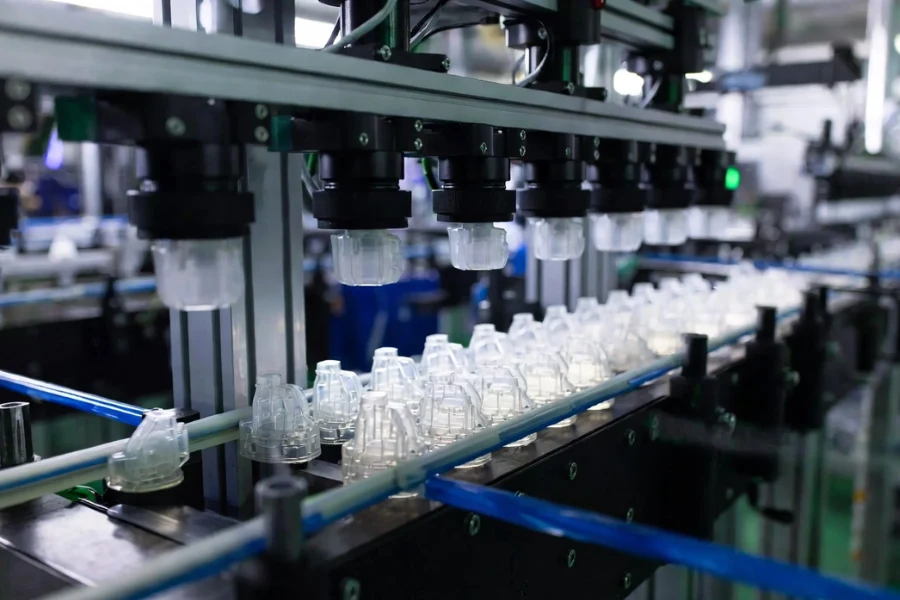
Injection molding processes must be validated because some part characteristics cannot be verified by inspection alone. Validation includes Installation Qualification (IQ), Operational Qualification (OQ), and Performance Qualification (PQ). Monitoring key parameters such as temperature, pressure, cycle times, and cooling rates ensures consistent product quality. Process control, including statistical analysis and sampling plans, mitigates the risk of defects like sink marks, flash, warpage, and dimensional variance. Advanced medical plastic injection molding methods, including cleanroom injection molding and micro injection molding, support validated production for regulated devices.
Assessing Your Manufacturing Partner
A capable partner provides ISO 13485 certification, FDA registration, cleanroom capabilities, and proven process validation experience. Evaluate engineering support for design-for-manufacturability, DFM reviews, mold design coordination, and material selection guidance. Scalability and supply chain flexibility are crucial to accommodate pilot runs through high-volume production. Look for capabilities in free mold tool design, CNC plastic machining, and custom plastic molding to ensure tooling and part quality. Proactive audit readiness and documented change control demonstrate regulatory maturity.
Documentation and Traceability
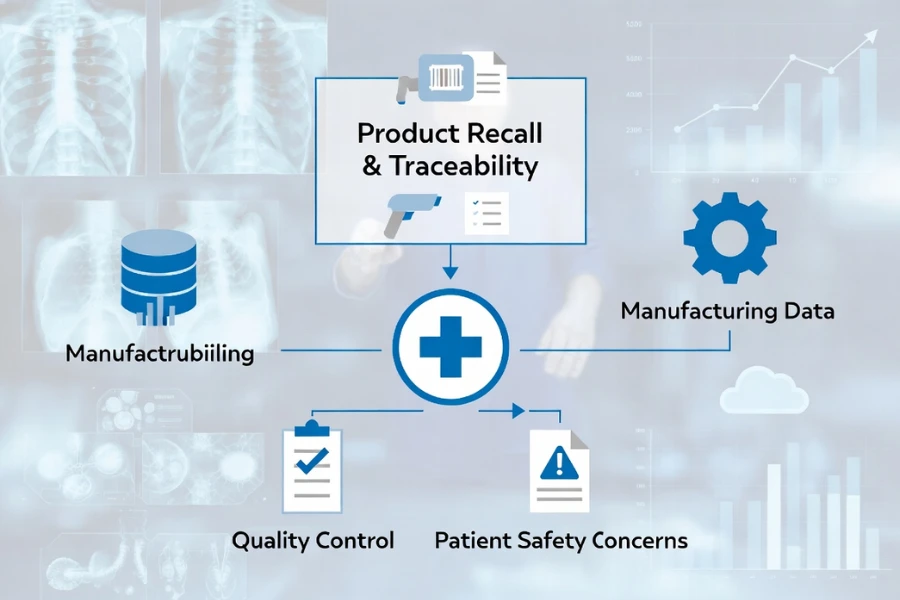
Comprehensive documentation is mandatory. Device History Records (DHR) and Design History Files (DHF) record the production process, design inputs, outputs, verification, and validation results. Traceability from raw material lot to finished device ensures each batch can be accounted for, supporting regulatory submissions. Change control procedures document material or process modifications, maintaining compliance and audit readiness. Traceability should extend through medical device assembly and medical device packaging stages for complete documentation.
Optional Advanced Capabilities
For complex multi-component medical devices, processes such as 2K injection molding and sourcing OEM medical components streamline production and regulatory compliance. Partners offering V-V medical device manufacturing and product development support can reduce iteration cycles and improve submission readiness.
FAQs
Medical injection molding produces plastic components under strict quality controls for healthcare applications. FDA 21 CFR Part 820 defines the Quality System Regulation, and the new QMSR harmonizes these rules with ISO 13485:2016. ISO 13485 certification supports global regulatory compliance. Medical-grade plastics must pass ISO 10993 biocompatibility testing and provide full traceability. Typical tolerances range from ±0.001″ to ±0.005″, with critical features validated using SPC and GD&T principles. Cleanroom environments are classified per ISO 14644 to control contamination and maintain product integrity. SeaSkyMedical offers guidance for TPR, PET, TPU, TPE, ABS, Nylon, LSR, and PP injection molding to ensure compliance across medical applications.