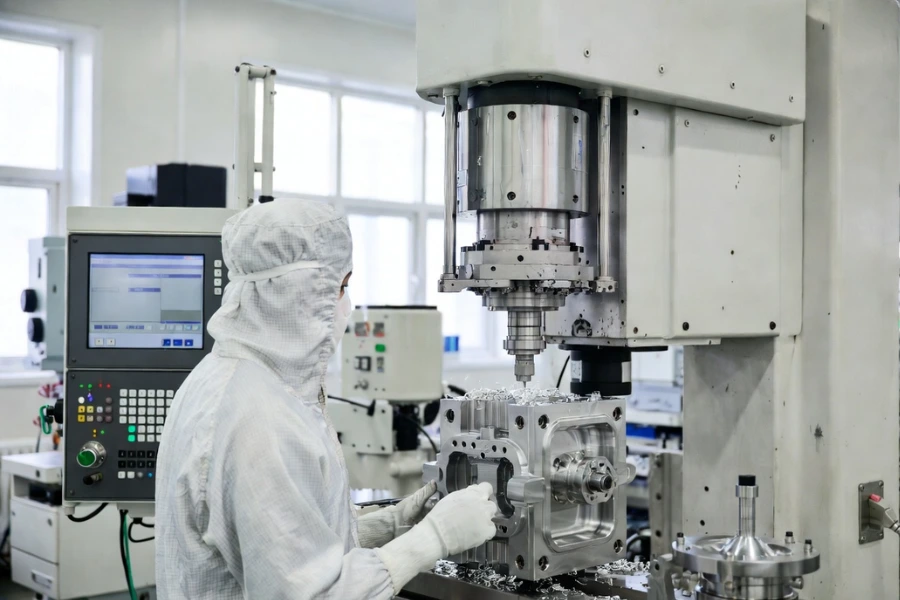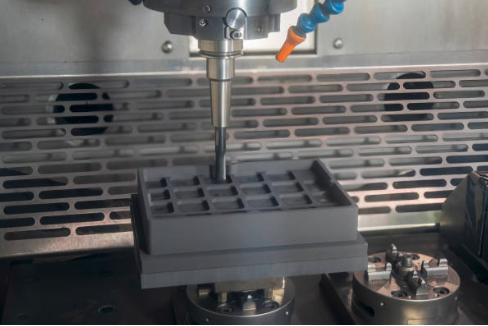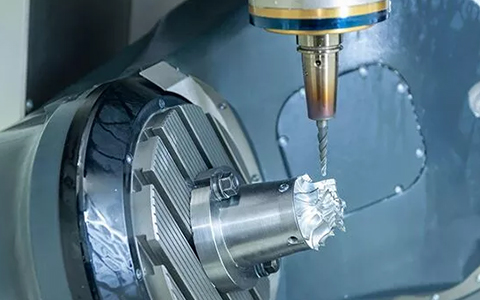
Medical components must meet strict dimensional tolerances, material requirements, and regulatory standards. Products developed through structured medical product development must maintain consistent quality from the earliest design stage through full production.
For this reason, manufacturers cannot rely solely on final inspection. Medical device manufacturers monitor quality continuously during production through in-process inspection.
This approach allows manufacturers to detect process variation early and maintain stable production conditions.
What In-Process Quality Inspection Means in Medical Manufacturing
In-process inspection refers to quality checks performed during manufacturing rather than only after production is completed.
These inspections verify that molding parameters, dimensions, and material conditions remain within validated limits throughout the manufacturing process.
For medical components, this method helps prevent defects from progressing through large production batches.
Why In-Process Inspection Is Critical for Medical Parts
Medical components often require extremely tight tolerances and highly stable material behavior. Small variations in molding conditions can influence device performance.
In-process inspection helps manufacturers maintain stable production conditions.
Manufacturers rely on process monitoring to
- maintain dimensional consistency
- detect machine parameter drift
- identify mold wear or contamination
- support regulatory documentation and traceability
These inspections are commonly integrated within quality management systems aligned with ISO 13485 and FDA quality system regulations.
Where In-Process Inspections Occur During Medical Injection Molding
Medical parts produced through medical plastic injection molding pass through several production stages where inspections are typically performed.
Common inspection checkpoints include
1 Mold setup verification
2 First article inspection after process stabilization
3 Periodic dimensional measurements during production
4 Statistical monitoring of process parameters
5 Inspection during secondary operations or assembly
Each checkpoint confirms that production continues within validated process conditions.
Common In-Process Inspection Methods Used for Medical Parts
Medical manufacturers combine several inspection techniques to monitor product quality throughout production.
First Article Inspection
First article inspection occurs once the molding process stabilizes at the start of production.
The first acceptable molded parts are measured to confirm that the medical mold manufacturing process, machine parameters, and material conditions produce components that match design specifications.
Typical checks include
- critical dimensions
- surface finish
- wall thickness consistency
- part weight stability
Production continues only after the first article meets required specifications.
Statistical Process Control
Statistical process control monitors production stability using measurement data collected during manufacturing.
Operators collect dimensional measurements at defined intervals and analyze results using control charts.
SPC monitoring helps detect
- dimensional drift
- process instability
- long term tool wear
Corrective adjustments can then be made before nonconforming parts are produced.
Automated Vision Inspection
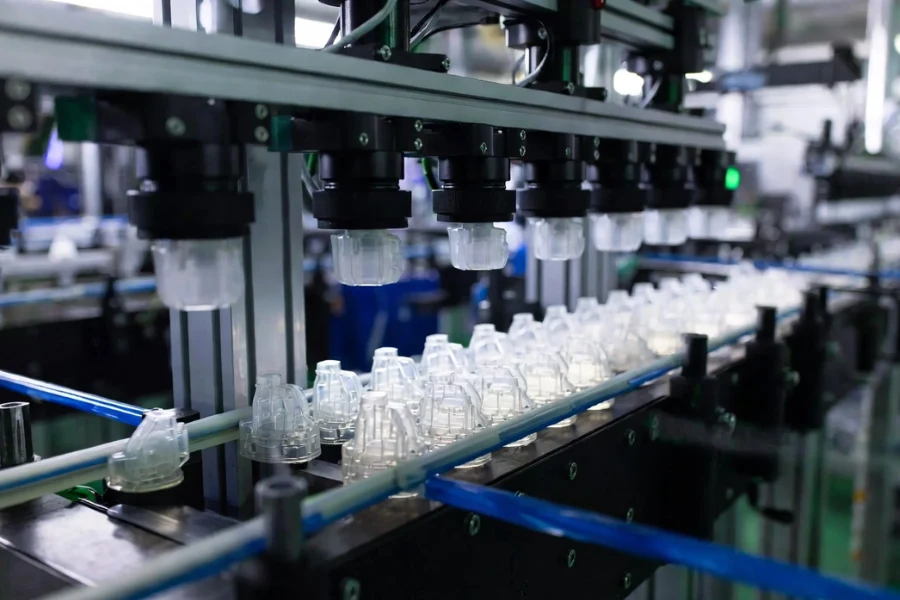
Automated vision systems are widely used in high volume medical component manufacturing.
These systems inspect parts directly on the production line and detect defects such as
- flash around molded edges
- incomplete filling of mold cavities
- surface contamination
- cosmetic defects
Vision systems allow continuous inspection without slowing production.
Dimensional Verification During Production
Dimensional checks confirm that molded parts remain within tolerance limits during production.
Measurements are typically performed at defined sampling intervals using
- digital calipers
- optical measurement systems
- coordinate measuring machines
Periodic measurement helps detect gradual process shifts caused by temperature variation or mold wear.
Medical components produced through micro injection molding often require tolerances as small as ±0.02 mm or smaller.
Functional Testing During Production
Certain medical components require functional verification during manufacturing.
Examples include
- connector engagement checks
- fluid flow testing for medical tubing components
- sealing integrity verification
Components produced using medical insert molding often require additional functional checks because they combine plastic and metal structures.
Functional testing ensures parts will perform correctly when integrated into final medical devices.
Inspection Equipment Used in Medical Manufacturing
Medical manufacturing requires inspection equipment capable of measuring small tolerances with consistent accuracy.
| Inspection Method | Equipment Used | Typical Purpose |
|---|---|---|
| Dimensional inspection | CMM systems, digital calipers | Verify critical tolerances |
| Visual inspection | Automated vision systems | Detect surface defects |
| Process monitoring | SPC software | Monitor process stability |
| Functional testing | Custom test fixtures | Confirm component performance |
Many modern medical manufacturing lines integrate inspection equipment directly into the production workflow.
Inspection Frequency and Sampling Strategies
In-process inspections are usually performed according to defined sampling plans.
Sampling intervals depend on several factors
- part criticality
- production stability
- regulatory requirements
- manufacturing volume
Stable injection molding processes may require dimensional checks at defined cycle intervals or batch intervals.
For higher risk medical components, manufacturers may increase sampling frequency or combine manual inspection with automated inspection systems.
Documentation and Traceability in Process Inspections
Medical device manufacturing requires detailed documentation for every inspection activity.
Inspection records typically include
- batch or lot identification
- dimensional measurement results
- machine parameters during production
- operator identification
These records support full traceability throughout the manufacturing process.
Manufacturers maintain documentation through systems such as Device Master Record and Device History Record.
Facilities such as SeaSkyMedical integrate process inspection data directly into manufacturing documentation systems to ensure complete traceability.
Challenges in In-Process Quality Inspection
Although in-process inspection improves manufacturing control, it also introduces several operational challenges.
Tight Tolerance Requirements
Medical components frequently require tolerances as small as ±0.02 mm or smaller. Maintaining these tolerances during high volume production requires constant monitoring.
Cleanroom Manufacturing Constraints
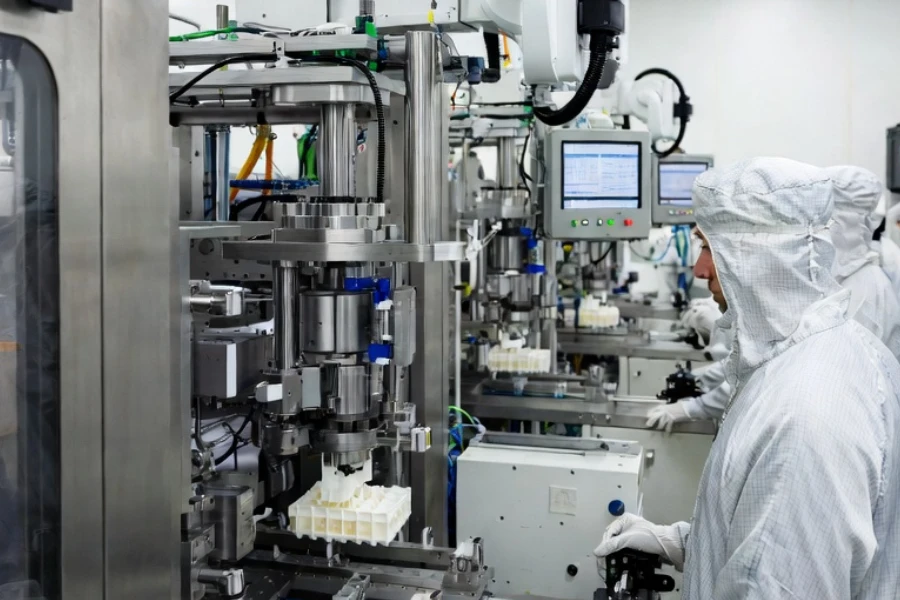
Many medical components are produced using cleanroom injection molding within ISO 7 or ISO 8 controlled environments.
Inspection equipment and procedures must comply with contamination control protocols while maintaining measurement accuracy.
High Production Speeds
Injection molding cycles are often short. Inspection systems must operate efficiently without interrupting production flow.
Automated inspection technologies are frequently used to balance inspection coverage with production efficiency.
How Medical Injection Molding Facilities Integrate In-Process Inspection
Medical injection molding facilities typically integrate inspection checkpoints directly into the manufacturing workflow.
These checkpoints may include
- mold setup verification
- first article approval
- periodic dimensional measurement
- automated defect detection during production
SeaSkyMedical integrates these inspections within controlled medical manufacturing environments. Production operations, inspection activities, and documentation systems are coordinated to maintain stable manufacturing conditions and consistent product quality.
Secondary operations such as medical device assembly may also include additional inspection checkpoints to verify component performance before final processing.
This process based inspection strategy helps manufacturers detect process variation early while maintaining regulatory traceability.
Conclusion
In-process quality inspection is a fundamental element of medical component manufacturing. Instead of relying solely on final product testing, manufacturers monitor production conditions continuously during the molding process.
By combining dimensional verification, statistical monitoring, automated inspection systems, and structured documentation, manufacturers can maintain stable production and consistent part quality.
This approach helps ensure medical components meet strict reliability and safety requirements before final medical device packaging and distribution.
FAQ
What is in-process inspection in medical manufacturing
In-process inspection refers to quality checks performed during production to verify that manufacturing parameters and part dimensions remain within defined specification limits.
How often are in-process inspections performed
Inspection frequency depends on product risk level and process stability. Manufacturers commonly combine periodic sampling with continuous monitoring systems.
What tools are used for in-process inspection
Common inspection tools include coordinate measuring machines, digital calipers, automated vision inspection systems, and statistical process monitoring software.
Why is documentation important for inspection
Inspection documentation ensures traceability and demonstrates that each production batch was manufactured under controlled and validated conditions.
Do all medical parts require full inspection
Not all components require full inspection. Manufacturers often apply risk based sampling strategies combined with automated monitoring systems.