Medical device injection molded parts require inspection layers that go beyond standard industrial quality control, especially in regulated environments supported by medical injection molding services, because they must demonstrate not only dimensional accuracy but also material stability, biological safety, and regulatory compliance throughout their lifecycle. These additional inspections typically span from pre-production validation through in-process monitoring, post-production verification, advanced performance evaluation, and final release documentation, forming a structured system that ensures components remain safe and consistent under real medical use conditions.
Why additional inspections are required in medical injection molding
Additional verification steps are required in medical injection molding because the consequences of failure extend beyond product performance and directly affect patient safety, regulatory compliance, and long-term reliability.
From a safety perspective, even minor defects such as microcracks, contamination, or material degradation can lead to device malfunction or adverse biological reactions when components interact with tissue, blood, or pharmaceutical substances.
From a regulatory standpoint, frameworks such as ISO 13485 and FDA quality system regulations require manufacturers to demonstrate traceability, validated processes, and documented evidence that each batch meets defined specifications.
In addition, sterilization processes such as gamma radiation or ethylene oxide exposure can alter material properties, which means components must be verified not only after molding but also after sterilization to confirm that performance remains stable.
Pre-production validation inspections
First article inspection and scope definition
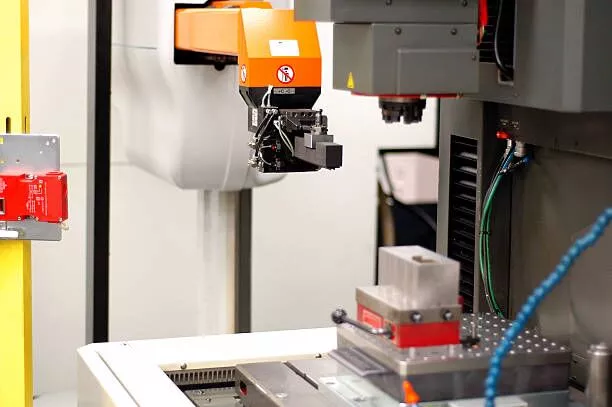
Before mass production begins, a first article inspection is conducted by selecting representative parts from the initial run and measuring critical and functional dimensions using calibrated equipment such as coordinate measuring machines or certified gauges, ensuring that medical injection molded parts conform to design intent and tolerance requirements under actual process conditions. This stage is often closely aligned with early product development and design validation, where manufacturability and inspection criteria are defined together.
In many cases, a partial first article inspection focuses on critical-to-quality features such as sealing interfaces, mating surfaces, and flow paths, allowing manufacturers to validate functional performance efficiently when tooling changes, design updates, or process adjustments occur.
Mold validation and initial tooling assessment
During early trial runs, molds are evaluated for defects such as flash formation, sticking, ejector pin marks, and surface inconsistencies, while thermal behavior is assessed to confirm uniform cooling performance, which is directly influenced by precision mold making capabilities, since uneven temperature distribution can result in warpage or dimensional instability that cannot be corrected later through parameter adjustment.
Material batch verification and moisture control
Each batch of medical-grade resin is reviewed against supplier certifications and compliance documentation, often supported by structured medical material selection solutions, while moisture content is measured after drying to confirm it meets material-specific thresholds, since hygroscopic polymers such as PEEK or polycarbonate may introduce internal voids or surface defects if residual moisture is not properly controlled prior to molding.
In-process monitoring and routine inspections
Dimensional and visual inspection during production
During production, critical dimensions are monitored through scheduled sampling using precision measuring tools or automated optical systems, while visual inspection identifies defects such as sink marks, silver streaks, bubbles, burrs, or contamination, ensuring that deviations are detected early before affecting downstream processes.
Process parameter tracking and statistical control
Key processing parameters including melt temperature, injection pressure, holding time, and cooling duration are continuously recorded and analyzed through statistical process control methods, allowing manufacturers to detect variation trends and maintain process stability across batches rather than relying solely on end-product verification.
Cleanroom and environmental monitoring

For components produced in controlled environments, airborne particle counts, temperature, humidity, and microbial levels are regularly monitored to comply with ISO cleanroom standards, typically within cleanroom injection molding environments, since environmental fluctuations can directly affect both material behavior and contamination risk during molding and handling.
In controlled environments such as ISO-class cleanrooms, manufacturers typically integrate automated handling and validation systems to reduce contamination risks, which is a standard practice within broader medical device contract manufacturing solutions, where consistency and traceability are maintained alongside contamination control.
Mold condition and maintenance checks
Mold cavities and moving components are inspected periodically for wear, residue buildup, or lubrication contamination, as even minor degradation in tooling condition can lead to dimensional drift or surface defects that compromise performance in medical applications.
Physical and mechanical performance inspections
Mechanical strength and durability testing
Batch-level testing is conducted to evaluate tensile strength, flexural properties, and impact resistance, using standardized methods to confirm that molded components can withstand mechanical stresses encountered during use, handling, or sterilization.
Dimensional stability and tolerance verification
For parts with thin walls or complex geometries, advanced measurement techniques such as coordinate metrology are applied to assess flatness, concentricity, and warpage, ensuring that dimensional stability is maintained even when components are subject to thermal cycling or assembly constraints.
Hardness and wear resistance evaluation
For components involved in movement or repeated contact, hardness and wear characteristics are evaluated to confirm that long-term performance remains consistent without excessive degradation that could affect device functionality.
Chemical and thermal performance inspections
Thermal stability assessment
Thermal analysis methods are used to evaluate whether the molding process has introduced degradation or altered material structure, ensuring that the thermal behavior of the molded part remains consistent with the original resin specification and suitable for its intended operating environment.
Chemical resistance and compatibility testing
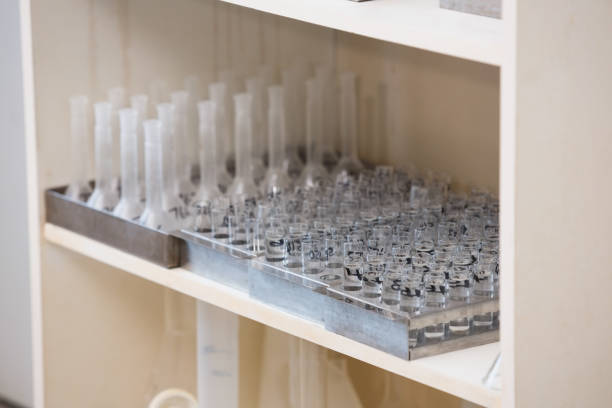
Components may be exposed to disinfectants, cleaning agents, or pharmaceutical solutions to verify that no swelling, cracking, or mass change occurs, since medical devices frequently interact with aggressive chemical environments during use or maintenance.
Extractables and leachables analysis
Analytical techniques are applied to detect potential extractable substances that may migrate into drugs or biological fluids during use, particularly for components used in fluid delivery systems or implantable applications where chemical safety is critical.
Biocompatibility and sterility-related inspections
Biological safety evaluation under ISO frameworks
Biocompatibility testing is a critical requirement for medical applications, ensuring that molded components do not induce cytotoxicity, irritation, or sensitization when in contact with the human body, while additional evaluations such as hemocompatibility or implantation response may be required depending on application risk level.
Sterility assurance and endotoxin control
For components labeled as sterile, batch-level sterility testing and endotoxin evaluation are performed using validated methods, ensuring that microbial contamination is effectively controlled and does not pose risk to patients during clinical use.
Post-sterilization performance verification
After exposure to sterilization methods such as ethylene oxide, gamma radiation, or steam, parts are re-evaluated for mechanical integrity, appearance, and biological safety, confirming that sterilization does not introduce degradation, discoloration, or functional changes.
Final inspections before release and shipment
Sterilization validation and visual confirmation
Sterilization cycles are validated using biological or chemical indicators, while components are visually inspected for deformation, surface defects, or color changes that may indicate material sensitivity to the sterilization process.
Packaging integrity verification
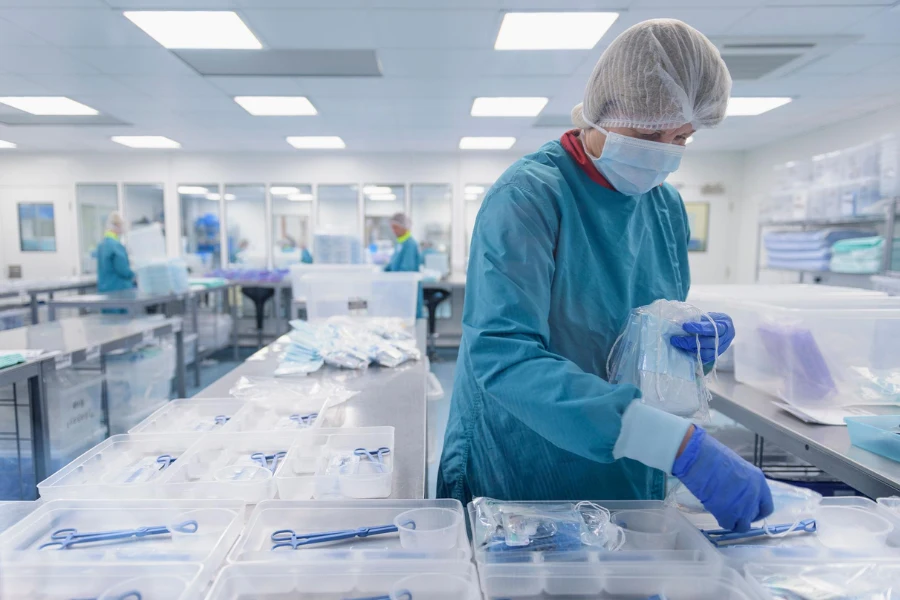
Packaging systems are tested for seal strength and barrier performance to ensure that sterility or cleanliness is maintained during storage and transportation, often supported by dedicated medical device packaging services, since packaging failure can compromise otherwise compliant products.
Documentation and traceability review
Each production batch is reviewed for completeness of documentation, including material certificates, process records, inspection reports, and sterilization data, often integrated with downstream medical device assembly capabilities, ensuring full traceability in accordance with quality management system requirements.
At SeaSkyMedical, these documentation and traceability practices are integrated into the manufacturing workflow, allowing inspection data, material tracking, and process validation records to remain consistent and audit-ready without interrupting production efficiency.
Special inspections for high-risk medical components
Non-destructive internal inspection
For critical or implantable components, imaging methods such as X-ray or computed tomography are used to detect internal voids, inclusions, or structural defects that cannot be identified through external inspection alone, especially in applications requiring micro injection molding for medical components, where internal precision is essential.
Fatigue and lifecycle testing
Components subjected to repeated mechanical loading undergo cyclic testing to simulate long-term use conditions, ensuring that structural integrity is maintained over the expected service life without failure.
Surface characterization and roughness measurement
Surface quality is evaluated using profilometry or optical measurement methods to confirm that roughness levels remain within acceptable limits, particularly for components that contact tissue or fluids where surface irregularities may influence performance or contamination risk.
Conclusion
Medical device injection molded parts require a multi-layered inspection framework that extends beyond standard quality control by integrating validation inspections, process monitoring, material analysis, biological safety evaluation, and regulatory documentation into a unified system, often supported by comprehensive custom medical molding solutions.
By aligning inspection strategies with application risk, material behavior, and sterilization requirements, manufacturers can ensure that each component not only meets design specifications but also performs reliably under real clinical conditions, which is essential for maintaining patient safety and regulatory compliance.