Medical injection molding can be configured to support different regulatory markets, including requirements associated with the FDA in the United States and CE marking in Europe.
This customization does not involve changing the molded part geometry. It involves configuring the manufacturing system so that materials, processes, and documentation align with market-specific regulatory expectations.
In practice, regulatory customization is a manufacturing and validation decision rather than a design decision, and it is typically addressed within a broader medical plastic injection molding framework.
What regulatory customization means in manufacturing terms
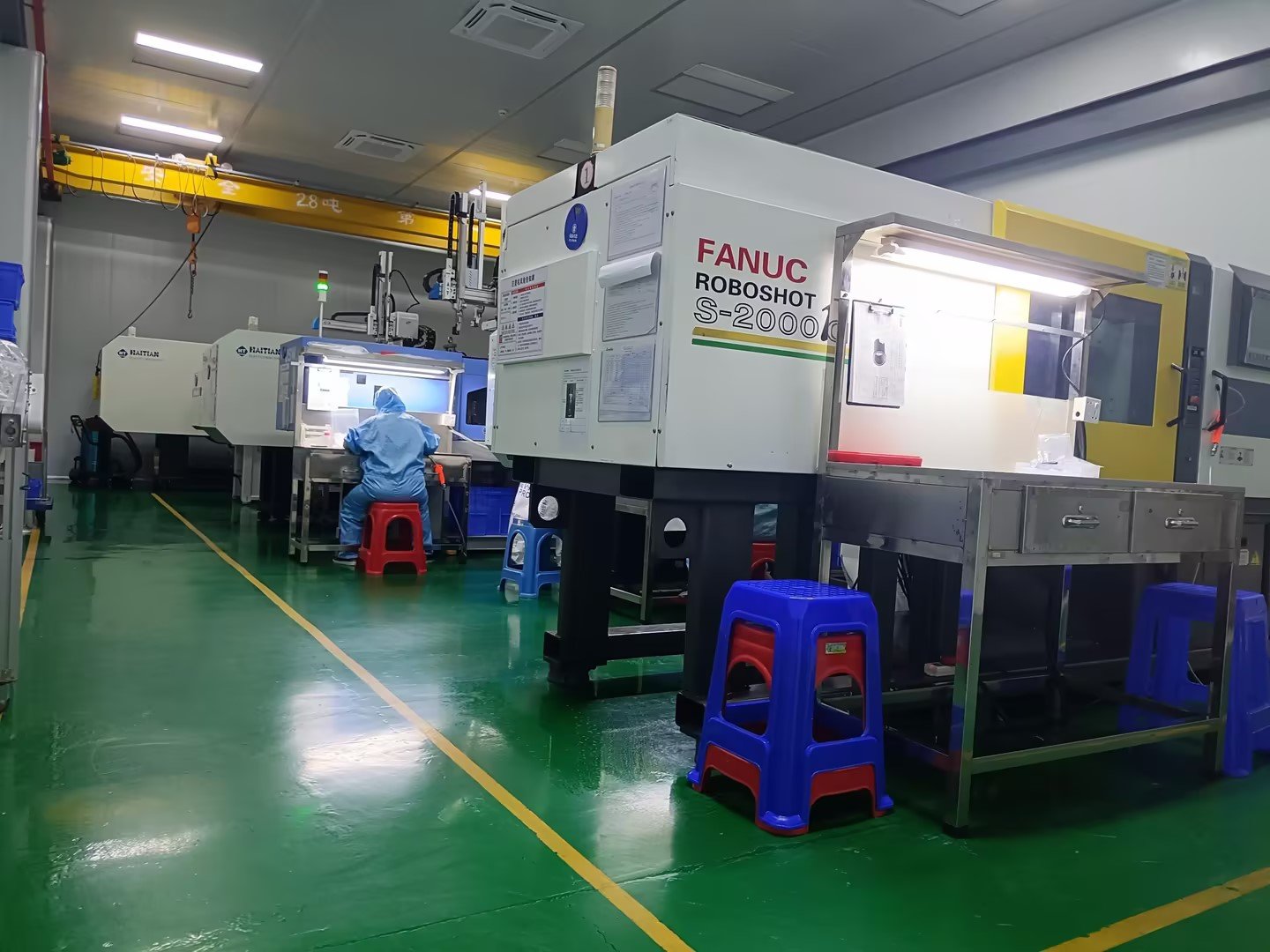
Regulatory customization describes how injection molding processes are structured to meet different regulatory review models.
The molded component may remain unchanged, while the controls surrounding production are adjusted.
Commonly affected areas include:
- Material qualification and supporting documentation
- Process validation scope and structure
- Cleanroom classification and monitoring strategy
- Traceability depth and batch definition
- Technical documentation format and retention
These elements are reviewed differently across regulatory markets, even when the same production equipment and tooling are used.
How medical injection molding is configured for different markets
Material selection and supporting evidence
Medical-grade plastics are commonly used across global markets.
What varies is the type and depth of evidence required to support their use.
Typical configuration steps include:
- Aligning biocompatibility data sets with target market expectations
- Defining resin traceability down to lot or batch level
- Confirming sterilization compatibility based on regional norms
Material decisions are often supported through structured medical-grade plastics selection rather than ad-hoc material changes.
For applications requiring elastomeric performance, materials such as LSR injection moulding or TPE injection molding are commonly evaluated early.
Process validation and change control
Injection molding processes are typically validated using IQ, OQ, and PQ methodologies.
The validation framework is similar across markets, but how evidence is structured and maintained often differs.
| Market focus | Validation emphasis |
|---|---|
| FDA-oriented projects | Ongoing process control and audit readiness |
| CE-oriented projects | Risk linkage and technical documentation support |
Late-stage changes to materials, tooling, or process windows often trigger partial or full revalidation, regardless of market.
This is why validation planning is closely tied to mold making and early free mold tool design reviews rather than post-production adjustments.
Cleanroom and contamination control
Cleanroom medical manufacturing is commonly applied for regulated components.
ISO Class 7 or ISO Class 8 environments are typical.
Customization occurs in:
- Environmental monitoring frequency
- Deviation escalation procedures
- Documentation retention requirements
These controls are usually defined early, since cleanroom reclassification after validation introduces additional regulatory and operational risk.
For this reason, cleanroom injection molding is often treated as a baseline requirement rather than an optional upgrade.
Key regulatory differences that influence molding configuration
FDA-oriented manufacturing expectations
Manufacturing systems aligned with FDA oversight typically emphasize:
- Consistent process execution over time
- Clear change management and CAPA handling
- Documentation structured for inspection readiness
Compliance is treated as an ongoing state rather than a one-time milestone within medical device contract manufacturing environments.
CE and EU MDR-oriented manufacturing expectations
European market access places stronger emphasis on:
- Risk management integration with manufacturing controls
- Technical documentation completeness
- Traceability that supports post-market surveillance
In this context, injection molding documentation is often reviewed as part of a broader technical file rather than as a standalone manufacturing record.
Advantages and limitations of regulatory customization
Advantages
- Enables one molded component to serve multiple markets
- Reduces the need for duplicate tooling
- Supports scalable international supply strategies
Limitations
- Requires early cross-functional coordination
- Increases upfront documentation effort
- May extend initial project timelines
Regulatory customization is most efficient when addressed before process validation begins.
Applications where regulatory configuration is commonly required
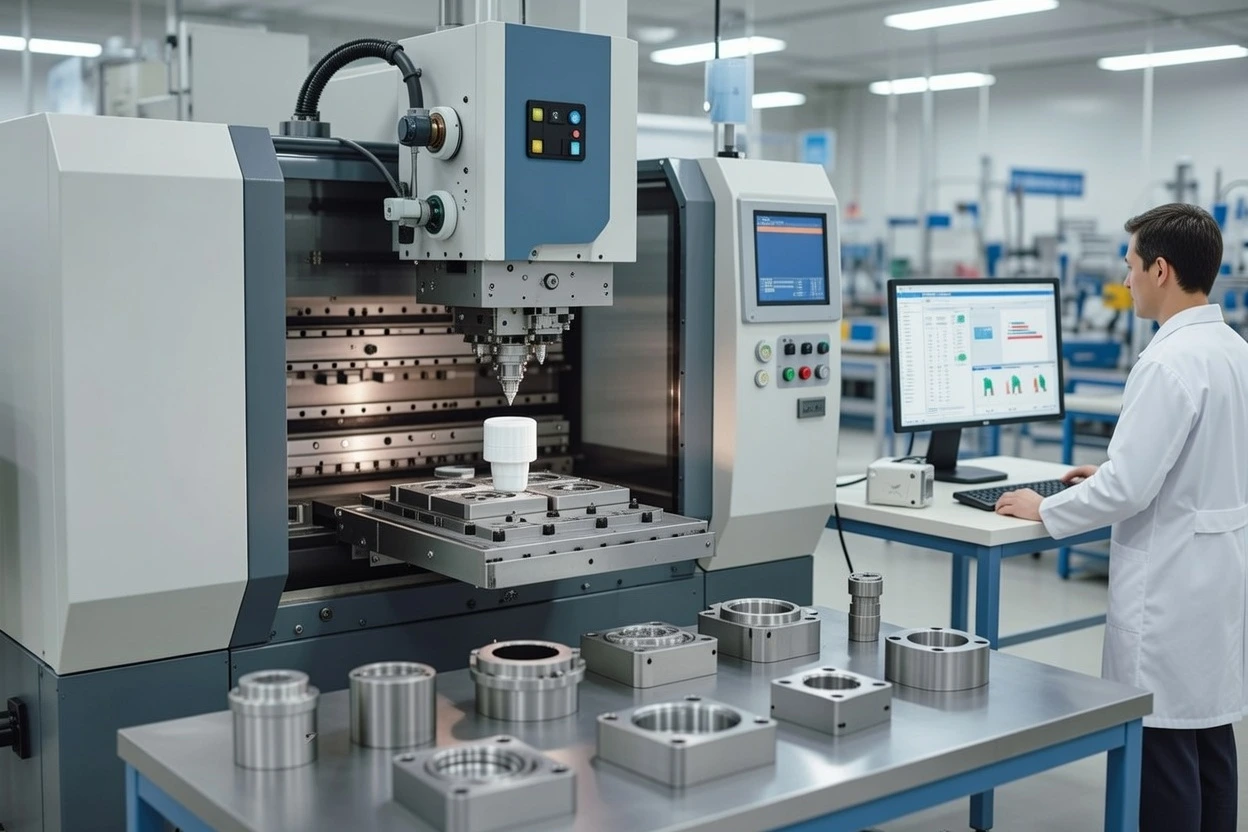
Medical injection molding is frequently configured for regulatory markets in:
- Medical consumables injection molding
- Laboratory consumables molding
- Medical device components molding
- Micro injection molding for tight-tolerance parts
- Medical insert molding and overmolding assemblies
These applications often combine cleanroom production with high traceability expectations and controlled medical device assembly workflows.
The role of the manufacturing partner
An experienced medical injection molding manufacturer typically supports regulatory customization by:
- Identifying regulatory constraints during early design review
- Aligning mold design and process windows with validation strategy
- Structuring documentation to support different regulatory submissions
In regulated projects, these activities are commonly integrated into product development and feasibility analysis rather than addressed after production has started.
When regulatory customization should be addressed
Regulatory configuration is typically introduced:
- During material selection and early design review
- Before mold fabrication and process window definition
- Prior to IQ, OQ, and PQ planning
Addressing these factors late in the project often leads to additional validation cycles.
Final considerations
Medical injection molding can support FDA, CE, and other regulatory markets when manufacturing systems are intentionally configured.
The molded part itself may remain unchanged, while the surrounding controls, validations, and documentation differ.
This approach allows manufacturers and OEMs to maintain product consistency while meeting region-specific regulatory expectations.
For projects requiring market-specific manufacturing alignment, Contact SeaSkyMedical for more information or Get a Quote to discuss feasibility at the process level.