Introduction
Medical injection molding is a precise, multi-step process that transforms initial part concepts into fully validated, production-ready components. Each stage—from design to T1 sampling—affects quality, regulatory compliance, and repeatability. Understanding this workflow helps engineers, procurement managers, and OEM teams make informed decisions while reducing risk and improving scalability. This process is central to medical device contract manufacturing.
Design & DFM
The workflow starts with part design and 3D CAD modeling. Early engagement in design for manufacturability (DFM) prevents common issues such as warpage, sink marks, or flash. Engineers finalize part orientation, draft angles, gate placement, and material selection while constructing a complete bill of materials (BOM). By processing mold elements in parallel, teams can shorten lead times by up to 5–6 days. Key considerations include wall thickness, rib design, and tolerances of ±0.05 mm for critical features. Learn more about free mold tool design and product development.
Material Procurement
After mold design approval, materials are sourced. Steel for core and cavity inserts is ordered—P20 or hardened steel depending on expected mold life—and prepared for machining. Standardized mold bases reduce lead time, while off-the-shelf components (screws, sliders, ejector pins) are sourced. Plastics are procured according to grade: general-purpose resins may arrive in 2–3 days, while specialty TPE, ABS, or LSR can take 1–2 weeks. Early planning mitigates production delays. Additional material guidance can be found under TPR and PET selection.
CNC Machining
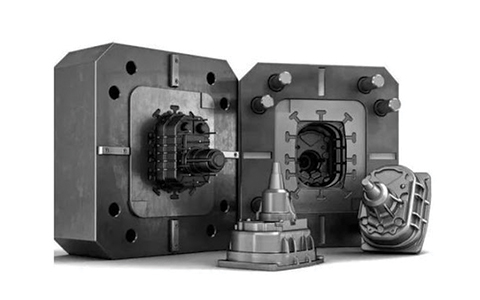
CNC machines process the steel inserts into mold cores and cavities. Rough machining creates the base profile, followed by precision finishing to achieve ±0.02 mm tolerances for critical surfaces. Copper electrodes for EDM are machined in parallel. CAM programming generates G-code, and cooling channels are drilled. For typical medium-size molds (95×55×16 mm), CNC machining can be completed in 2–3 days. Detailed capabilities are available at CNC plastic machining and mold making.
Electrical Discharge Machining (EDM)
EDM completes features unachievable by CNC, such as sharp internal corners or text engraving. Wire EDM cuts complex profiles, while sinker EDM uses copper electrodes for intricate internal details. Parallel processing with CNC ensures minimal delays. EDM accuracy is typically ±0.01 mm, critical for medical tolerances. Explore related processes at medical plastic injection molding and medical insert molding.
Mold Assembly & Finishing
Machined components—including core, cavity, lifters, and sliders—are assembled. Precision grinding ensures alignment, and polishing removes machining marks while achieving required surface texture or roughness (Ra ≤ 0.4 µm for critical surfaces). Assembly typically completes within 24 hours alongside final fitting and polishing. Learn more about medical device assembly and secondary operations.
T0/T1 Sampling
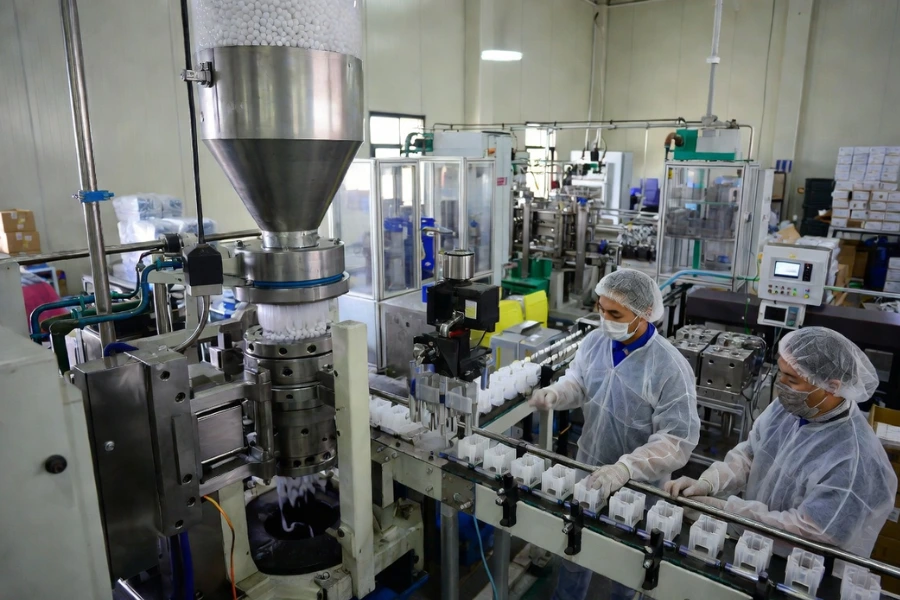
Initial T0 parts validate mold fit and press parameters. Adjustments are made to achieve design tolerances. T1 samples are produced for customer evaluation. For small parts, adjustments take one day; medium parts require two. Continuous quality monitoring ensures repeatability before full production.
Engineering & Quality Considerations
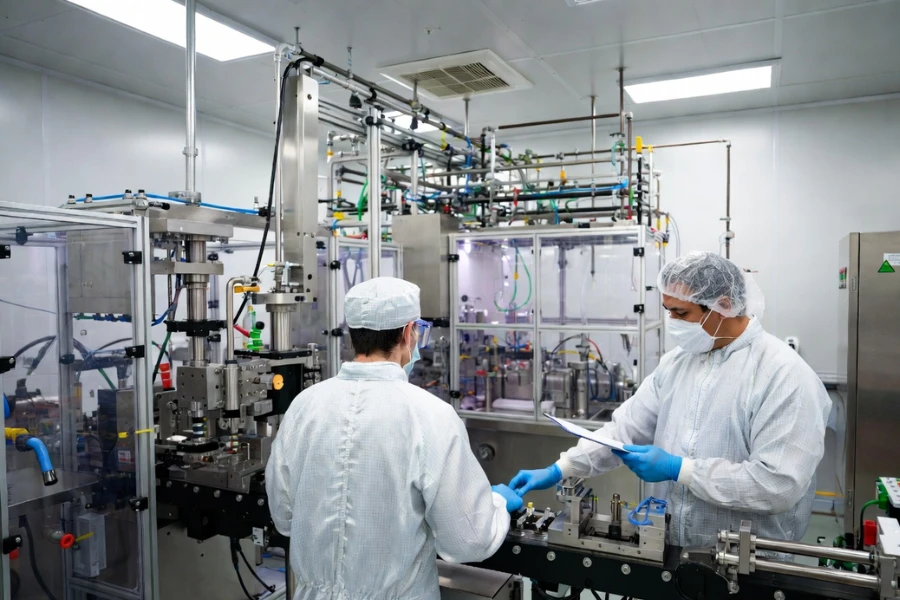
Compliance with ISO 13485:2016 is mandatory. IQ, OQ, and PQ validations ensure equipment, process, and part performance. Cleanroom conditions, temperature, and humidity are strictly monitored. Process stability, defect management, and material traceability are critical for regulatory compliance and repeatable quality. Additional quality support can be referenced under V&V Medical Device.
Conclusion & Best Practices
To optimize medical injection molding:
- Engage in early DFM feedback to minimize design issues
- Process mold elements in parallel to reduce cycle time
- Use standardized mold bases for low-volume production
- Monitor quality and process parameters rigorously during sampling
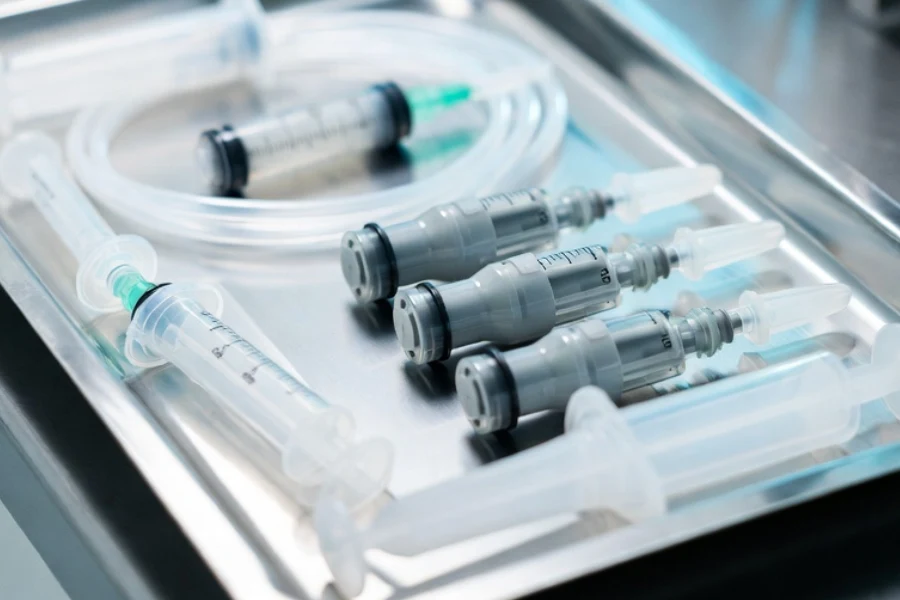
These practices improve repeatability, shorten lead times, and ensure high-quality production. Supplier selection should prioritize robust process development, validation capabilities, and engineering expertise. Explore comprehensive medical plastic injection molding and custom plastic molding services.