Medical device plastic injection molding suppliers differ in tooling, material processing, quality systems, cleanroom capabilities, validation support, and production scale. These differences matter when parts require tight tolerances, contamination control, traceability, or validated manufacturing processes.
The following eight companies provide medical plastic molding or related manufacturing capabilities. This is not a strict ranking; the comparison focuses on capabilities that may matter when selecting a medical device component manufacturer.
8 Medical Device Plastic Injection Molding Companies
The right medical device injection molding supplier depends on the device, material, part geometry, production volume, quality requirements, and downstream manufacturing needs.
| Company | Medical Manufacturing Focus | Quality System | Cleanroom / Controlled Environment | Key Capabilities |
|---|---|---|---|---|
| SeaSkyMedical | Medical plastic components and devices | ISO 13485:2016 | ISO Class 8 cleanroom | Mold making, precision molding, micro molding, insert molding, assembly and packaging |
| Trelleborg Medical Solutions | Medical and healthcare polymer components | Verify for selected facility | Controlled manufacturing capabilities vary by facility | Polymer engineering, molding and integrated manufacturing |
| MANAR Inc. | Medical device components and assemblies | ISO 13485 | Verify for selected facility | Scientific molding, tooling and process validation |
| TESco Associates | Bioabsorbable medical devices | Verify for selected facility | ISO Class 7 cleanrooms | Bioabsorbable materials, part design and injection molding |
| Fictiv | Medical prototypes through production parts | ISO 13485 capabilities available through qualified manufacturing partners | Depends on selected manufacturing facility | DFM, injection molding, prototyping and production sourcing |
| Natech Plastics | Medical components, subassemblies and finished devices | ISO 13485; FDA-registered facility | ISO Class 8 cleanroom | DFX, insert molding, overmolding, validation, assembly and packaging |
| Plastikon Industries | Healthcare and medical plastic components | ISO 13485 at relevant medical manufacturing operations | Cleanroom manufacturing | High-volume molding, multi-shot molding, automation, assembly and packaging |
| HTI Plastics | Medical and pharmaceutical plastic components | ISO 13485 | Controlled manufacturing and assembly capabilities | Injection molding, tooling, DFM and secondary operations |
Certifications, cleanroom classifications, and manufacturing scope may apply only to specific facilities. Verify the proposed production site and current certification scope during supplier qualification.

SeaSkyMedical
SeaSkyMedical focuses on medical plastic injection molding and supports projects from product development and material selection through mold manufacturing, molding, assembly, and packaging. Its medical manufacturing system includes ISO 13485:2016 and ISO Class 8 cleanroom injection molding.
Capabilities include precision mold making, micro injection molding, insert molding, tight-tolerance component production, and scalable manufacturing. Combining tooling and molding within the same workflow can simplify mold adjustments and process control for components with small features or demanding dimensions.
Minnesota Rubber & Plastics
Minnesota Rubber & Plastics appeared as an independent company in the original version of this article. Following its acquisition by Trelleborg, its capabilities are now part of Trelleborg Medical Solutions.
The organization serves medical and healthcare applications through polymer engineering, component manufacturing, and integrated manufacturing services. Capabilities and certifications can differ by location, so OEM teams should evaluate the specific facility proposed for their program.
MANAR Inc.
MANAR has provided custom plastic manufacturing services since 1972 and supports medical device components and assemblies. Its capabilities include scientific injection molding, tooling, engineering support, and an ISO 13485 quality system.
The company also supports IQ, OQ, and PQ activities for medical programs requiring documented process validation.
TESco Associates
TESco Associates specializes in manufacturing involving bioabsorbable polymers and medical devices. Its capabilities combine material-related support, part design, tooling, injection molding, and contract manufacturing, including production in ISO Class 7 cleanrooms.
Fictiv

Fictiv differs from a conventional medical injection molding factory because it operates through a managed manufacturing network. Its medical manufacturing services span prototyping, engineering validation, injection molding, CNC machining, and production sourcing.
For medical programs, supplier qualification should extend to the actual manufacturing facility selected for the component. Quality certifications, cleanroom availability, process controls, and documentation therefore need to be confirmed at the production-site level.
Natech Plastics
Natech Plastics provides engineering and manufacturing for medical components, subassemblies, and finished devices. Its publicly stated medical capabilities include ISO 13485 certification, an FDA-registered facility, and ISO Class 8 cleanroom manufacturing.
Services include DFX, scientific molding, insert molding, overmolding, IQ/OQ/PQ validation, automated inspection, traceability, assembly, and packaging, with support extending from development into automated commercial production.
Plastikon Industries Inc.
Plastikon Industries provides plastic manufacturing for healthcare, medical, diagnostic, and other technically demanding applications. Its capabilities include cleanroom injection molding, high-cavitation production, multi-shot molding, automation, assembly, and packaging.
Integrated molding and downstream operations can reduce transfers between separate molding, assembly, and packaging suppliers.
HTI Plastics

HTI Plastics provides custom injection molding for medical, pharmaceutical, and industrial applications. Its services include engineering support, DFM, mold design and tooling, injection molding, and secondary manufacturing.
Its combination of tooling and molding allows manufacturability issues identified during development to be considered alongside mold construction and subsequent production requirements.
How to Choose a Medical Device Injection Molding Company
Selecting a medical injection molding factory should start with the component and device requirements. A supplier suitable for a relatively simple housing may not be appropriate for a tight-tolerance diagnostic component, insert-molded assembly, or part requiring controlled-environment production.
Medical Manufacturing Experience and Application Fit
Years in business alone do not establish whether a manufacturer is suitable for a specific medical device program. More useful criteria include experience with comparable parts, materials, tolerances, processes, and production requirements.
Depending on the project, evaluate experience with:
- Similar part geometries and tolerance requirements
- The specified medical-grade polymer
- Thin-wall, micro, insert, or overmolding
- Prototype-to-production transfer
- Inspection and manufacturing documentation
- Medical assembly or packaging when required
This separates general injection molding experience from experience directly applicable to the component being sourced.
Quality Systems, Cleanroom Capability, and Process Validation
ISO 13485 is an important quality-management consideration for many medical manufacturing programs, but certification should be checked at the facility and scope level. The same applies to cleanroom manufacturing.
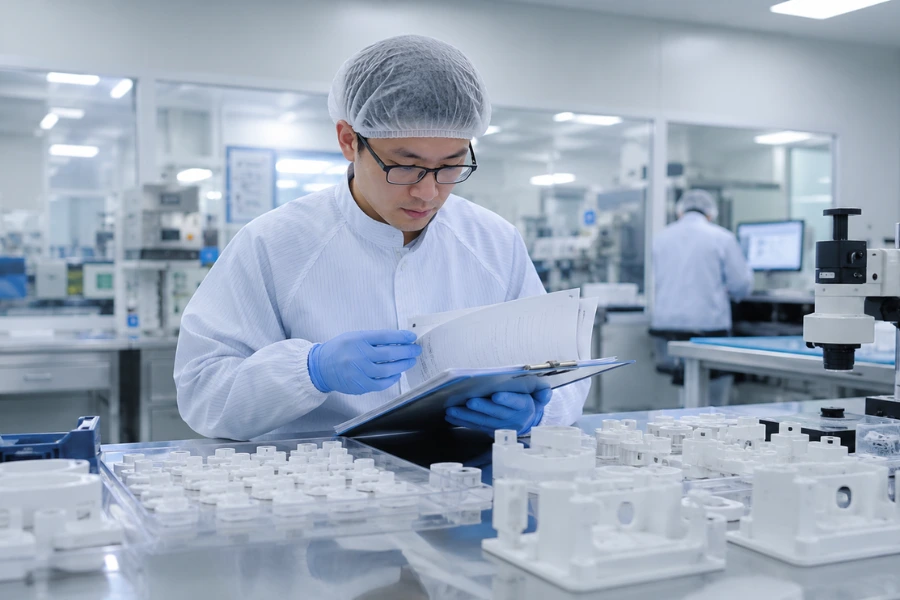
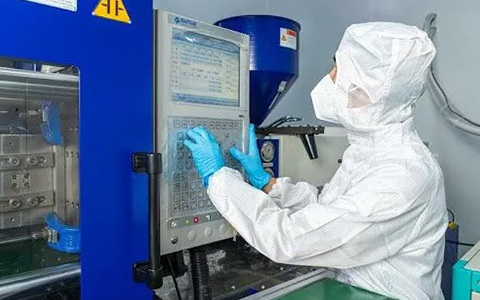
If controlled-environment production is required, determine which molding, assembly, or packaging operations occur inside the cleanroom and whether the classification matches the manufacturing requirements.
A supplier’s quality assurance system may also need to support:
- IQ/OQ/PQ validation
- Lot and material traceability
- Change control
- Process documentation
- Dimensional inspection
- Capability studies
- Nonconformance and corrective-action controls
Cleanroom molding controls the production environment; it does not by itself make the molded medical device sterile.
Production Capacity and Scale-Up
Avoid defining low- and high-volume medical molding with arbitrary unit thresholds. Capacity depends on part size, mold cavitation, cycle time, press availability, automation, inspection requirements, and downstream operations.
For a program expected to scale, determine whether the supplier can support the transition from initial qualification to commercial production. Tool life, annual volume, cavitation, and automation requirements should be considered before production tooling is finalized.
This is especially important when early product development uses prototype or low-volume tooling that may not be suitable for long-term production.
Tooling and Precision Molding Capability
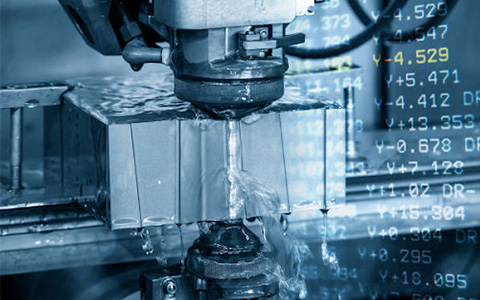
For tight-tolerance medical plastic parts, evaluate mold-making capability together with dimensional control and process repeatability. Cavity construction, tooling alignment, gating, cooling, and ejection can influence molded-part accuracy and stability.
Thin walls, ribs, inserts, small features, and low-draft geometries can increase tooling and molding difficulty. A supplier producing these components should demonstrate relevant tooling and process experience rather than relying only on injection molding machine specifications.
Medical-Grade Material Processing
A long resin list does not necessarily demonstrate material-processing expertise. The manufacturer should understand how the specified polymer behaves during drying, filling, packing, cooling, shrinkage, and ejection.
For example, polycarbonate requires appropriate moisture and processing control, while POM requires attention to molding shrinkage and thermal processing conditions. These differences can affect mold design, dimensional stability, and the available process window.
Material selection should reflect intended use, mechanical requirements, chemical exposure, sterilization method, biological evaluation requirements, and applicable product specifications.
Lead Time and Total Manufacturing Cost
Unit price represents only part of the cost of a medical molding program. Tooling, engineering changes, material procurement, validation, inspection, secondary operations, packaging, and logistics can affect both cost and schedule.
When comparing suppliers, consider the complete manufacturing path:
- DFM and engineering changes
- Mold design and manufacturing
- Sampling and tool revisions
- Material procurement
- Process qualification or validation
- Injection molding
- Inspection and documentation
- Assembly and secondary operations
- Packaging and logistics
A lower initial mold price may not reduce total cost if the tool requires repeated modification, produces unstable dimensions, or cannot support the required production volume.
Medical Plastic Injection Molding With SeaSkyMedical
SeaSkyMedical supports medical device OEMs from DFM and material selection through mold making, medical plastic injection molding, assembly, packaging, and scalable production.
Its manufacturing capabilities include an ISO 13485:2016 quality management system, ISO Class 8 cleanroom molding, precision mold manufacturing, micro injection molding, insert molding, and inspection.
For a new medical plastic component, supplier evaluation should begin with part geometry, tolerances, material, expected production volume, cleanliness requirements, validation needs, and downstream operations. SeaSkyMedical can review these requirements and discuss an appropriate tooling and manufacturing approach.