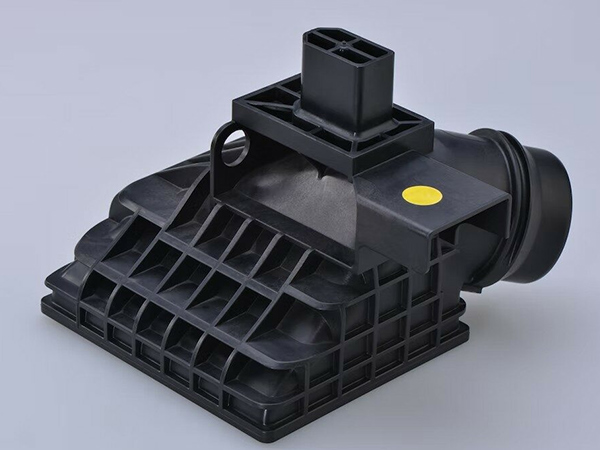
Lead time in medical injection molding refers to the total time required from purchase order release to mold completion, validation, and readiness for production.
For medical projects, this includes mold fabrication, sampling, correction cycles, and cleanroom production preparation.
In regulated environments, production lead time also involves validation and documentation activities.
Definition of Mold Lead Time in Medical Plastic Injection Molding
Mold lead time is the duration required to design, manufacture, assemble, and qualify a mold before it enters stable production.
It includes:
- Mold design and DFM analysis
- Medical mold design approval
- Steel procurement and component sourcing
- CNC machining and EDM processing
- Mold assembly and fitting
- T1 sampling
- Correction loops
In medical mold design & production, validation requirements often extend this timeline beyond general industrial projects.
Typical Mold Lead Times by Tooling Type
Lead time varies depending on mold type, complexity, cavitation, and regulatory expectations.
Prototype Mold – 2 to 4 Weeks
Prototype tooling is typically used for early validation of custom medical plastic parts.
Characteristics include:
- Single cavity
- Aluminum or soft steel
- Simplified cooling
- Limited production volume
| Mold Type | Typical Lead Time |
|---|---|
| Aluminum prototype mold | 2–3 weeks |
| Soft steel prototype mold | 3–4 weeks |
| Complex prototype tool | Up to 6 weeks |
Prototype tooling is suitable for early-stage verification before full investment in hardened production molds.
Bridge Tooling – 4 to 10 Weeks
Bridge molds support low-volume production before full-scale tooling is completed.
Common applications include:
- Clinical trial batches
- Early regulatory submission
- Initial market introduction
Bridge tooling in medical OEM injection molding solutions allows controlled production while final production molds are in development.
Production Mold – 8 to 20+ Weeks
Production molds are hardened steel tools designed for high-volume medical plastic injection molding.
Typical ranges:
| Mold Complexity | Typical Lead Time |
|---|---|
| Simple single cavity steel mold | 6–8 weeks |
| Multi-cavity with side actions | 10–16 weeks |
| Complex medical device mold | 12–20+ weeks |
| Highly complex multi-cavity system | 3–6 months |
Extended lead time is typically applied to:
- Insert molding tools
- Medical overmolding systems
- Micro injection molding medical components
- High tolerance plastic medical parts
Production Lead Time After Mold Completion
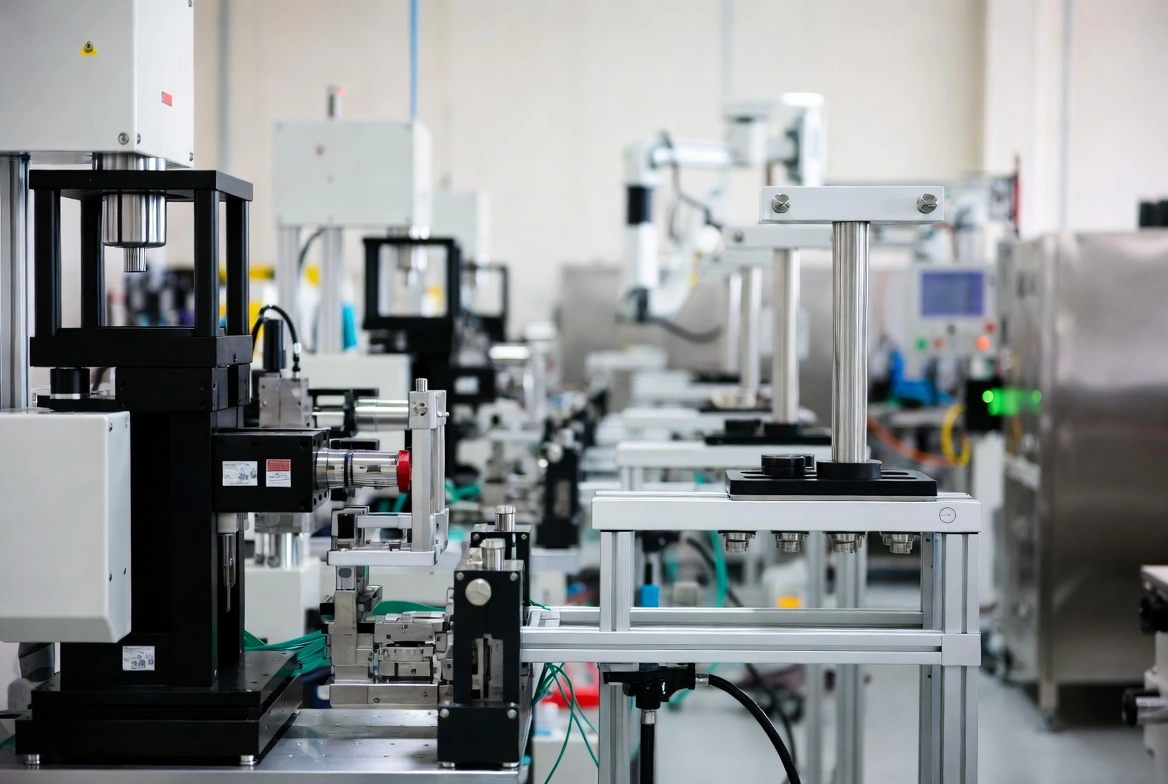
Mold fabrication is only part of the timeline.
Production lead time includes:
- Process development
- Parameter optimization
- Validation batches
- Cleanroom production scheduling
- Assembly and packaging preparation
In cleanroom medical manufacturing, additional preparation is required to ensure contamination control and documentation compliance.
For many medical device components, production readiness may require an additional 4 to 8 weeks after mold completion.
Key Factors That Influence Lead Time
Lead time in medical injection molding manufacturer environments is influenced by several variables.
Part Design Complexity
- Undercuts
- Tight tolerances
- Micro features
- Insert molding
- Multi-material overmolding
Complex geometry increases machining time and correction loops.
Cavitation and Mold Structure
Multi-cavity molds increase upfront fabrication time.
Additional features such as hot runner systems, lifters, and advanced cooling circuits extend the tooling timeline.
Higher cavitation improves production efficiency but increases mold manufacturing duration.
Steel Type and Material Selection
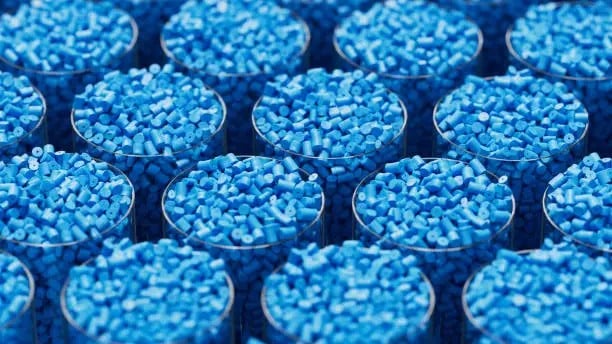
Soft aluminum machines faster but offers limited durability.
Hardened tool steels used in long-term production require:
- Heat treatment
- EDM machining
- Precision finishing
This increases fabrication time but supports stable, high-volume output.
Factory Workload and Scheduling
Lead time includes shop scheduling.
High-capacity utilization can delay mold start dates by several weeks.
Integrated facilities reduce transfer delays between tool manufacturing and production.
SeaSkyMedical coordinates medical mold design, tooling fabrication, and ISO 8 cleanroom production within one system to reduce cross-supplier scheduling gaps.
Validation and Regulatory Requirements
Medical device manufacturing requires structured validation.
Common activities include:
- Installation Qualification
- Operational Qualification
- Performance Qualification
- Documentation review
These steps extend total project timeline but ensure process repeatability and compliance.
Typical Total Timeline for Medical Injection Molding Projects
A realistic timeline for a full medical injection molding project often includes:
| Stage | Typical Duration |
|---|---|
| DFM and design review | 1–3 weeks |
| Mold fabrication | 6–20 weeks |
| Correction cycles | 2–6 weeks |
| Validation and qualification | 4–8 weeks |
| Production ramp-up | 2–4 weeks |
Total timeline commonly ranges from 12 to 24 weeks depending on complexity and regulatory requirements.
Early collaboration and structured project planning reduce uncertainty.
SeaSkyMedical supports one-stop medical molding services from prototype to production medical plastic components, including risk analysis before tooling begins.
Advantages and Limitations of Shorter Lead Times
Advantages
- Faster validation
- Earlier clinical evaluation
- Reduced inventory exposure
Limitations
- Prototype molds lack long-term durability
- Compressed schedules increase iteration risk
- Validation phases cannot be eliminated
Lead time reduction must balance durability, cost, and compliance.
FAQ
How long does medical injection molding typically take?
A simple prototype mold may take 2–4 weeks. A hardened production mold for medical device components typically requires 8–20 weeks. Validation and cleanroom production preparation can extend the total timeline to 12–24 weeks.
Why do medical molds take longer than industrial molds?
Medical projects often require tighter tolerances, documentation, validation activities, and cleanroom manufacturing preparation. These additional requirements increase total lead time compared to general industrial tooling.
Can mold lead time be shortened?
Lead time can be reduced through early DFM collaboration, simplified part geometry, and coordinated supplier scheduling. However, validation requirements and hardened steel processing cannot be eliminated.
Does multi-cavity tooling increase lead time?
Yes. Multi-cavity molds require additional machining, balancing, and validation work. While they increase initial tooling duration, they improve long-term production efficiency.
What is the difference between mold lead time and production lead time?
Mold lead time refers to the time required to fabricate and sample the tool. Production lead time includes process validation, ramp-up, and cleanroom scheduling before stable output begins.
Summary
Typical lead times in medical injection molding depend on mold type, part complexity, steel selection, cavitation, and validation requirements.
General industry ranges:
- Prototype mold – 2–4 weeks
- Bridge tooling – 4–10 weeks
- Production mold – 8–20+ weeks
- Complex regulated systems – 3–6 months
For regulated medical manufacturing, total project planning should include validation and cleanroom preparation.
Contact SeaSkyMedical for more information about custom medical injection molding, medical mold design & production, and cleanroom medical manufacturing support.