Sterilization is required for medical devices that contact human tissue, blood, or pharmaceutical products. Devices must remain sterile while maintaining structural integrity and functional performance.
Different sterilization methods expose materials to heat, radiation, or reactive gases. Because polymers respond differently to these conditions, engineers must evaluate sterilization compatibility during material selection and product design.
For manufacturers producing injection molded components through processes such as medical plastic injection molding, sterilization requirements often influence both material choice and part geometry.
Why Sterilization Compatibility Matters for Medical Devices
Sterilization eliminates microorganisms that may cause infection. At the same time, sterilization processes can influence the physical and chemical behavior of medical polymers.
Material compatibility ensures that medical components remain safe, dimensionally stable, and mechanically reliable after sterilization.
Patient Safety Requirements
Medical devices that contact the body must remain sterile during transportation, storage, and clinical use.
Disposable devices are typically sterilized once by the manufacturer. Reusable devices may experience repeated sterilization cycles in hospitals.
Stable materials help ensure that sterilization does not compromise patient safety.
Impact on Material Performance
Sterilization conditions can alter polymer structure. Heat, radiation, or chemical exposure may cause molecular changes in plastic materials.
Common changes include
- reduced tensile strength
- increased brittleness
- dimensional deformation
- discoloration or yellowing
- reduced optical clarity
These effects occur because sterilization may trigger polymer chain scission, oxidation, or thermal deformation.
Regulatory and Validation Considerations
Medical sterilization processes must follow industry standards and validated procedures.
Common standards include
- ISO 11135 for ethylene oxide sterilization
- ISO 11137 for radiation sterilization
- ISO 17665 for steam sterilization
Manufacturers must confirm that materials maintain required performance characteristics after sterilization.
Common Sterilization Methods Used in Medical Manufacturing
Several sterilization technologies are widely used across the healthcare industry. Each method introduces different environmental stresses that influence material compatibility.
Ethylene Oxide Sterilization EtO
Ethylene oxide sterilization uses a reactive gas to destroy microorganisms. The process operates at relatively low temperatures.
Typical operating conditions include
- temperature between 37 and 55°C
- controlled humidity
- aeration time after sterilization
Advantages
- suitable for temperature sensitive plastics
- compatible with complex devices
- effective for packaged products
Limitations
- extended processing time due to aeration
- careful handling required for residual gas removal
EtO sterilization is commonly used for tubing, catheters, and diagnostic devices.
Gamma Radiation Sterilization
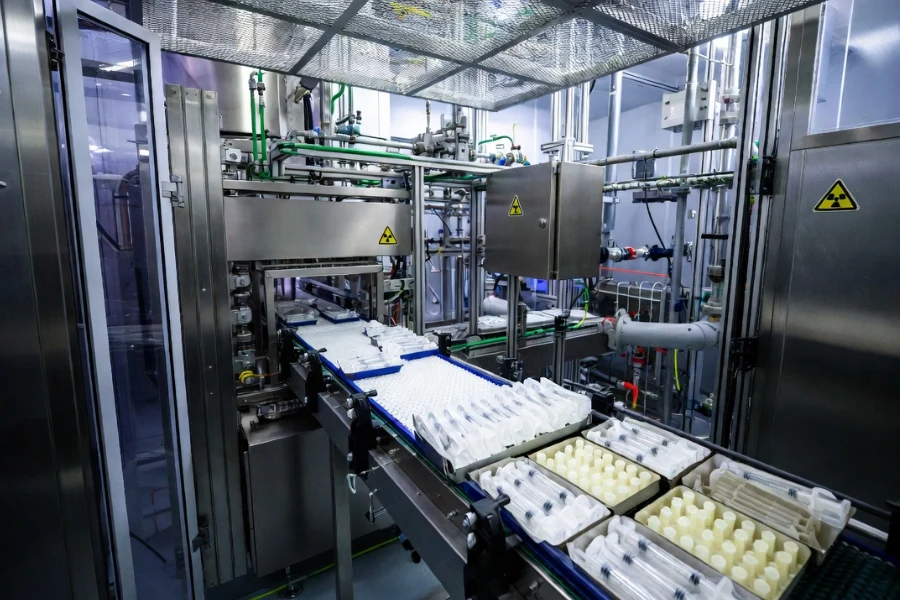
Gamma sterilization uses high energy photons to penetrate sealed packaging and eliminate microorganisms.
Typical radiation doses range from
- 25 to 40 kGy depending on device requirements
Advantages
- deep penetration
- suitable for large scale sterilization
- effective for packaged disposable products
Limitations
- radiation may degrade certain polymers
- some plastics may discolor or become brittle
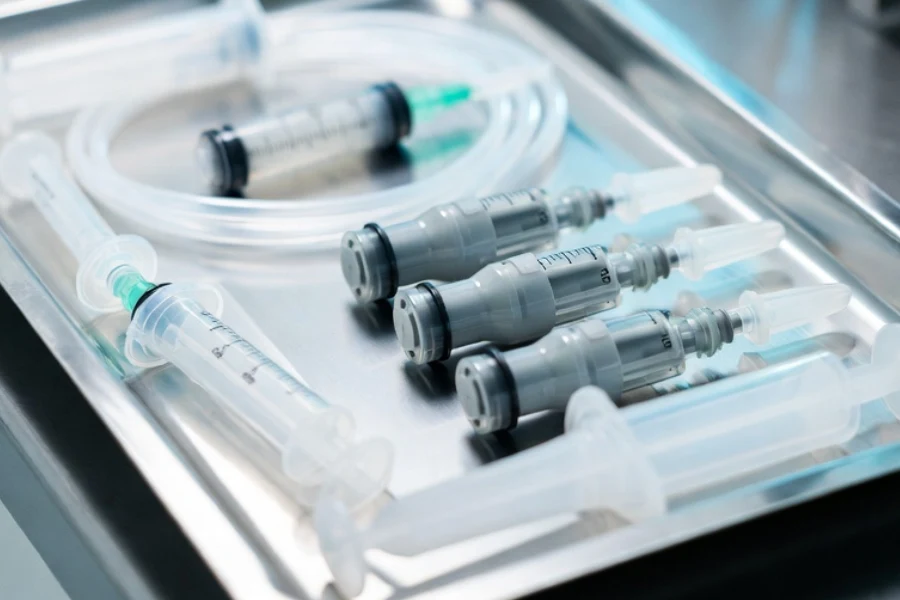
Gamma sterilization is widely used for syringes, IV components, and laboratory consumables.
Electron Beam Sterilization E beam
Electron beam sterilization uses accelerated electrons to sterilize products. The method is similar to gamma radiation but operates differently.
Characteristics include
- rapid sterilization cycles
- controlled radiation exposure
- lower penetration depth compared with gamma radiation
Advantages
- fast processing
- no radioactive source required
Limitations
- less suitable for dense or thick products
E beam sterilization is commonly used for small medical devices and packaging materials.
Steam Sterilization Autoclave
Steam sterilization uses high temperature and pressure to eliminate microorganisms.
Typical parameters include
- temperature 121°C or 134°C
- pressure around 15 to 30 psi
- cycle duration 15 to 30 minutes
Advantages
- highly effective sterilization
- widely used in clinical environments
Limitations
- high temperature may deform many plastics
- thermal stress may cause warping
Steam sterilization is typically used for reusable surgical instruments and high temperature polymers.
Compatibility of Medical Plastics with Sterilization Methods
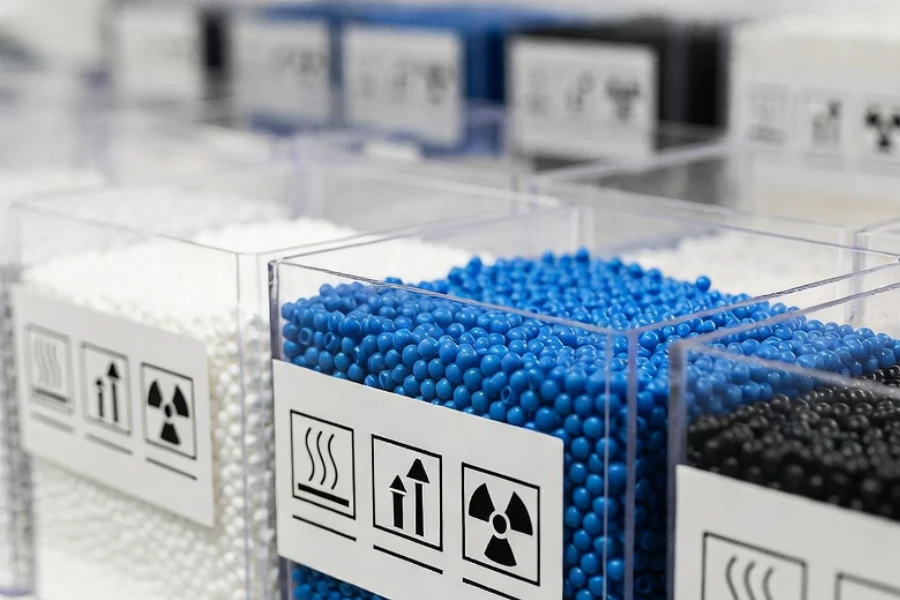
Different polymers respond differently to sterilization conditions. Material selection should always match the sterilization method used for the final device.
| Material | EtO | Gamma | E beam | Steam |
|---|---|---|---|---|
| Polypropylene PP | Good | Good | Good | Moderate |
| Polyethylene PE | Good | Moderate | Moderate | Poor |
| Polycarbonate PC | Good | Moderate | Moderate | Moderate |
| ABS | Good | Limited | Limited | Poor |
| Nylon PA | Good | Moderate | Moderate | Limited |
| PET | Good | Limited | Limited | Poor |
| PETG | Good | Limited | Limited | Poor |
| PVC | Good | Moderate | Moderate | Poor |
| PEEK | Excellent | Excellent | Excellent | Excellent |
| Thermoplastic Elastomer TPE | Good | Moderate | Moderate | Poor |
Actual performance may vary depending on additives, formulation, and sterilization parameters.
Polypropylene PP
Polypropylene is widely used in disposable medical products. It offers good chemical resistance and relatively stable performance under several sterilization methods.
Typical applications include
- syringes
- specimen containers
- laboratory consumables
Manufacturers commonly produce these components through processes such as PP injection molding.
Polyethylene PE
Polyethylene provides flexibility and toughness. It is commonly used in tubing and flexible medical packaging.
PE works well with EtO sterilization but has limited resistance to high temperatures.
Steam sterilization may deform thin PE components.
Polycarbonate PC
Polycarbonate is valued for its transparency and impact resistance. It is often used in diagnostic equipment housings and optical medical parts.
Radiation exposure may cause discoloration or reduced transparency over time.
ABS and Nylon Engineering Plastics
Engineering plastics such as ABS and nylon are used in structural medical components that require strength and durability.
Examples include parts manufactured using
These materials generally perform well under EtO sterilization but may degrade under repeated radiation exposure.
Thermoplastic Elastomers
Thermoplastic elastomers provide flexibility and soft touch properties for medical devices.
Common examples include components produced through TPE injection molding.
TPE materials typically tolerate EtO sterilization but may experience degradation under high temperature sterilization.
High Performance Materials Such as PEEK
PEEK offers excellent mechanical strength and high temperature resistance.
This polymer maintains stability under most sterilization methods including steam autoclave.
Typical applications include
- implantable device components
- load bearing medical structures
Key Design Considerations for Sterilizable Medical Components
Sterilization compatibility should be addressed during product development rather than after production begins.
Material behavior during sterilization depends on several engineering factors.
Material Selection Strategy
Engineers often evaluate the following factors during design
1 sterilization method used for the device
2 retention of mechanical properties after sterilization
3 thermal stability of the polymer
4 compatibility with sterile packaging systems
Early collaboration during product development helps ensure the selected materials meet sterilization requirements.
Part Geometry and Wall Thickness
Component geometry influences how materials respond to sterilization.
Thicker sections may experience uneven heat distribution during steam sterilization. Thin sections may be more vulnerable to radiation degradation.
Uniform wall thickness helps maintain dimensional stability during sterilization cycles.
Injection Molding Processing Conditions
Injection molding parameters also influence sterilization performance.
Factors such as cooling rate, molding temperature, and residual stress can affect how molded components behave during sterilization.
Precision tooling and controlled molding processes such as mold making help reduce internal stresses and improve part stability.
Production in controlled environments such as cleanroom injection molding further supports contamination control before sterilization.
Additives and Colorants
Additives and pigments can influence polymer stability.
Certain pigments degrade under radiation exposure. Stabilizers may be required to reduce discoloration or molecular degradation.
Material formulations should be validated under the intended sterilization conditions.
Packaging Compatibility
Sterile barrier packaging must also withstand sterilization.
Common packaging materials include
- Tyvek sterile barrier systems
- thermoformed medical trays
- sterile flexible pouches
Packaging and device materials should be validated together.
Processes such as medical device packaging and medical device assembly help ensure products remain sterile throughout manufacturing and distribution.
Applications of Sterilization Compatible Plastic Components
Sterilization compatible plastics are used across many medical products.
Examples include
- disposable syringes
- IV connectors and tubing components
- diagnostic cartridges
- laboratory consumables
- drug delivery device housings
- diagnostic instrument components
Manufacturers producing these devices often rely on integrated services such as medical device contract manufacturing and the production of OEM medical components.
These services support the development of reliable medical devices that maintain performance after sterilization.
FAQ
What sterilization methods are commonly used for medical devices
The most common sterilization methods include ethylene oxide, gamma radiation, electron beam radiation, and steam autoclave. The choice depends on material compatibility and device design.
Can all plastics tolerate steam sterilization
No. Steam sterilization uses high temperature and pressure. Many plastics soften or deform under these conditions. Heat resistant polymers such as PEEK or certain polypropylene grades perform better.
Which plastics work best with radiation sterilization
Polypropylene, polyethylene, and certain polycarbonate grades often tolerate radiation sterilization. Stabilizers may be added to reduce polymer degradation.
Does sterilization change the properties of plastic
Yes. Sterilization can affect mechanical strength, color stability, and transparency depending on the polymer and sterilization method used.
How are injection molded medical parts sterilized
Injection molded medical components are typically sterilized after manufacturing and packaging. Common methods include ethylene oxide, gamma radiation, and electron beam sterilization depending on the material and device design.