Introduction: Why Packaging and Labeling Compliance Starts at the Injection Molding Stage
Medical device packaging and labeling compliance is not defined at the final packaging stage but is progressively established during upstream manufacturing, where injection molding conditions determine dimensional stability, material integrity, traceability structure, and contamination control, all of which directly influence whether downstream packaging systems can maintain sterile barrier performance and whether labeling data can remain accurate and auditable throughout the product lifecycle.
Within regulated manufacturing environments, a medical injection molding partner is therefore not only a component supplier but an extension of the quality management system, where ISO 13485 controls, FDA expectations, and EU MDR traceability requirements begin at the level of molded part consistency and controlled production processes supported by integrated manufacturing capabilities such as medical plastic injection molding and medical device contract manufacturing.
How Medical Injection Molding Partners Support Packaging Compliance Foundations
Cleanroom Manufacturing and Contamination Risk Control
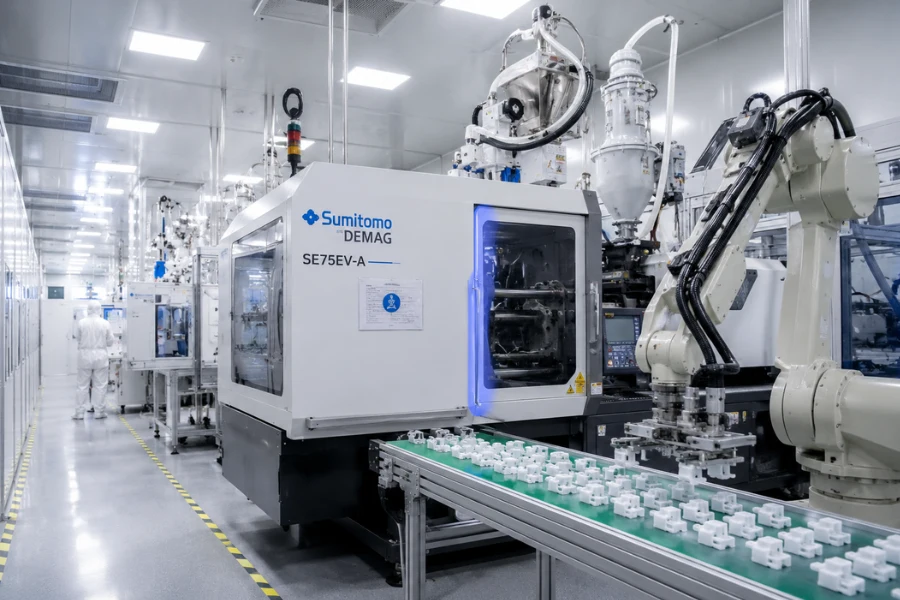
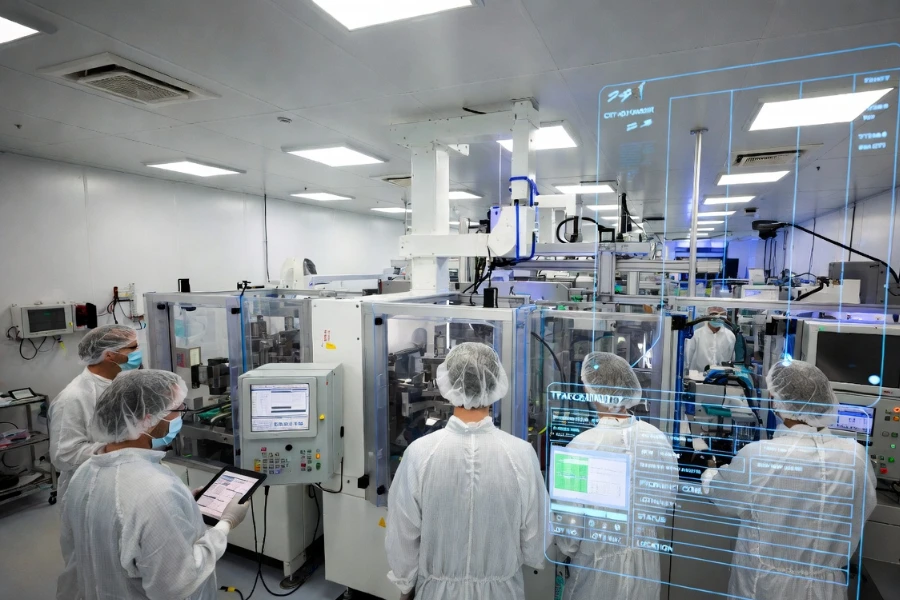
Injection molding performed in ISO Class 7 or ISO Class 8 cleanroom environments establishes the first structural layer of packaging compliance by ensuring that molded components entering downstream processes do not introduce particulate or microbial contamination that could compromise sterile barrier integrity.
Controlled environments combined with automated demolding systems and reduced human intervention significantly minimize contamination risks before components are transferred into packaging workflows, which is especially critical for sterile medical devices requiring validated environmental control such as cleanroom injection molding.
SeaSkyMedical integrates cleanroom manufacturing systems within ISO 13485 frameworks to ensure consistent environmental stability before packaging and labeling stages.
Dimensional Stability and Packaging Seal Compatibility
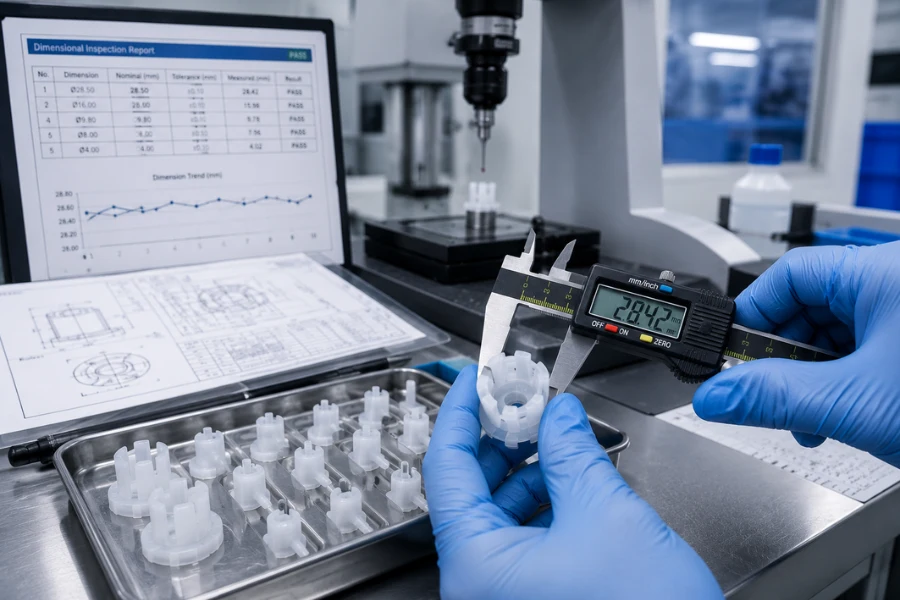
Packaging systems such as blister packs, thermoformed trays, and sterile pouches depend on precise dimensional consistency of molded components, since even small deviations in sealing surfaces may lead to incomplete heat seals, channel leakage, or film puncture during sterilization validation.
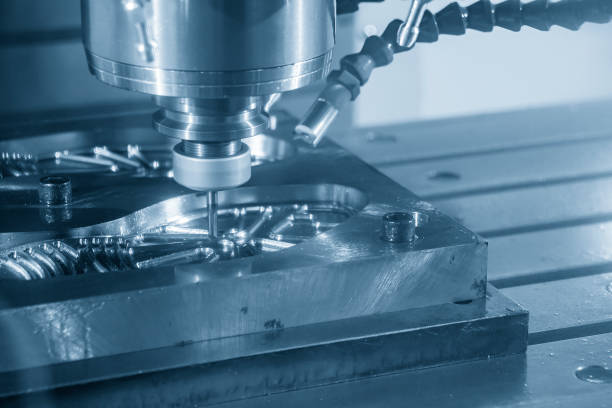
To control these risks, injection molding partners implement dimensional verification systems supported by tooling design and machining capabilities such as mold making and high-precision post-processing such as CNC plastic machining, ensuring that molded components remain stable across production cycles and meet packaging interface requirements.
Full Traceability as a Packaging and Labeling Input System
Traceability is a core requirement of ISO 13485 and directly connects injection molding operations to downstream packaging and labeling systems, where each production batch includes resin lot identification, cavity number tracking, process parameters, and timestamped manufacturing data.
These records are later translated into packaging labels through batch numbers, serial identifiers, and production dates, forming the foundation of UDI compliance and audit-ready documentation across the device lifecycle.
Injection molding partners supporting OEM-level production, such as OEM medical components, ensure traceability continuity from raw material to final packaged device.
Supporting Sterile Barrier Systems Through Injection Molding Control
Material Selection and Sterilization Compatibility
Material selection directly determines whether a medical device can maintain structural and chemical stability under sterilization processes such as ethylene oxide, gamma irradiation, or autoclaving, making it a critical factor in packaging compliance.
Common medical-grade materials such as PP, ABS, TPU, and TPE must be validated not only for mechanical performance but also for sterilization compatibility, which can be supported through material-specific processes such as:
- PP injection molding
- ABS plastic molding
- TPU injection molding
- TPE injection molding
- LSR injection moulding
Material validation ensures that molded components remain stable within sterile packaging systems throughout the product lifecycle.
Geometric Design Influence on Packaging Integrity
The geometry of molded components directly affects packaging integrity, particularly when sharp edges, undercuts, or inconsistent wall thickness increase the risk of puncturing sterile barrier films or disrupting seal uniformity.
Injection molding partners often participate in early-stage engineering reviews through product development and free mold tool design, enabling design adjustments that improve packaging compatibility without compromising functional performance.
Surface Quality and Post-Processing Control
Surface condition plays a critical role in both packaging protection and labeling adhesion, since rough surfaces may increase particulate shedding or reduce label durability under environmental stress.
Post-processing operations such as trimming, marking, and assembly must be tightly controlled within secondary manufacturing systems such as secondary operation and packaging-specific workflows like medical device packaging secondary operations, ensuring that no contamination or structural defects are introduced after molding.
Integration With Medical Device Labeling and UDI Systems
Production Data as the Foundation of Label Accuracy
Labeling systems rely on accurate upstream manufacturing data, including batch identifiers, production dates, and cavity-level traceability, all of which originate from injection molding processes and are directly embedded into packaging labels.
This ensures that each medical device carries verifiable production identity that remains consistent throughout storage, distribution, and clinical use environments.
Supporting UDI Production Identifier Requirements
UDI systems require precise mapping between manufacturing data and labeling elements such as lot numbers, serial numbers, and expiration dates, all of which depend on controlled and validated injection molding processes.
In higher-risk applications, serialization may extend to part-level identification, ensuring full traceability of individual molded components across the supply chain.
Label Durability and Material Interaction Validation
Label performance depends not only on printing technology but also on the surface characteristics of molded materials, including surface energy, chemical resistance, and environmental stability.
Injection molding partners may provide material compatibility data that supports label adhesion testing, ensuring long-term readability and compliance under real-world storage conditions.
Process Validation and Regulatory Documentation Support
IQ OQ PQ Integration With Molding Process Data
Packaging validation frameworks such as IQ, OQ, and PQ require upstream manufacturing stability data to confirm that molded components meet consistent quality standards under controlled production conditions.
Injection molding process validation outputs serve as essential inputs for packaging system validation under ISO 13485 requirements.
Batch Process Records and Audit Readiness
Regulatory inspections require complete visibility into manufacturing parameters such as injection pressure, temperature profiles, and cycle consistency, all of which must be documented and linked to packaging output records.
These records form the basis of audit readiness and regulatory compliance across FDA and EU MDR frameworks.
Change Control and Revalidation Requirements
Any changes in material formulation, mold structure, equipment, or production site must be controlled under formal change management systems, since such changes may affect packaging performance and labeling accuracy.
Revalidation ensures continued compliance and system stability across both molding and packaging processes.
Evaluation Criteria for Selecting a Medical Injection Molding Partner
Selecting a compliant injection molding partner requires evaluation across multiple dimensions, including ISO 13485 certification, cleanroom capability, traceability systems, sterilization validation experience, and dimensional process capability.
Early-stage collaboration with engineering teams ensures that packaging requirements are integrated into molded part design, reducing downstream validation risk and improving system efficiency.
A qualified partner operates not only as a supplier but as a structural extension of the medical device quality system.
Frequently Asked Questions
How does injection molding support medical labeling compliance
Injection molding provides essential traceability data such as batch numbers, production dates, and cavity identifiers, which form the foundation of labeling systems and UDI compliance.
Why is dimensional control important for packaging integrity
Dimensional variation can lead to seal failure, sterile barrier compromise, or packaging rejection during validation testing, making process capability control essential.
Is cleanroom injection molding always required
Cleanroom molding is required for sterile or high-risk devices, while lower-risk applications may use controlled environments depending on regulatory classification.
Can injection molding partners support packaging design decisions
Yes, early involvement allows design optimization that improves packaging compatibility and reduces validation failures.
Conclusion: Injection Molding as the Origin Point of Packaging and Labeling Compliance
Injection molding represents the foundational stage of medical device packaging and labeling compliance, where material selection, process control, traceability systems, and dimensional accuracy collectively determine whether downstream packaging systems can achieve sterile barrier integrity and regulatory labeling accuracy.
When integrated early into product development, injection molding partners enable manufacturers to convert regulatory expectations into controlled manufacturing parameters, reducing compliance risk and strengthening audit readiness across the entire lifecycle.
SeaSkyMedical supports this integrated compliance framework through ISO 13485-certified injection molding services, cleanroom manufacturing environments, and validated traceability systems designed to ensure consistency between molding, packaging, and labeling operations from development through production.