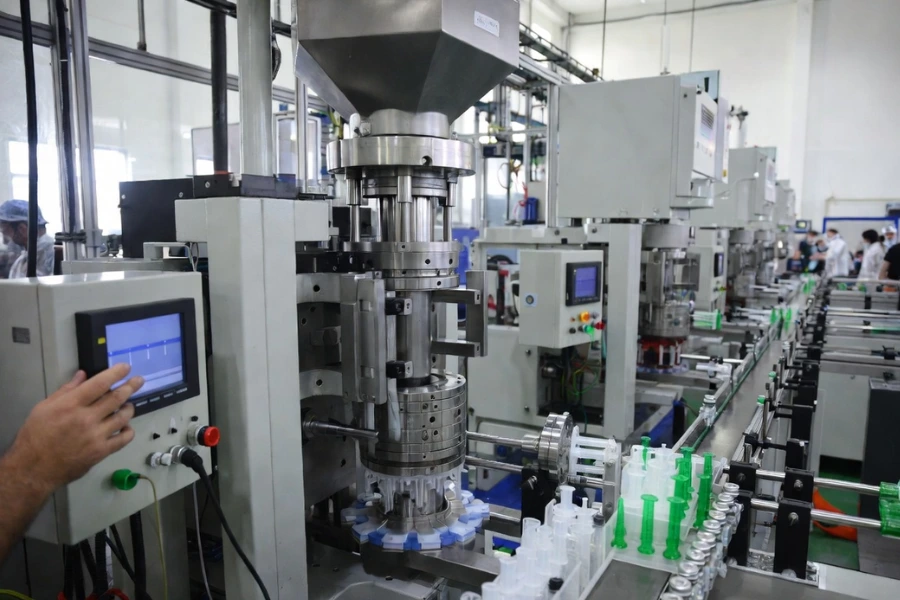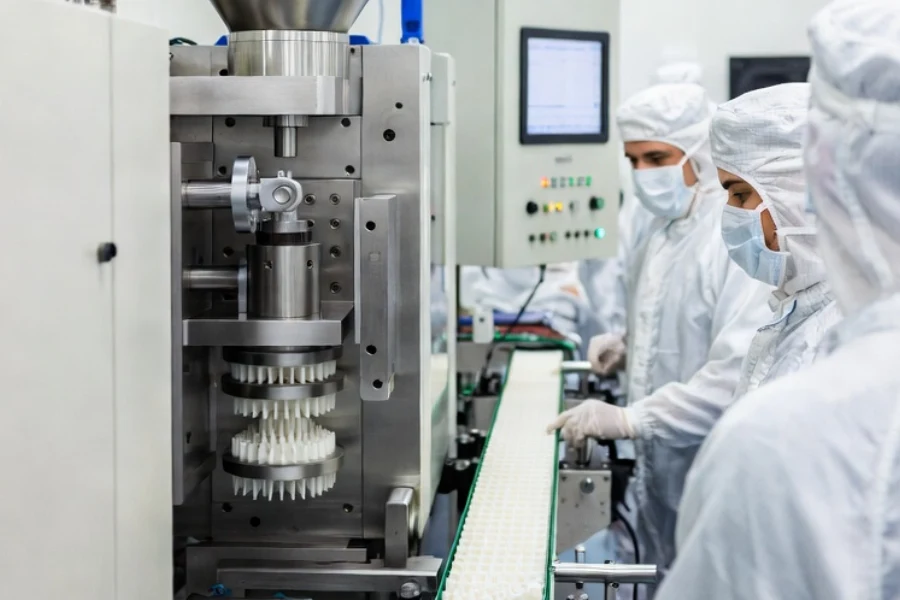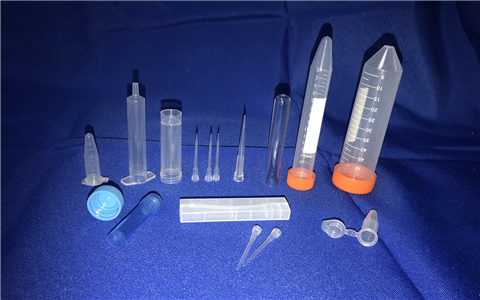
Medical injection molding manufacturers operate in a domain where precision, material integrity, and repeatability are non-negotiable, as even minor deviations in product quality can have direct consequences for patient safety, clinical outcomes, and regulatory compliance. To ensure that every component meets these stringent standards, companies implement comprehensive testing and verification processes that begin at the raw material stage and continue through to final product inspection, dimensional assessment, performance evaluation, and statistical process control, thereby providing a reliable, traceable, and reproducible production environment. These processes not only safeguard the end-user but also enhance overall production efficiency, reduce defect rates, and strengthen regulatory adherence, highlighting the critical role of rigorous quality assurance in medical device manufacturing.
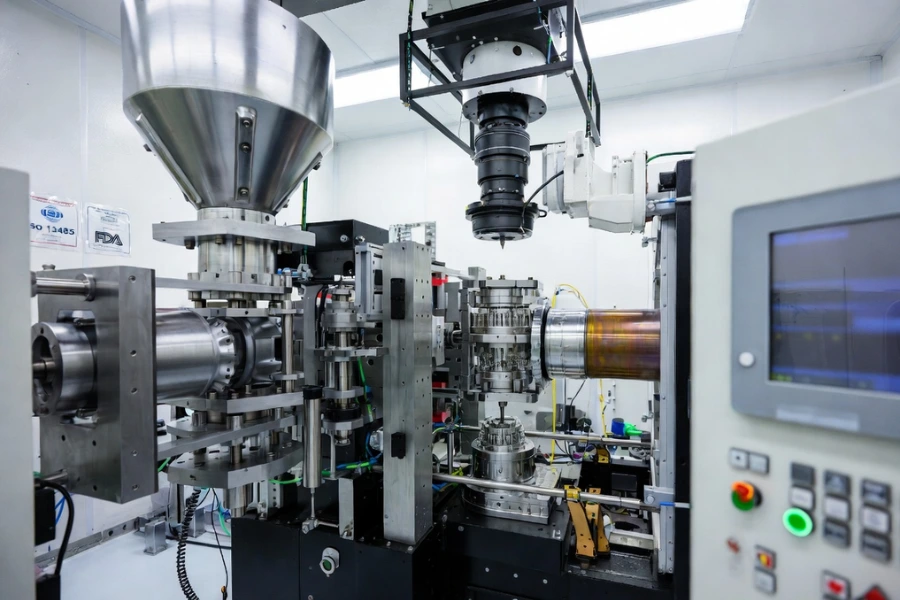
Introduction: The Critical Role of Testing in Medical Injection Molding
Testing and verification in medical injection molding are essential to ensure the structural, functional, and regulatory compliance of components, particularly when they are used in applications such as surgical instruments, implantable devices, or single-use disposables. By combining the precision engineering principles described in Plastic Molding and Mold Design with advanced inspection techniques employed by industry leaders, manufacturers can identify potential defects early, adjust process parameters in real time, and verify that the finished components consistently meet design specifications. Moreover, these testing systems form the foundation for supporting downstream secondary operations, such as assembly, overmolding, or surface finishing, while providing clients with the confidence that every part adheres to industry and internal quality standards.
Raw Material Inspection: Controlling Quality from the Source
Supplier Qualification
The first step in quality assurance involves verifying the credentials of raw material suppliers, ensuring that they possess both legal certification and a proven track record for producing medical-grade plastics. This initial vetting mitigates the risk of introducing substandard materials into production and establishes a baseline of trust and traceability, supported by material selection capabilities.
Batch Certification and Physical Property Testing
Each batch of raw materials is accompanied by certification and analysis reports, confirming compliance with medical industry standards and the company’s internal specifications. Key physical properties, including melt flow rate, density, tensile strength, and flexural modulus, are systematically evaluated using specialized instruments, because deviations in these parameters can directly affect dimensional accuracy, mechanical performance, and the functional reliability of molded parts. For instance, a polymer with an excessively high melt flow rate could shrink unpredictably during molding, whereas insufficient tensile strength could result in breakage during clinical use, making rigorous testing imperative. Examples include ABS plastic molding and nylon injection molding.
Production Process Monitoring: Ensuring Stability and Consistency
Machine Parameter Control
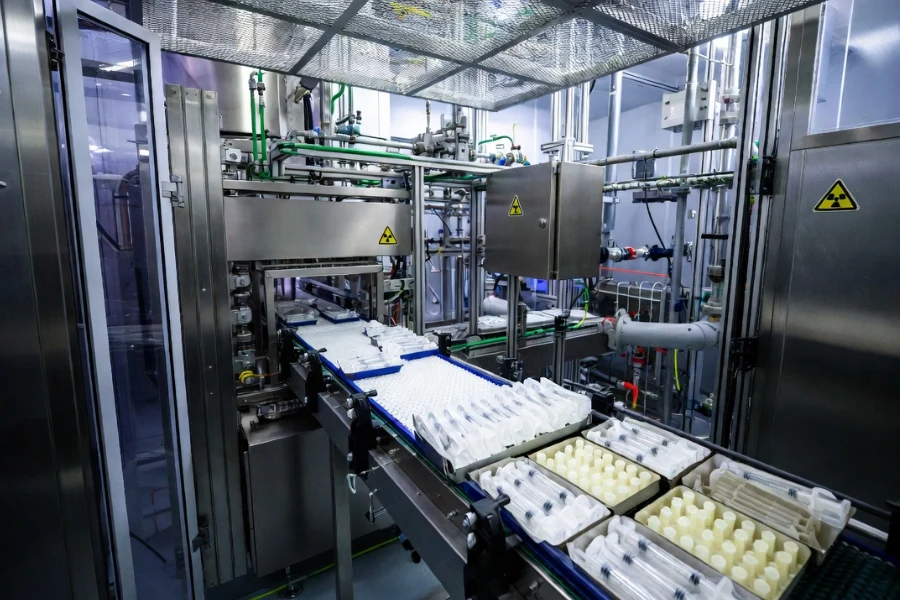
During injection molding, continuous monitoring of process parameters such as barrel temperature, injection pressure, screw rotation speed, and hold time is essential to maintain product consistency. Excessive barrel temperature can lead to polymer decomposition, bubbles, or black spots, while insufficient temperature may prevent complete cavity filling, producing short shots. By integrating real-time sensors and automated alarms, operators can intervene immediately to correct deviations and prevent the production of defective components, facilitated by cleanroom injection molding capabilities.
Mold Condition Checks
Regular inspection and maintenance of molds, including vent slots, cooling channels, and cavity surfaces, ensure that molds remain in optimal condition throughout production. Any indication of flash, burrs, or abnormal wear triggers immediate corrective actions, preventing systematic defects and linking to mold-making services.
Product Appearance Inspection: Detecting Surface and Visual Defects
Manual Visual Inspection
Highly trained quality inspectors perform systematic visual examinations to detect scratches, cracks, deformation, color inconsistencies, or surface impurities. This method remains vital for components with stringent aesthetic or functional requirements, as even minor imperfections in surgical instruments or critical device housings can affect usability.
Automated Visual Inspection
Advanced automated systems use high-definition cameras and image processing algorithms to scan components from multiple angles, identifying defects that might escape human detection. This approach improves detection efficiency, consistency, and overall quality levels, while minimizing the influence of human error, complemented by micro injection molding services.
Dimensional Accuracy Verification: Meeting Design Specifications
Basic Measurements
For routine measurements of length, width, and height, tools such as calipers or micrometers provide rapid and reliable verification. These simple instruments help confirm compliance with dimensional tolerances at the component level.
Complex Geometries and Coordinate Measuring
For more intricate features, including apertures, roundness, or flatness, coordinate measuring machines (CMMs) or optical projectors enable precise three-dimensional verification against CAD models. This ensures that critical features adhere to design specifications and maintain functionality within assemblies, linked with medical insert molding capabilities.
Compliance with Tolerances
By regularly validating dimensions and geometric consistency, manufacturers can detect early signs of mold wear, equipment drift, or process deviation, allowing timely intervention before defective parts are produced.
Performance Testing: Validating Functional and Biological Reliability
Physical Property Testing
Components are subjected to physical performance testing, evaluating factors such as strength, hardness, toughness, and wear resistance. For example, a disposable syringe piston undergoes sealing tests to prevent leakage, while orthopedic implant components are tested for fatigue strength to simulate in-body stress cycles. These services integrate with OEM medical component capabilities.
Chemical Property Testing
Testing also evaluates chemical stability, corrosion resistance, and potential leachable substances, ensuring compatibility with body fluids and various chemicals the device may contact during use.
Biological Property Testing
Biological evaluations include cytotoxicity, sensitization, irritation, and implantation tests to confirm that materials do not provoke adverse cellular or tissue responses, guaranteeing safety for clinical application.

Sampling Inspection and Statistical Process Control
Sampling Plans
Final product assessment often involves batch sampling according to predetermined statistical plans. This approach provides a representative measure of the quality of the entire production lot, ensuring that all units meet the required standards.
Statistical Process Control (SPC)
SPC techniques monitor production stability by tracking quality data over time and highlighting deviations from control limits. By identifying trends or anomalies early, manufacturers can intervene proactively to maintain consistent quality and prevent defective products from reaching the market, supported by medical device contract manufacturing services.
Integration with Secondary Services
Testing and verification seamlessly integrate with secondary operations, such as medical device assembly and medical device packaging, enhancing overall process reliability, accelerating production timelines, and ensuring end-to-end quality control. These coordinated capabilities exemplify how technical expertise, process monitoring, and secondary operations collectively support precision and regulatory compliance.
Conclusion: Ensuring Reliability, Safety, and Compliance
A comprehensive quality testing system encompassing raw material inspection, process monitoring, visual and dimensional evaluation, performance testing, and SPC is indispensable in medical injection molding. By implementing rigorous verification protocols and integrating secondary services, manufacturers such as SeaSkyMedical ensure that every component meets the highest standards for reliability, safety, and regulatory compliance, providing clients with confidence in their medical device production and reducing risk throughout the manufacturing lifecycle.
FAQ: Medical Injection Mold Testing and Verification
Q1: How do manufacturers detect defects early in production?
Through raw material testing, real-time process monitoring, automated visual inspection, and frequent dimensional checks, manufacturers identify deviations before defective units accumulate, supported by product development capabilities.
Q2: What instruments are used for dimensional accuracy?
Calipers, micrometers, optical projectors, and coordinate measuring machines provide precise measurements for both simple and complex geometries, ensuring components meet design tolerances.
Q3: How is biological safety tested for medical injection molded parts?
Biocompatibility testing includes cytotoxicity, irritation, sensitization, and implantation assays, confirming that materials do not provoke adverse biological responses.
Q4: How does statistical process control improve quality?
SPC monitors production data over time, identifies trends or anomalies, and enables proactive corrections, ensuring consistent quality across batches.
Q5: Can testing be combined with secondary services?
Yes, verification integrates with secondary operations such as assembly, packaging, and mold optimization to provide a fully controlled, compliant, and reliable manufacturing process.