Introduction: Evaluating Cleanroom Investment Against Operational Expenses

Cleanroom environments are indispensable in sectors such as medical device contract manufacturing, pharmaceuticals, and precision electronics, where controlling airborne particulates, microbial contamination, and environmental conditions such as temperature and humidity is critical to maintaining product safety and regulatory compliance. Implementing these controlled spaces requires substantial capital outlay for construction and specialized systems, as well as continuous operational expenditure for maintenance, energy, and validation processes. Decision-makers must therefore carefully weigh the benefits of enhanced contamination control against the costs, considering both short-term operational impacts and long-term regulatory and quality advantages, as even brief interruptions in production can result in significant financial losses.
Key Factors Influencing Cleanroom Costs
ISO Classification Levels and Filtration Requirements
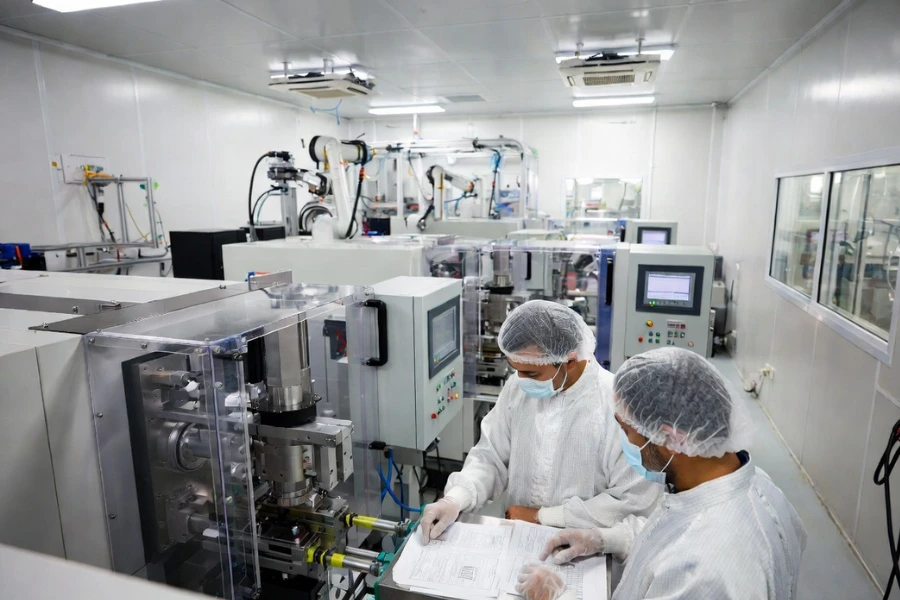
The classification of a cleanroom according to ISO standards strongly influences both initial investment and ongoing operational expenditure. Higher classifications, such as ISO 5 (Class 100) or ISO 4 (Class 10), necessitate increased air changes per hour, expanded coverage of HEPA or ULPA filtration, and precise environmental monitoring, all of which escalate costs compared to lower-grade ISO 8 (Class 100,000) facilities. The decision to pursue a higher classification should be guided by product risk, regulatory expectations, and the potential impact of contamination, as the incremental investment serves to minimize batch failures and compliance breaches while supporting critical patient-contact applications.
HVAC Systems and Environmental Control
Heating, ventilation, and air conditioning (HVAC) infrastructure represents one of the most significant operational cost drivers, particularly when maintaining tight tolerances such as ±1°C temperature and ±10% relative humidity. These requirements often necessitate custom air handling units, chillers, humidifiers, and specialized control systems, all running continuously to sustain positive pressure and filtered airflow. Loosening these environmental tolerances, for example from ±1°C to ±2°C, allows for standard HVAC solutions that can reduce both capital and energy costs by up to 40% without compromising the safety of less sensitive processes, particularly in cleanroom injection molding operations.
Material Selection and Construction Components
The choice of materials for cleanroom construction directly impacts both upfront and maintenance costs. Pharmaceutical and medical manufacturing environments typically require chemically resistant FRP wall panels and heat-welded vinyl flooring that can withstand frequent disinfection, while semiconductor and electronics applications demand static-dissipative walls and floors. Similarly, production of medical device packaging may involve TPE injection molding, ABS plastic molding or other specialty materials to reduce contamination risk, increasing procurement costs. Opting for industry-standard materials where allowable can reduce expenses, yet such decisions must balance cost savings against the necessity to meet regulatory and contamination-control standards.
Specialized Equipment and Mold Precision
Additional equipment such as air showers, automated roller doors, interlock mechanisms, and real-time particle monitoring systems further elevate costs, and cleanroom height increases necessitate additional filtration and structural reinforcement. While these features significantly mitigate contamination risks, particularly for high-precision or sterile products, facilities producing lower-risk components may selectively implement these features to optimize cost efficiency without compromising essential product protection. High-precision molding may involve mold making, micro-injection molding or medical insert molding services to ensure product conformity.
Labor, Consumables, and Maintenance
Operating a cleanroom entails ongoing investment in specialized personnel for HVAC and filtration system maintenance, compliance oversight, and employee training. Consumables, including HEPA filters, cleaning agents, disinfectants, and validation materials, contribute to recurring operational costs. Implementing preventive maintenance and monitoring schedules reduces the likelihood of unscheduled downtime but increases routine operational expenditure. Balancing the frequency of maintenance with risk mitigation strategies ensures that contamination events are minimized while cost control is maintained.
Regulatory Compliance and Validation
Regular audits and adherence to ISO 14644, FDA, MDR, or TGA standards require rigorous documentation, periodic environmental testing, and laboratory verification. These activities generate both direct costs, such as third-party testing, and indirect costs, such as internal staffing. Investing in compliance processes ensures continued market access and reduces the likelihood of regulatory penalties, representing a long-term financial safeguard despite the upfront expense.
Maintaining Production During Construction
Constructing or upgrading cleanrooms within active production areas introduces additional complexities and costs. Solutions such as modular prefabricated units, temporary isolation zones, and portable HVAC systems enable continued operations while mitigating contamination risks but require increased initial investment. Halting production entirely during construction can result in losses exceeding $200,000 per day, making carefully planned “non-disruptive” strategies economically advantageous despite higher upfront costs. SeaSkyMedical’s expertise in secondary operation services, including medical device packaging and assembly, can help mitigate these risks by providing modular and validated workflows.
Strategic Analysis of Trade-Offs
| Factor | High-Cost Requirements | Relaxed Requirements | Decision Considerations |
|---|---|---|---|
| ISO Level | ISO 5 or higher | ISO 8 | Direct patient contact or sterile barrier system requirement determines necessary cleanliness |
| Temperature/Humidity | ±1°C / ±5% RH | ±2°C / ±20% RH | Sensitive biological products or semiconductor processes require strict control; packaging may tolerate wider tolerances |
| Materials | ESD/chemical-resistant | Standard steel/PVC | Evaluate whether specialized materials are necessary for contamination control and regulatory compliance |
| Air Changes | 60–600 per hour | 20 per hour | Higher air changes remove contaminants faster but increase energy use; variable-frequency drives allow dynamic optimization |
| Equipment/Mold Precision | ±0.0007 inch | ±0.002 inch | Critical for sterile or high-precision products; standard industrial items tolerate wider tolerances and lower tooling cost |
| Production During Construction | Modular, temporary cleanrooms, real-time monitoring | Full shutdown | Balance lost revenue against investment in measures that prevent contamination during construction |
Cost Management Strategies Without Compromising Critical Requirements
Design Optimization: Employ modular construction, optimize ceiling height, and maintain high-grade conditions only in critical areas while non-essential zones adopt lower-cost standards. 3D prototype printing and custom plastic molding can be leveraged to plan efficient layouts.
Energy Management: Integrate variable frequency drives for HVAC, energy monitoring systems, and energy-efficient lighting to reduce consumption by 30–50%.
Maintenance and Consumables: Schedule preventive maintenance, implement condition-based filter replacement, and cross-train personnel to reduce specialized labor needs.
Construction Period Strategies: Use prefabrication, off-hours installation, and portable isolation units to maintain production while minimizing downtime.
Lean Practices and Outsourcing: Outsource non-critical tasks, use reusable temporary structures, and rent equipment to optimize lifecycle costs while maintaining compliance.
Decision Guide for Selecting Cleanroom Levels
Assess Product Risk: High-risk products (implants, sterile injectables, cardiac devices) require ISO 5–7 with full validation and monitoring. Medium-risk products (non-sterile patient-contact instruments, diagnostic housings) may be produced in ISO 7–8 environments. Low-risk products (packaging, non-medical components) may be processed in standard production areas with terminal sterilization.
Compare Against Regulatory Minimums: Follow FDA, MDR, and TGA guidelines; in the absence of explicit requirements, industry best practices (ISO 13485) may guide cleanroom level selection.
Quantify Cost vs. Contamination Risk: Estimate potential financial impact of contamination per batch and compare it with the annualized cost of maintaining different cleanroom classifications.
Plan for Future Expansion: Modular design and pre-reserved HVAC/HEPA capacity facilitate future upgrades without full reconstruction, reducing long-term investment. Services such as product development and OEM medical components can assist with scalable planning.
Integrated Soft Marketing
SeaSkyMedical provides end-to-end cleanroom design, construction, and operational support for ISO-compliant facilities. With modular solutions, validated procedures, and energy-efficient systems, SeaSkyMedical enables manufacturers to achieve contamination control and regulatory compliance while optimizing operational costs over the lifecycle. Contact SeaSkyMedical for tailored cleanroom solutions that align with your production requirements.
FAQ Highlights
Q: How should HVAC and filtration be pre-installed if upgrading from ISO 8 to ISO 7?
A: Reserve higher-capacity ducts, HEPA mounting points, and variable frequency drives to reduce future upgrade costs by 40–60%.
Q: How much does doubling cleanroom height affect cost?
A: Approximately 80–120%, due to increased air volume, additional HEPA filtration, and structural support requirements.
Q: What is the most effective energy-saving measure?
A: Installing variable frequency drives for fans, dynamically adjusting airflow based on particulate monitoring, yielding 30–50% HVAC energy savings.
Q: Are cleanrooms mandatory for medical packaging?
A: Sterile barrier systems typically require ISO 8+, but terminal sterilization may allow production in standard clean environments for lower-risk products.
Q: How can pressure gradients be maintained during active construction?
A: Use temporary HVAC systems to establish negative or positive pressure zones with continuous monitoring, costing $500–$2,000 per day but preventing batch losses.