Introduction Regulatory compliance as a manufacturing constraint, not a documentation task
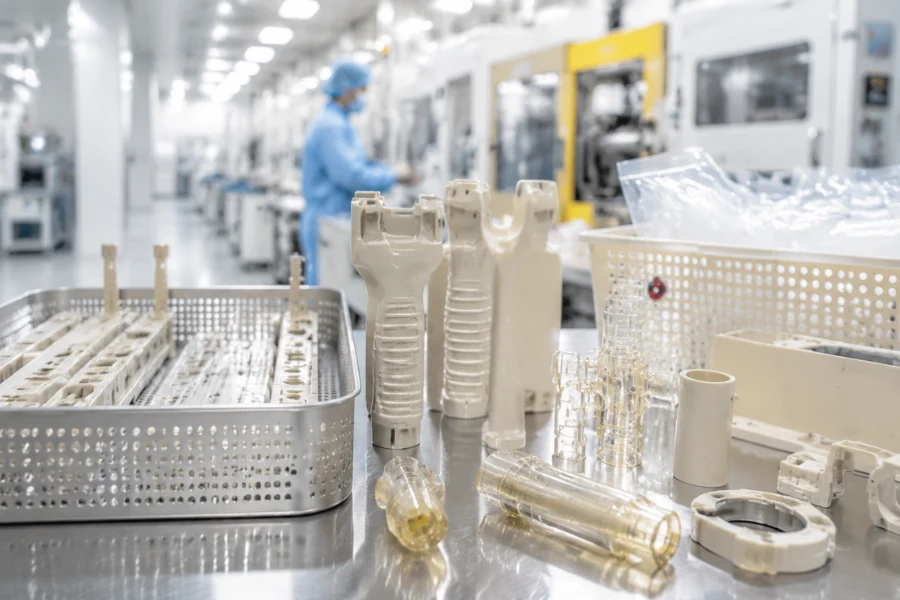
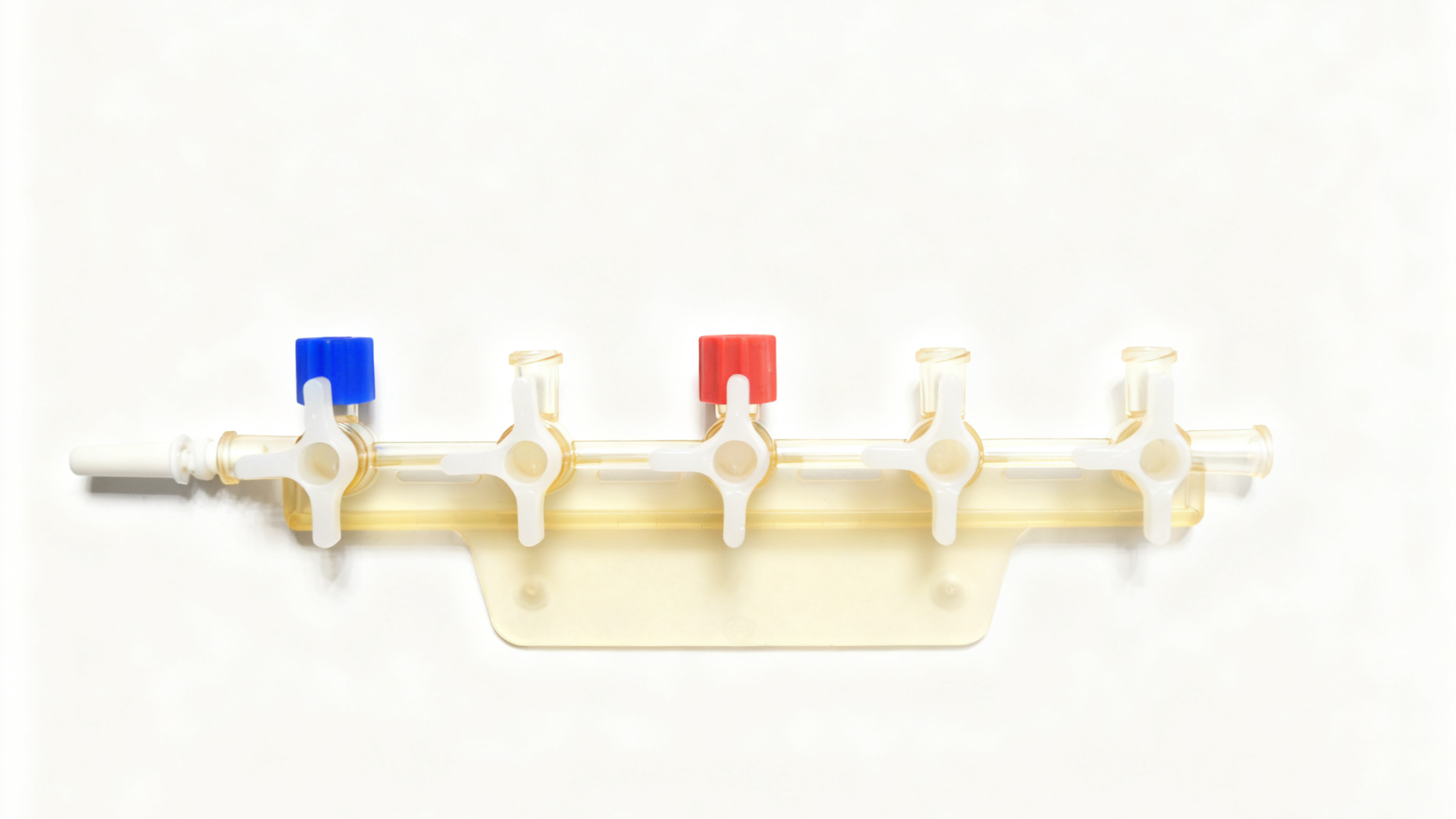
In highly regulated industries such as medical device manufacturing, pharmaceutical packaging, food contact products, automotive systems, and defense components, regulatory compliance functions not as an administrative requirement but as a fundamental manufacturing constraint that defines how materials are selected, how processes are validated, and how production systems are designed, while precision polymer processing technologies such as injection molding serve as a critical enabler for meeting these constraints through controlled, repeatable, and fully traceable production systems.
Modern regulatory frameworks including FDA 21 CFR requirements in the United States, ISO 13485 quality systems for medical devices, ISO 10993 biocompatibility standards, ISO 14644 cleanroom classifications, REACH chemical compliance in Europe, and ITAR export control regulations collectively establish a multi-layer compliance environment where manufacturers must demonstrate not only product quality but also process stability and documentation integrity across the entire lifecycle.
Within this environment, injection molding is best understood as a validated manufacturing system rather than a standalone forming technique, because its ability to maintain dimensional stability, process repeatability, and digital traceability directly aligns with the verification requirements of global regulatory authorities.
SeaSkyMedical integrates ISO-based quality systems and cleanroom controlled manufacturing environments to support regulated medical polymer production with stable process control and documentation-driven compliance workflows, supported by its broader capabilities in
medical plastic injection molding capabilities.
Why injection molding aligns with regulatory compliance requirements
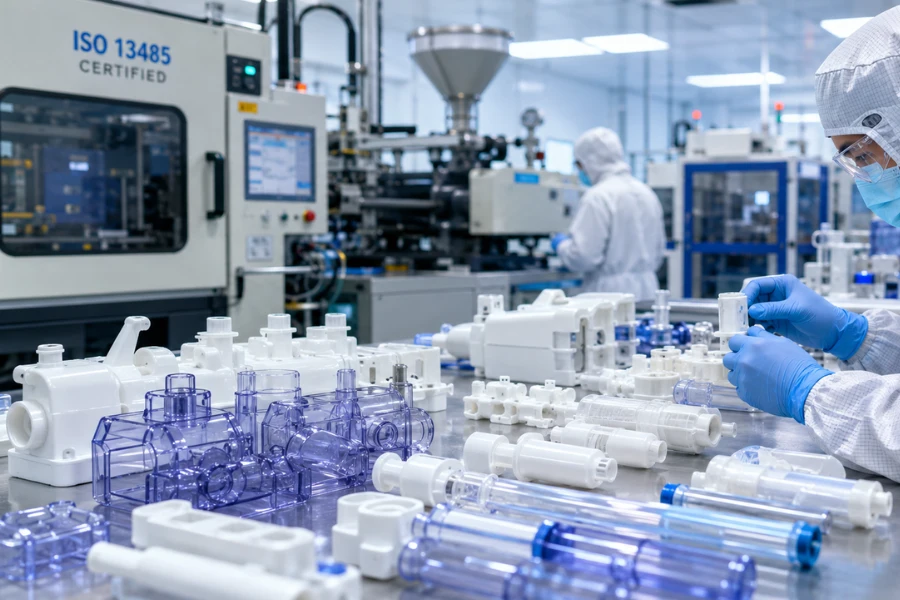
The alignment between injection molding and regulatory compliance is primarily driven by its inherent process controllability, where every stage of polymer transformation from melt preparation to cavity filling and cooling can be defined within validated process windows that ensure repeatable output characteristics across production batches.
Unlike non-controlled manufacturing methods, injection molding enables closed-loop process regulation through parameters such as melt temperature stability, injection pressure profiling, holding pressure consistency, and cooling rate control, which can be continuously monitored and recorded to support regulatory expectations for process validation and ongoing quality assurance.
This high level of controllability is further strengthened by
precision injection molding systems
which provide stable production frameworks for regulated manufacturing environments.
Scientific molding approaches combined with IQ/OQ/PQ validation methodologies ensure that production stability is statistically verified rather than assumed, enabling consistent compliance performance across long-term manufacturing cycles.
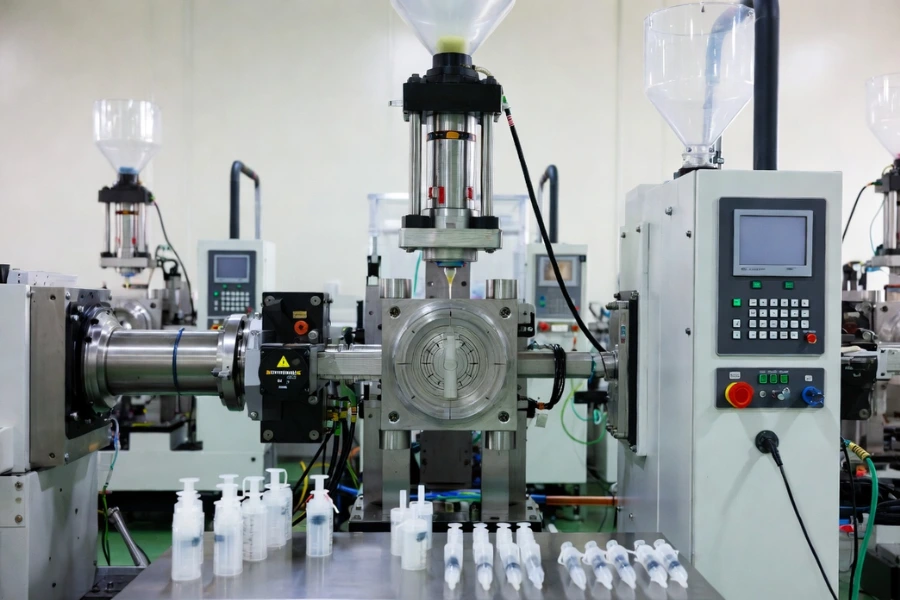
Injection molding systems can also be operated within ISO Class 7 or ISO Class 8 cleanroom environments through
cleanroom injection molding services
which significantly reduces contamination risks for medical and pharmaceutical applications.
Material flexibility further strengthens regulatory alignment, as systems can process FDA-compliant resins, USP Class VI materials, and biocompatible polymers, including elastomeric solutions such as
TPE injection molding materials
and
polypropylene medical-grade materials.
Key regulatory frameworks governing injection molding operations
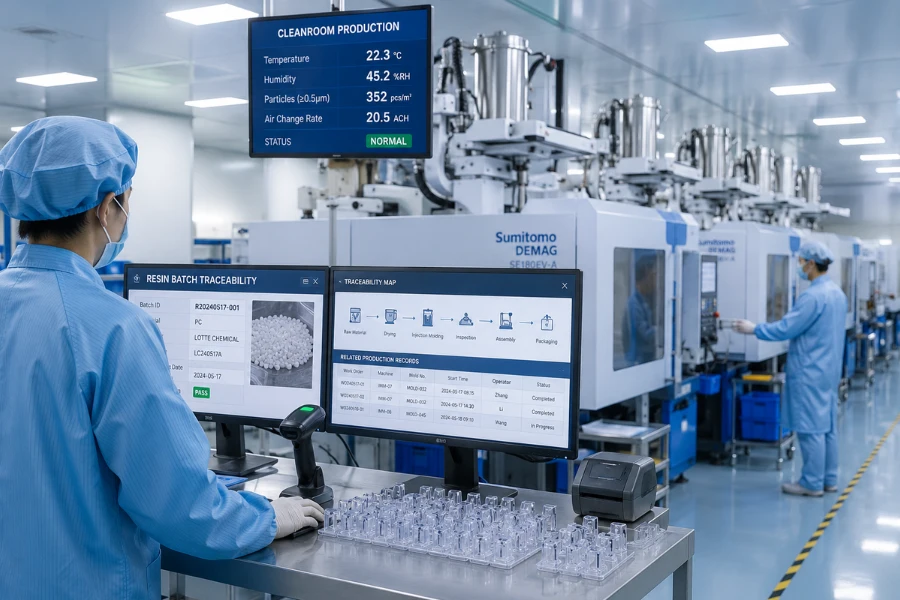
Injection molding operations in regulated industries must comply with a structured hierarchy of international standards that define requirements across quality management, material safety, environmental control, and documentation systems.
| Standard or Regulation | Application Scope | Injection Molding Relevance |
|---|---|---|
| FDA 21 CFR Part 820 | Medical device quality systems | Process validation, design control, CAPA, traceability |
| ISO 13485 | Medical device QMS | Risk management, supplier control, documentation systems |
| ISO 10993 | Biocompatibility evaluation | Material safety validation |
| ISO 14644 | Cleanroom classification | Environmental particulate control |
| FDA 21 CFR 170–199 | Food contact materials | Resin approval, migration limits |
| REACH / RoHS | Chemical substance regulation | Hazardous substance restrictions |
| ITAR | Defense manufacturing control | Export-controlled data handling |
| USP Class VI | Pharmaceutical material validation | Biological safety assurance |
These frameworks collectively define not only product requirements but also process governance structures, meaning that compliance is achieved through system-level control rather than end-product inspection alone.
Compliance control points across the injection molding lifecycle
4.1 Design stage DFM and compliance-driven engineering
At the design stage, compliance begins with Design for Manufacturability supported by
medical product development services
where component geometry is optimized to ensure stable filling behavior, predictable shrinkage compensation, and controlled residual stress distribution.
Simulation tools and early engineering support help identify risks before tooling begins, while rapid validation is supported through
3D prototype printing services.
Material selection is directly linked to regulatory feasibility, often requiring engineered thermoplastics such as
TPU injection molding materials
and
LSR injection molding materials
for high-performance medical applications.
4.2 Tooling precision as a validated manufacturing foundation
Injection mold tooling is a critical compliance control point because dimensional accuracy and thermal uniformity directly influence product repeatability.
Tool development is supported by
mold tool design services
and high-precision machining such as
CNC plastic machining capabilities
to ensure tight tolerance control.
For complex geometries, technologies such as
2K injection molding process
and
medical insert molding solutions
support multi-material integration and structural reliability.
4.3 Process validation and scientific molding control systems
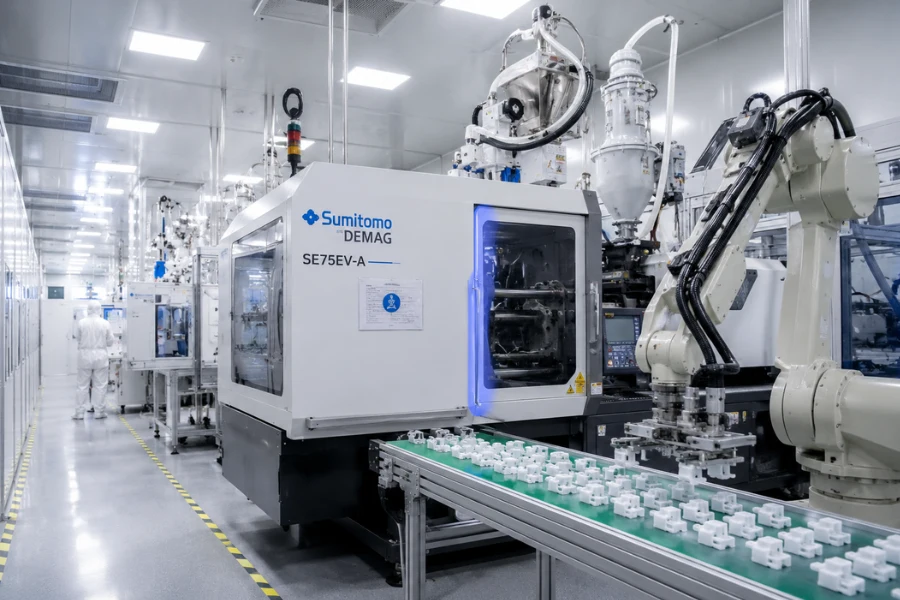
During production, injection molding operates within validated process windows defined through IQ/OQ/PQ methodologies, ensuring installation readiness, operational stability, and performance consistency.
Real-time monitoring systems track temperature, pressure, and cycle behavior, while statistical process control ensures early detection of process drift before quality deviations occur.
4.4 Cleanroom manufacturing and environmental control systems
Cleanroom injection molding environments classified under ISO 14644 standards provide controlled particulate conditions essential for sterile medical components.
Environmental stability is maintained through airflow control, humidity regulation, and strict operational procedures.
4.5 Quality assurance, assembly, and packaging systems
Quality systems extend beyond molding into post-processing operations, supported by
secondary operations services
which include finishing, inspection, and functional preparation.
Integrated systems such as
medical device assembly services
ensure product-level integration, while
medical device packaging solutions
support sterile-ready delivery requirements.
4.6 Documentation systems as compliance infrastructure
Regulatory compliance depends on structured documentation systems that capture production data across materials, equipment, and inspection stages.
These systems ensure traceability and audit readiness throughout the product lifecycle.
Industry-specific compliance priorities
| Industry | Application Examples | Compliance Focus |
|---|---|---|
| Medical | Surgical tools, implants | ISO 13485, ISO 10993 |
| Pharmaceutical | Syringes, closures | Zero-defect validation |
| Food contact | Packaging systems | FDA migration compliance |
| Defense | Controlled components | ITAR restrictions |
| Automotive | Functional precision parts | Process stability |
Best practices for maintaining regulatory compliance
Sustained compliance requires integration of material qualification, validated process control, environmental management, and documentation systems into a unified manufacturing architecture.
A complete manufacturing approach is typically achieved through
medical device contract manufacturing solutions
which combine engineering, production, and regulatory alignment into a single controlled workflow.
FAQ Regulatory compliance in injection molding environments
Does ISO 13485 guarantee FDA compliance in injection molding
ISO 13485 provides a structured quality system aligned with FDA expectations, but FDA compliance also requires regulatory registration and inspection readiness under 21 CFR Part 820 requirements.
What is the biggest compliance risk in injection molding
Process variability outside validated control limits is the primary risk factor affecting regulatory compliance.
Is cleanroom injection molding always required
Cleanroom environments are required for sterile and high-risk medical applications, depending on product classification.
How is traceability maintained
Traceability is ensured through integrated tracking of materials, process parameters, and inspection records.
Conclusion Injection molding as a validated compliance enabling system
Injection molding supports regulatory compliance as a validated manufacturing system capable of delivering repeatable, traceable, and controlled polymer production outcomes across regulated industries.
When combined with structured validation, cleanroom environments, and integrated quality systems, it transforms compliance from a regulatory burden into a manufacturing capability that improves reliability, reduces risk, and supports long-term market access.
SeaSkyMedical operates within this framework through ISO-aligned systems, cleanroom manufacturing environments, and integrated engineering capabilities designed to support regulated medical injection molding programs with stable and scalable production performance.