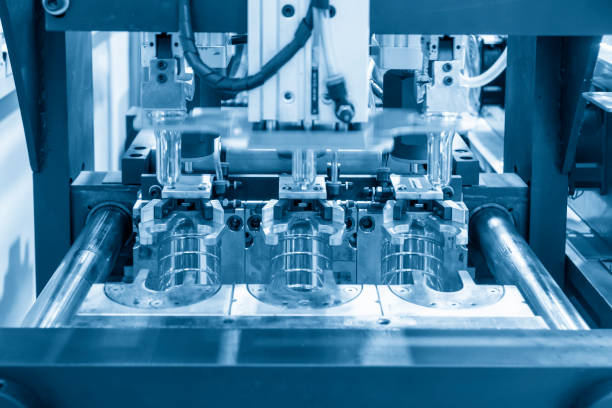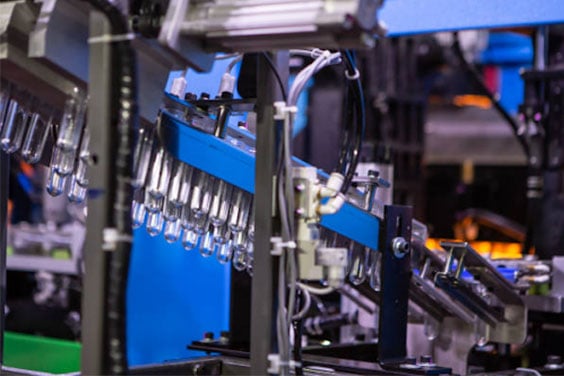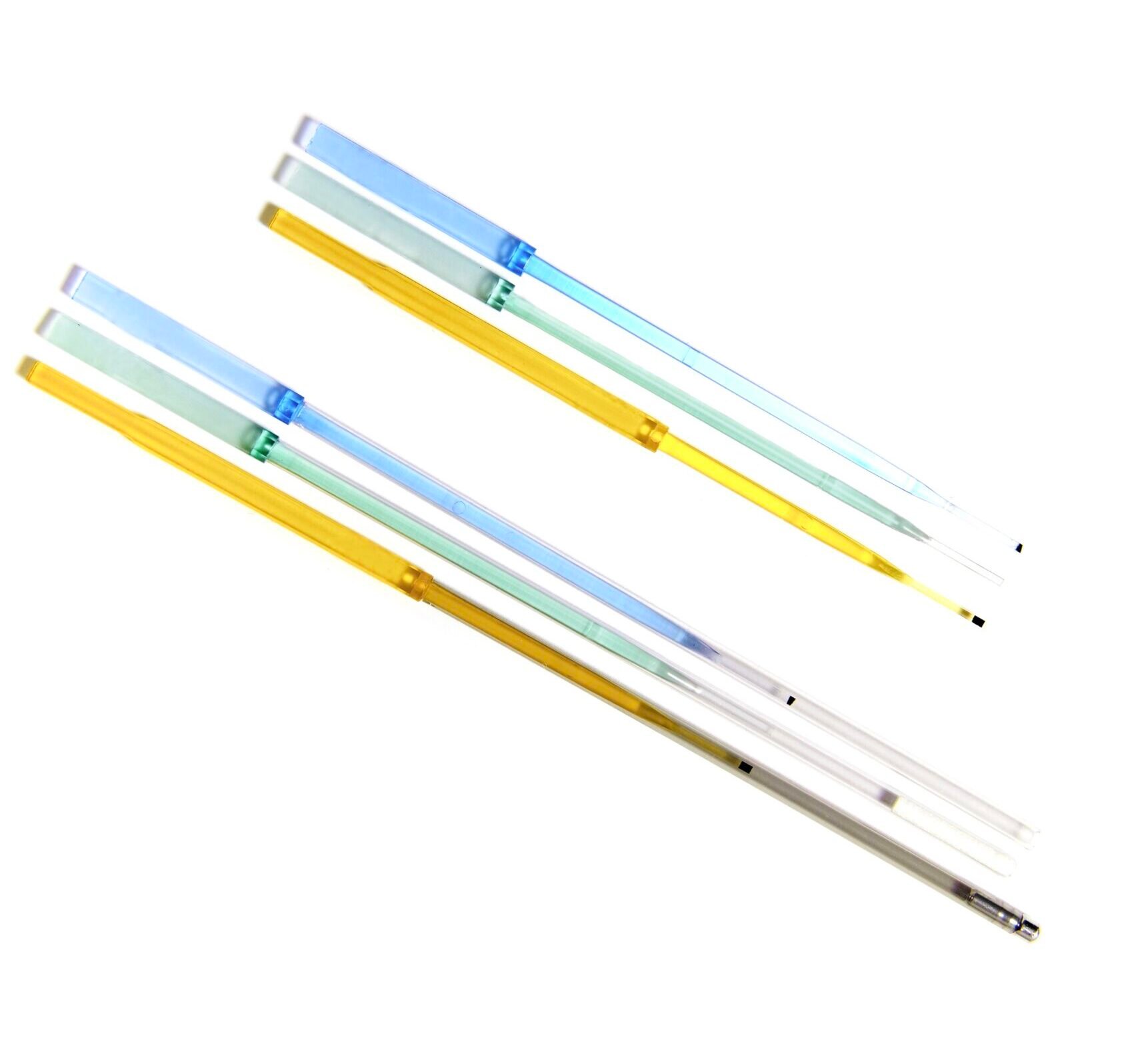
ISO 14644 defines how airborne particles are controlled in cleanroom environments. In medical injection molding, this directly affects contamination risk, process stability, and regulatory compliance.
If particle levels are not controlled, molded parts may carry contamination that cannot be removed later. This is why cleanroom standards are integrated into the manufacturing process rather than treated as a separate requirement.
What ISO 14644 Defines in Practical Terms
ISO 14644 classifies cleanrooms based on allowable particle concentration. Each class sets limits on how many particles can exist in a defined air volume.
In medical molding, the most common environments are:
- ISO Class 7 for controlled molding processes
- ISO Class 8 for supporting operations such as assembly and packaging
What this means on the production floor
- Air is continuously filtered through HEPA systems
- Clean air is supplied in controlled flow patterns
- Pressure differences prevent external contamination
- Particle levels are monitored and recorded
ISO 14644 does not define how parts are molded. It defines how clean the environment must remain while molding takes place.
How Cleanroom Requirements Change Injection Molding
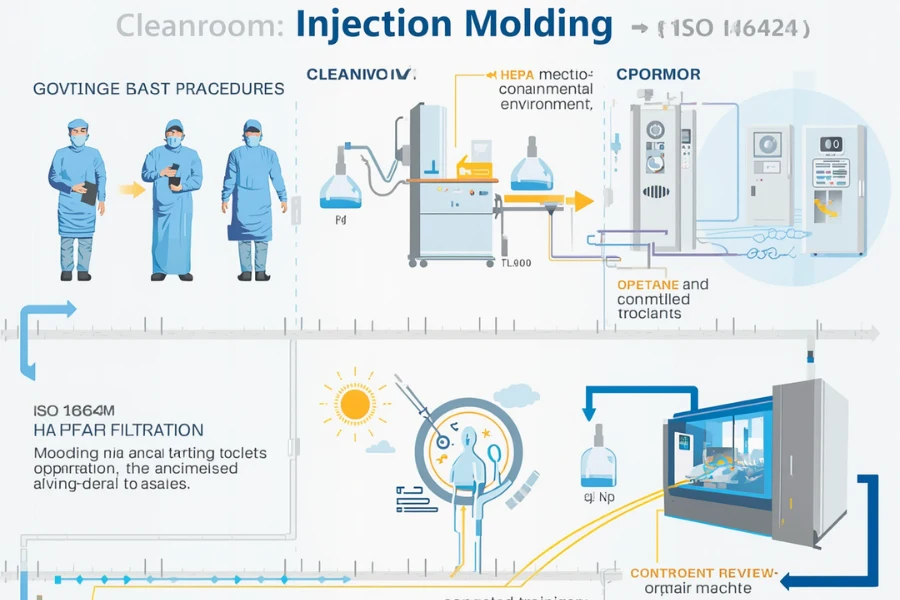
Medical injection molding inside a cleanroom injection molding environment is not a standard process placed in a cleaner space. The workflow itself is redesigned to reduce contamination sources.
Key changes compared to standard molding
| Process Step | Standard Injection Molding | Cleanroom Injection Molding |
|---|---|---|
| Material handling | Open transfer systems | Sealed conveying and controlled entry |
| Machine design | Hydraulic or mixed systems | Low-particle or all-electric systems |
| Operator interaction | Manual handling common | Minimized through automation |
| Environment | Ambient factory air | Controlled airflow and filtration |
These changes are required to maintain particle limits defined by ISO 14644.
ISO Class 7 vs Class 8 in Medical Applications
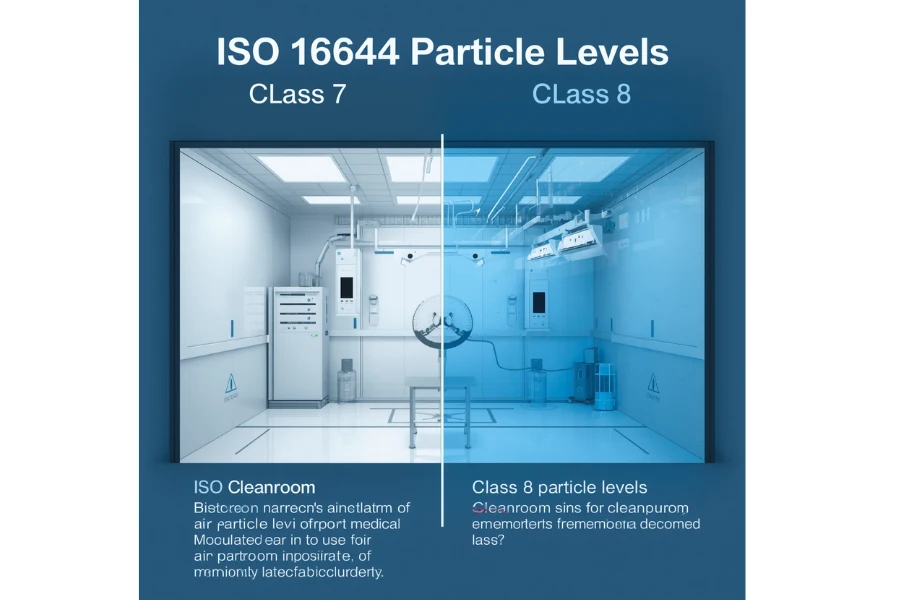
Selecting the correct cleanroom class depends on product risk and exposure.
Typical usage
| Cleanroom Class | Application Scope |
|---|---|
| ISO Class 7 | Components with direct or indirect fluid contact |
| ISO Class 8 | Non-critical parts and secondary processes |
Decision factors
- Contact with sterile pathways
- Device classification and regulatory requirements
- Sensitivity to contamination
- Post-processing and sterilization methods
Higher cleanliness levels increase operational cost and complexity. The selected class must match product requirements rather than exceed them.
How ISO 14644 Affects Each Stage of the Molding Process
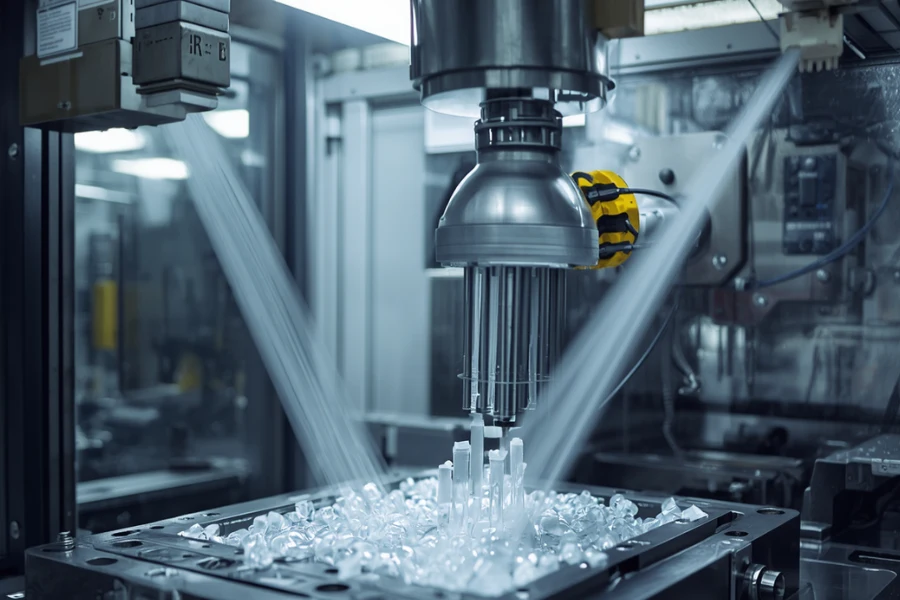
ISO 14644 influences how every step is controlled, from raw material entry to final packaging.
1. Material preparation
- Materials are stored in sealed containers
- Drying and transfer systems are enclosed
- Exposure time to ambient air is limited
If material absorbs moisture or contaminants, it can affect melt behavior and surface quality.
2. Mold and machine preparation
Cleanroom-compatible tooling begins with proper injection mold manufacturing and early-stage product development for medical injection molding.
- Mold surfaces are cleaned and maintained under controlled conditions
- Lubricants and components are selected to reduce particle generation
- Equipment design minimizes oil leaks and airborne emissions
In many cases, all-electric machines are used to reduce contamination sources.
3. Injection and forming
- Laminar airflow is directed over the mold area
- Particle monitoring ensures limits are maintained during molding
- Process parameters are stabilized through controlled temperature and humidity
This reduces variability in shrinkage and improves dimensional consistency.
4. Part removal and handling
- Automated systems remove parts to avoid manual contact
- Critical surfaces are protected from exposure
- Transfer paths are designed to prevent cross-contamination
For complex assemblies, processes such as medical insert molding are often used to reduce downstream handling steps.
5. Packaging and downstream operations
- Parts are transferred directly into controlled packaging zones
- ISO Class 8 environments are often used for secondary handling
- Environmental data is recorded for traceability
Controlled medical device packaging ensures that cleanliness is maintained after molding.
Key Systems That Maintain ISO 14644 Compliance
Cleanroom injection molding relies on integrated systems working together.
Core systems
- HEPA filtration to remove fine particles
- Positive pressure to prevent external contamination
- Laminar airflow to protect critical zones
- HVAC systems to maintain stable temperature and humidity
- Particle monitoring to verify air quality in real time
These systems form the environmental baseline required by ISO 14644.
Relationship Between ISO 14644 and ISO 13485
ISO 14644 and ISO 13485 address different aspects of medical manufacturing.
| Standard | Role in Production |
|---|---|
| ISO 14644 | Controls environmental cleanliness |
| ISO 13485 | Controls quality management and traceability |
In practice:
- Cleanroom data supports process validation
- Environmental conditions are linked to production records
- Risk management includes contamination control
Without environmental control, maintaining consistent and auditable processes becomes difficult.
Why ISO 14644 Matters in Medical Injection Molding
ISO 14644 is directly linked to product safety and manufacturing reliability.
If cleanliness is not controlled
- Particulate contamination may enter fluid pathways
- Surface defects may affect sealing or performance
- Microbial presence may compromise sterility
If cleanliness is controlled
- Product consistency improves
- Risk of batch rejection is reduced
- Regulatory compliance becomes achievable
The standard defines the acceptable limits for these risks.
Advantages and Limitations of Cleanroom Injection Molding
Advantages
- Reduced contamination risk
- Improved dimensional consistency
- Stable process conditions
- Alignment with regulatory expectations
Limitations
- Higher facility and operating costs
- Increased process complexity
- Strict personnel and material control
- Longer validation and setup time
Cleanroom molding is applied where these constraints are justified by product requirements.
Typical Applications Requiring ISO 14644 Control
Applications include:
- Syringes and injection systems
- Catheters and fluid delivery components
- Diagnostic device housings
- Microfluidic components
- Drug delivery and respiratory devices
For high-precision parts such as microchannels, processes like micro injection molding are often applied to maintain tight tolerances.
Implementing Cleanroom Injection Molding in Practice
Maintaining ISO 14644 conditions requires coordination across multiple stages, from early design to final delivery.
Typical implementation approach
- Design for manufacturability to reduce contamination risk
- Prototype validation using 3D prototyping
- Mold development and controlled production setup
- Integration of molding, assembly, and packaging within controlled zones
This full-process approach is commonly used in medical plastic injection molding solutions where consistency and traceability are required across all stages.
For projects requiring full lifecycle support, integrated OEM medical components manufacturing helps reduce handoffs and maintain process control.
Contact SeaSkyMedical for more information
FAQ
What is ISO 14644 in medical injection molding
ISO 14644 defines cleanroom classifications based on airborne particle limits. In medical injection molding, it determines how clean the production environment must be to reduce contamination risks and support consistent manufacturing outcomes.
What is the difference between ISO Class 7 and Class 8
ISO Class 7 allows fewer airborne particles than Class 8 and is used for higher-risk components. Class 8 is typically used for secondary operations where contamination sensitivity is lower.
Does ISO 14644 guarantee sterility
No. ISO 14644 controls airborne particles, not sterility. Sterility is achieved through additional processes such as sterilization. Cleanroom control helps reduce contamination before sterilization.
How do manufacturers maintain cleanroom conditions
Manufacturers use HEPA filtration, controlled airflow, positive pressure, and environmental monitoring systems. Automation and controlled material handling reduce contamination introduced by operators and external exposure.