What documentation means in medical molding compliance
In medical injection molding, particularly within structured services such as medical device contract manufacturing, regulatory compliance is established through a controlled documentation system that records how products are designed, validated, manufactured, and inspected across the entire lifecycle.
Each document serves as verifiable evidence that manufacturing processes remain consistent, materials are traceable, and quality requirements are met under real production conditions, which allows regulators and auditors to confirm that the process is both repeatable and controlled.
Core documentation required for regulatory compliance in medical molding
Quality management system documentation
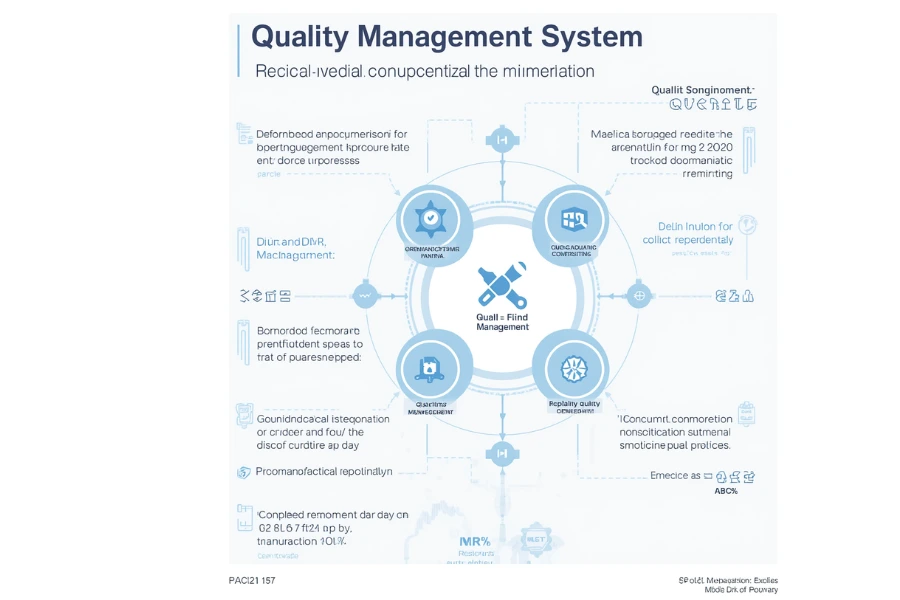
A documented Quality Management System defines how all manufacturing and quality activities are executed, controlled, and updated, ensuring that every process is supported by approved procedures and traceable records.
Documents such as Standard Operating Procedures, work instructions, and controlled records define how tasks are performed, while Device Master Records establish the complete manufacturing definition of a product including materials, tooling requirements developed through mold making and process definitions aligned with medical plastic injection molding practices.
Device History Records then capture the actual execution of each production batch, linking process data, inspection results, and deviations into a single traceable record, which allows auditors to verify that production followed validated conditions.
Process validation documentation
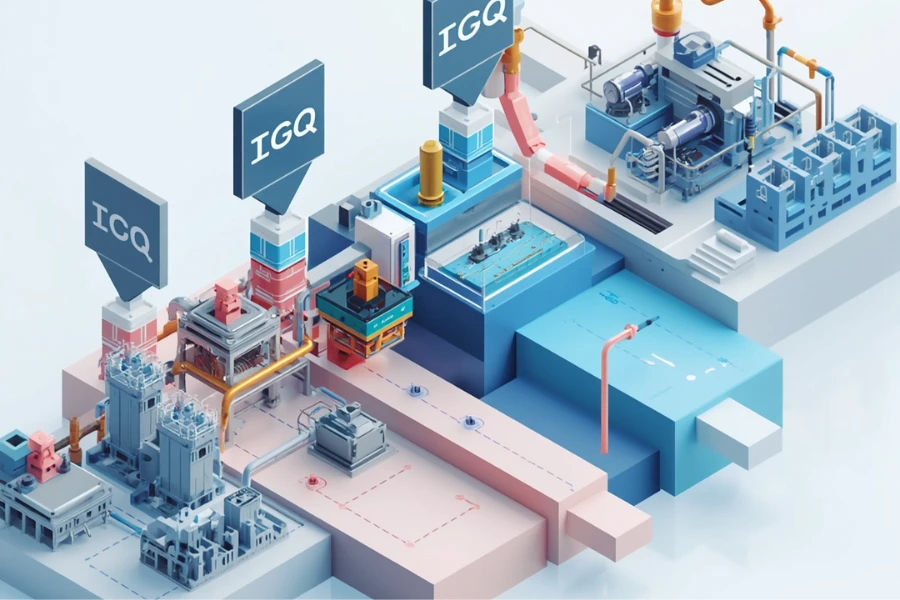
Process validation documentation demonstrates that the injection molding process is capable of producing consistent and compliant parts under defined operating conditions, which is a core requirement under ISO 13485 and FDA quality system regulations.
Installation Qualification, Operational Qualification, and Performance Qualification records establish equipment readiness, define acceptable process parameter windows, and confirm repeatability across multiple production runs, typically supported by statistical indicators such as CpK values above 1.33 for critical dimensions.
These processes are often implemented within controlled environments such as cleanroom injection molding and precision-driven workflows like micro injection molding, where documentation ensures that process variation remains within validated limits.
Material and traceability documentation
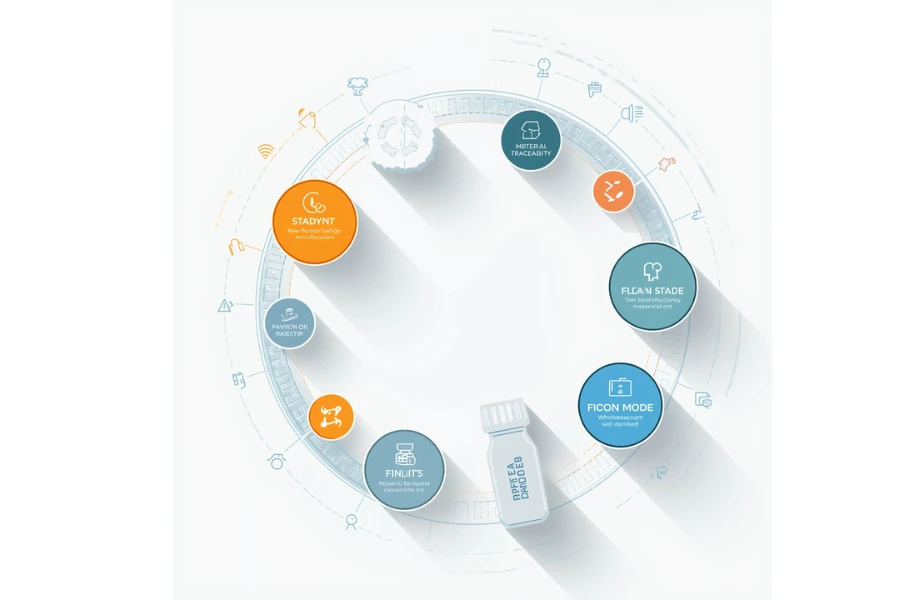
Material documentation ensures that all raw materials meet regulatory and performance requirements while remaining fully traceable from supplier to finished product.
Certificates of analysis, supplier qualification records, and biocompatibility documentation confirm that materials comply with relevant standards, while lot traceability records connect raw material batches to production runs and finished components.
In practice, material documentation is closely tied to selection strategies, where applications such as TPU injection molding, ABS plastic molding, or nylon injection molding are evaluated within broader material selection frameworks to ensure regulatory compatibility and performance stability.
Production and batch documentation
Production documentation records the actual manufacturing conditions for each batch, including process parameters such as melt temperature, injection pressure, cooling time, and cycle consistency, alongside operator actions and equipment status.
Device History Records integrate this data with inspection results and deviation records, creating a complete and auditable history of each production lot, often aligned with broader plastic injection molding or custom plastic molding workflows where consistency across runs is critical.
Inspection and quality control documentation
Inspection documentation provides objective evidence that molded components meet defined specifications through structured verification activities.
This includes First Article Inspection reports, statistical process control data, dimensional measurement records, and automated inspection outputs, which together demonstrate that critical features remain within tolerance throughout production.
In addition, documentation from downstream processes such as secondary operation and medical device assembly ensures that post-molding activities remain controlled and traceable.
Risk management documentation
Risk management documentation captures how potential hazards are identified, evaluated, and mitigated throughout the product lifecycle, ensuring that risks are reduced to acceptable levels before and during production.
Documents such as risk analysis reports and FMEA studies link design decisions, material selection, and process controls to specific risk reduction measures, demonstrating that safety considerations are embedded within manufacturing systems.
Cleanroom and environmental monitoring documentation
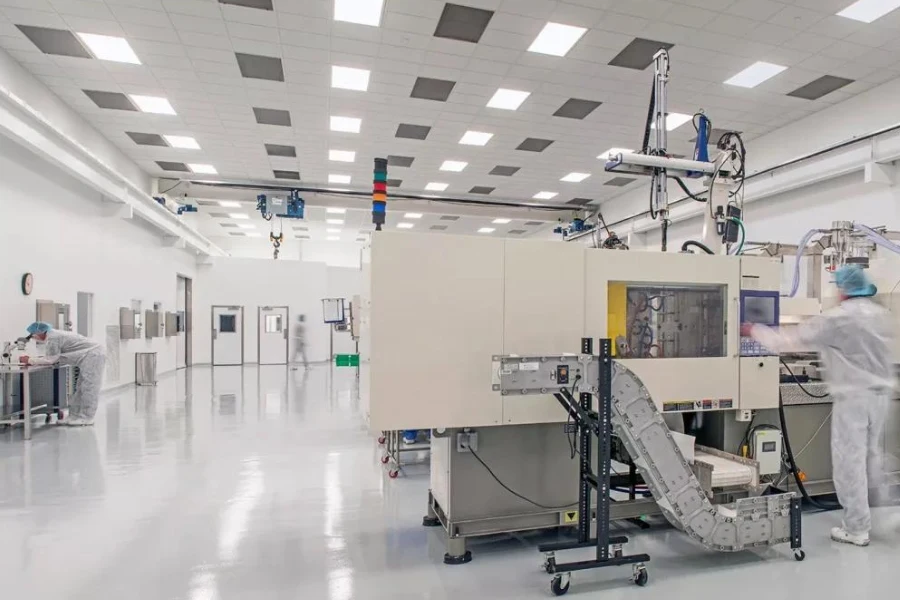
Environmental monitoring records demonstrate that manufacturing conditions remain controlled in cleanroom environments where contamination could affect product safety or performance.
Particle counts, microbial monitoring data, temperature and humidity logs, and pressure differentials are recorded and linked to production timelines, often within structured medical plastic injection molding environments where contamination control is critical.
Sterilization and biocompatibility documentation
Sterilization and biocompatibility documentation provide evidence that products are safe for their intended medical use and maintain their performance after sterilization.
Validation reports for sterilization processes, biological indicator testing data, sterility assurance calculations, and residual analysis results demonstrate that sterilization is effective and does not compromise material integrity.
Design transfer and change control documentation
Design transfer documentation ensures that product design outputs are accurately translated into manufacturing processes, linking design specifications to tooling, process parameters, and inspection requirements.
This process is often supported by capabilities such as product development and early-stage tooling planning through free mold tool design, while change control documentation ensures that any modification is evaluated, validated, and approved before implementation.
Regulatory submission and audit documentation
Regulatory documentation supports product approval and ongoing compliance by providing structured evidence that manufacturing processes, materials, and quality systems meet applicable requirements.
This includes technical documentation, validation summaries, risk management files, and audit records, which together demonstrate that the organization is prepared for regulatory review and capable of maintaining compliance over time.
How documentation supports regulatory audits
During regulatory audits, documentation is reviewed as an interconnected system rather than as isolated records, with auditors typically tracing a product from raw material through production, inspection, and final release to verify consistency and control.
They often begin with Device History Records, cross-check material traceability, review validation data, and assess CAPA records, meaning that gaps in documentation can quickly indicate broader weaknesses in process control.
Common documentation gaps in medical molding
Common documentation gaps include incomplete traceability between raw materials and finished products, insufficient statistical support in validation studies, and CAPA records that do not clearly demonstrate root cause analysis or effective closure.
In some cases, environmental monitoring data may not be properly linked to production batches or process changes may be implemented without full validation, which creates compliance risks.
Practical considerations for maintaining compliant documentation
Maintaining compliant documentation requires integrating data collection into the manufacturing process so that records are generated naturally during production rather than added afterward.
Manufacturers with integrated capabilities across design, tooling, molding, and controlled production environments are generally better positioned to maintain consistent documentation while supporting efficient scaling from prototype to mass production.
FAQ
Q1: What is the difference between DMR and DHR in medical molding?
The Device Master Record defines how a product should be manufactured, including specifications, materials, and process requirements, while the Device History Record captures the actual production data for each batch. Together, they provide both the manufacturing baseline and the traceable evidence required to demonstrate compliance during audits.
Q2: What documentation is required for process validation in medical injection molding?
Process validation documentation typically includes IQ, OQ, and PQ records supported by statistical analysis, defined parameter ranges, and repeatability data. These documents demonstrate that the molding process can consistently produce parts within specification under controlled conditions and are often reviewed first during regulatory audits.
Q3: How long must traceability documentation be retained?
Traceability documentation is generally retained for at least the expected lifetime of the medical device and no less than two years after final product release. For implantable or long-term use devices, retention periods are typically extended based on regulatory requirements to support post-market monitoring and potential investigations.
Q4: What is included in change control documentation for medical molding?
Change control documentation records any modification that may affect product performance, including material changes, tooling updates, or process adjustments. It typically includes change requests, risk assessments, validation requirements, approval records, and implementation tracking to ensure the validated state of production is maintained.
Q5: What environmental records are required for cleanroom molding?
Environmental documentation includes particle count data, microbial monitoring results, temperature and humidity logs, pressure differential records, and filter integrity tests. These records demonstrate that cleanroom conditions remain within defined limits and can be linked to specific production batches during audits.
Q6: What documents are typically included in a regulatory compliance package?
A regulatory compliance package typically includes quality certifications, material traceability records, validation summaries, inspection reports, environmental monitoring data, and risk management documentation. These documents are compiled to provide a complete and audit-ready overview of manufacturing compliance for customers or regulatory submissions.
Conclusion
Regulatory compliance in medical injection molding depends on a structured documentation system that connects design, materials, process validation, production control, and quality assurance into a traceable framework.
By maintaining complete and integrated documentation, manufacturers can demonstrate control, ensure product safety, and meet global regulatory expectations, while SeaSkyMedical supports this approach through integrated capabilities in OEM medical components and medical device contract manufacturing.