Introduction
The global medical device industry demands exceptional precision, regulatory compliance, and production scalability. Manufacturing medical injection molded parts—from disposable syringes to complex implantable components—requires strict adherence to international and regional standards. Manufacturers and procurement teams face the challenge of identifying partners who not only excel in medical plastic injection molding but also comply with FDA regulations, EU MDR directives, and ISO certifications. This guide systematically explains the regulatory frameworks, classification rules, quality standards, material considerations, and best practices necessary for compliant medical injection molded components, while demonstrating how SeaSkyMedical supports manufacturers in meeting these requirements.
Medical Device Classification as Regulatory Foundation
Risk-Based Device Classification
Medical devices are categorized according to risk to determine the applicable regulatory pathway. In the United States, the FDA classifies devices as:
- Class I (Low Risk): Test tubes, tongue depressors, and manual toothbrushes (some are 510(k) exempt).
- Class II (Moderate Risk): Contact lenses and infusion pumps, requiring 510(k) premarket notification.
- Class III (High Risk): Implantable pacemakers and prosthetic devices, requiring PMA and clinical data.
In Europe, the EU MDR subdivides devices into Classes I, IIa, IIb, and III, reflecting incremental risk levels and the need for clinical evaluation. Accurately classifying devices is critical; misclassification can delay product introduction, increase testing costs, or lead to regulatory non-compliance. Manufacturers should verify classification rules for each target market early in the design process.
Core Regulatory and Quality Standards
ISO 13485: Global Quality Management System
ISO 13485 is recognized as the gold standard for medical device quality management. Certified suppliers are required to maintain a documented Quality Management System covering all production steps, from mold design to cleanroom injection and packaging. Complete traceability of materials, production parameters, personnel, and inspection records must be maintained. Risk management protocols must identify and mitigate potential hazards such as contamination or microbial exposure. SeaSkyMedical operates under ISO 13485 certification, ensuring consistent compliance across all medical device contract manufacturing operations.
ISO 10993: Biocompatibility Requirements
ISO 10993 specifies the biological evaluation of medical plastics to ensure they do not induce cytotoxicity, sensitization, irritation, systemic toxicity, or genotoxicity. Testing is determined by duration and anatomical contact and may include cytotoxicity, dermal sensitization, systemic toxicity, implant response, and hemocompatibility. While full testing is required for long-term implants, short-contact or non-implantable components, such as device enclosures, may require limited evaluation. SeaSkyMedical carefully selects materials that comply with ISO 10993 to guarantee safe patient interaction, including TPE, LSR, PP, and PET.
ISO 14644: Cleanroom Production
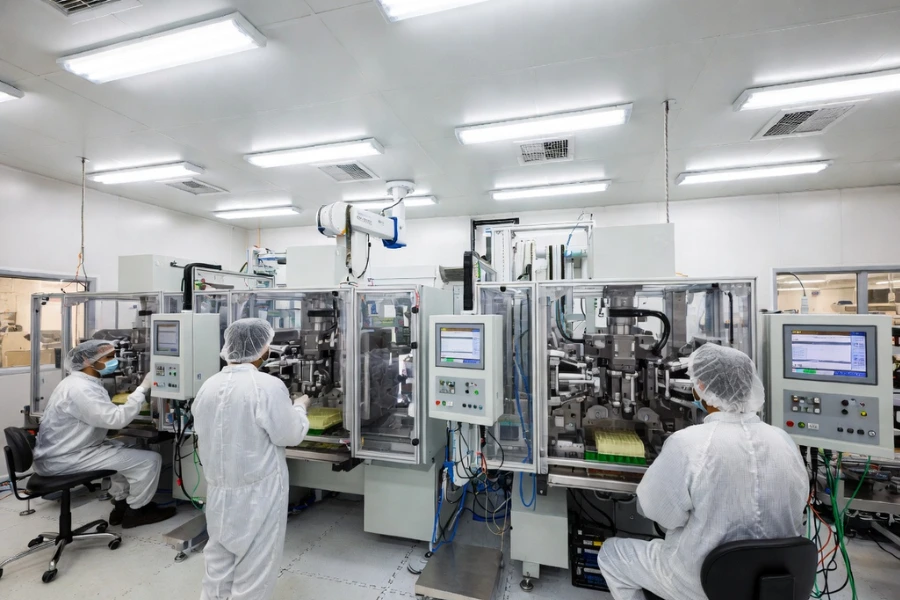
All medical injection molded components, particularly sterile products, must be produced in controlled cleanrooms compliant with ISO 14644 Class 7 or 8. Consistent air quality prevents particulate contamination that could compromise syringes, catheters, and other precision parts, potentially causing patient infections or device failures. Compliance with ISO 14644 is mandatory for European and North American markets, and SeaSkyMedical continuously monitors cleanroom parameters to meet these requirements.
FDA Regulations
The FDA requires varying oversight based on device classification. Class I devices often benefit from 510(k) exemptions but still require registration and listing, while Class II devices require 510(k) premarket notification demonstrating substantial equivalence to legally marketed products. High-risk Class III devices need PMA supported by clinical evidence. The FDA also audits cleanroom facilities, quality management systems, and sterilization validation, and all devices must carry Unique Device Identifiers (UDI).
EU MDR (Regulation (EU) 2017/745)
The EU MDR classifies devices into Classes I, IIa, IIb, and III with stricter clinical evidence requirements than FDA classifications. High-risk devices must undergo conformity assessment by a Notified Body, while UDI registration in Eudamed is mandatory. Legacy devices are required to transition to MDR compliance within the defined period. SeaSkyMedical ensures European market readiness through comprehensive documentation and adherence to MDR protocols.
Additional Standards
Other standards applicable to medical injection molding include ISO 14698 for biological contamination control in cleanrooms, USP Class VI for long-term implantable materials, and IEC 60601 for electrical safety and performance, applicable to injection molded equipment enclosures.
Material Selection and Compliance
Key Regulatory Considerations
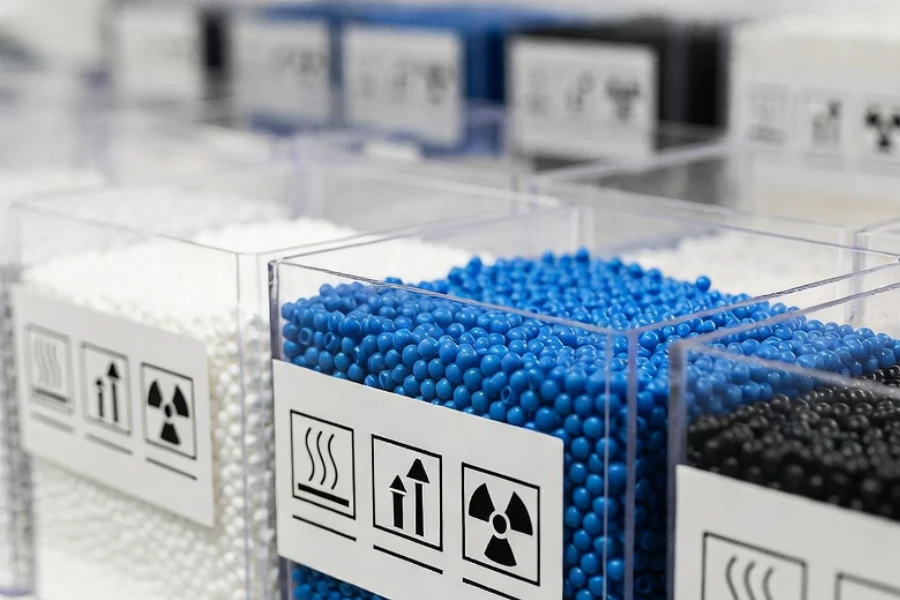
Medical-grade plastics must satisfy ISO 10993 biocompatibility, USP Class VI for long-term implants, FDA 21 CFR for medical device materials, and European chemical regulations such as REACH and RoHS. Materials must withstand sterilization processes and maintain consistent mechanical and chemical properties. SeaSkyMedical evaluates all injection molding materials to ensure regulatory compliance without compromising performance, including custom plastic molding solutions and 2K injection molding.
Common Medical-Grade Plastics
- Polypropylene (PP): Heat-resistant and cost-effective, suitable for syringes and surgical trays.
- PEEK: High-strength, biocompatible, ideal for orthopedic implants and spinal devices.
- LSR (Liquid Silicone Rubber): Low allergenicity, sterilization-resistant, used in masks and catheter seals.
- Polycarbonate (PC): Transparent and impact-resistant, suitable for equipment housings.
- Polyethylene (PE): Flexible or rigid, used for tubing, medication bottles, and orthopedic liners.
- TPE and PS: Used in medical bandages, gaskets, and consumables.
Compliance requires compatibility with intended sterilization methods, and recycled materials are strictly prohibited to maintain biocompatibility and batch consistency.
Regulatory Considerations in Process and Design
Design for Manufacturing (DFM)

Mold flow analysis and DFM techniques must be applied during engineering to prevent defects, control costs, and ensure final parts meet biocompatibility and mechanical requirements. Poorly designed components may compromise sterility, biocompatibility, or durability.
Cleanroom Injection Molding Practices
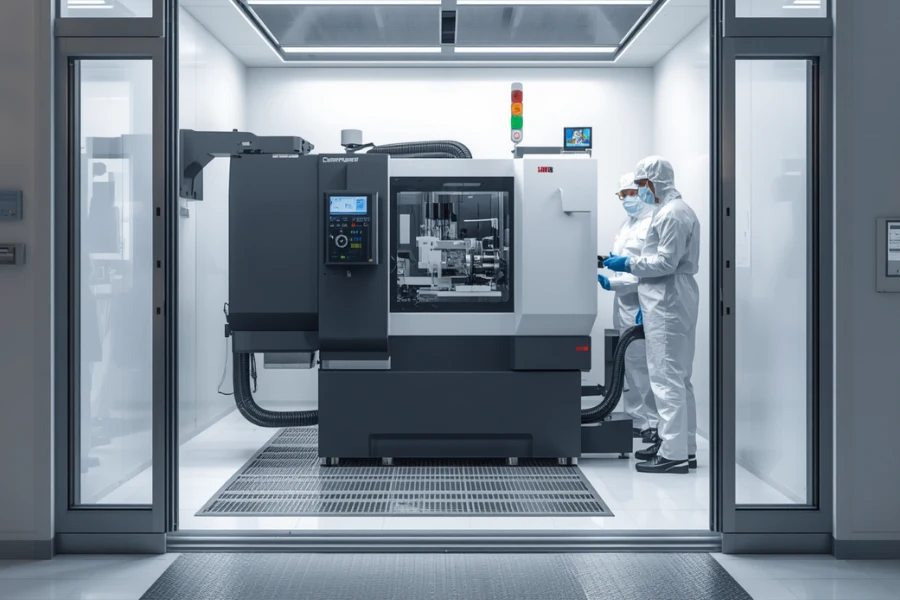
Injection molding machines must operate in validated cleanrooms with continuous air filtration, while operators follow strict gowning and workflow procedures. Real-time monitoring of temperature, pressure, and particulate levels ensures regulatory compliance.
Sterilization Validation
Sterilization methods—including ethylene oxide, gamma, or steam—must achieve Sterility Assurance Levels (SAL) of 10⁻⁶, with material performance maintained post-sterilization.
Quality Control
Real-time sensors track injection pressure and mold temperature, and Coordinate Measuring Machines (CMM) verify tolerances often within ±0.01mm. First article inspections confirm molds meet design specifications. SeaSkyMedical’s in-house monitoring ensures consistent precision and regulatory compliance while providing OEM medical components services.
Application-Specific Regulatory Focus
| Application Type | Typical Components | Regulatory Focus |
|---|---|---|
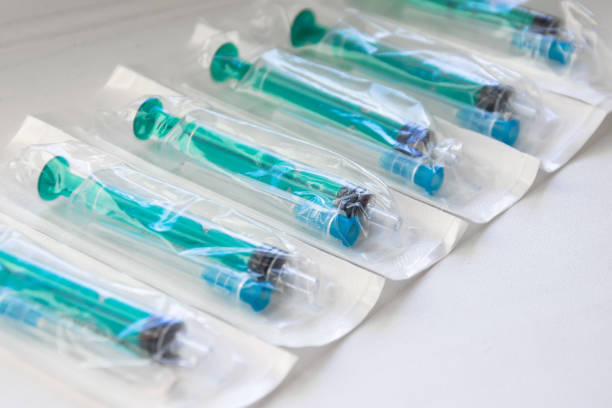
| Disposable Consumables | Syringes, blood collection tubes | ISO 13485, sterility, material biocompatibility |
| Surgical Instruments | Laparoscopic clamps, dental scalers | Repeated sterilization tolerance, ISO 10993 |
| Implants | Joint liners, dental abutments | ISO 10993 long-term, FDA PMA / EU MDR Class III |
| Diagnostic Equipment | Glucose meter housings, microfluidics | Electrical safety (IEC 60601), enclosure performance |
| Equipment Enclosures | MRI, ventilator shells | Structural strength, fire resistance, cleanability |
| Wearable Devices | Glucose sensor patches, ECG electrodes | Skin-contact biocompatibility (ISO 10993-10), sweat resistance |
FAQ
- Must all suppliers be ISO 13485 certified?
ISO 13485 is widely recognized, and most buyers in the U.S. and Europe expect suppliers to maintain certification for quality management and regulatory compliance. - How long and costly is ISO 10993 testing?
Testing generally takes 2–6 months and costs several thousand to tens of thousands of dollars. Full long-term implant evaluations may exceed $100,000. - Can 3D-printed prototypes be used for regulatory testing?
3D-printed parts can be used for early biocompatibility screening, but final submissions must use production injection molded materials to meet regulatory standards. - Do FDA and EU MDR differ for the same product?
Yes, each region requires separate technical files and submissions. ISO 13485 QMS can support compliance for both frameworks simultaneously. - Do molds need special certification?
Molds themselves do not require certification, but they must meet design specifications, cleanroom standards, and validated material properties to ensure compliance. - Are recycled plastics permitted?
No, only virgin, certified medical-grade resins are allowed to maintain biocompatibility, consistent performance, and regulatory compliance.
Conclusion
Regulatory compliance for medical injection molded components is a multi-layered, cross-regional system encompassing quality management (ISO 13485), biocompatibility (ISO 10993), cleanroom standards (ISO 14644), regional approvals (FDA, EU MDR), and considerations in materials, mold design, process validation, sterilization, and traceability. Manufacturers should determine device classification and applicable standards early and integrate regulatory requirements into design to reduce risk and accelerate market entry. SeaSkyMedical offers comprehensive support across these domains, ensuring injection molded parts meet international standards while facilitating reliable production for global medical markets.