Sterile single-use medical components are intended for one procedure on one patient and are not designed for cleaning, disinfection, or reuse.
Because no corrective action is possible after use, sterility, performance, and safety must be achieved entirely through design and manufacturing controls.
These components are commonly applied in patient-contact and fluid-path applications where variability and reprocessing risk cannot be tolerated.
What Defines a Sterile Single-Use Component
A sterile single-use medical component is supplied sterile, used once, and discarded without reprocessing.
In practice, this definition carries several engineering implications:
- No validated cleaning or reprocessing pathway exists
- All contamination control must occur before sterilization
- Performance is evaluated over a single-use lifecycle only
- Packaging integrity is part of product functionality
If a device lacks validated reprocessing instructions, it is typically treated as single-use regardless of labeling.
How Sterility Requirements Constrain Design Decisions
For sterile single-use components, sterility is a fixed boundary condition rather than a downstream option.
This constraint directly limits:
- Allowable materials
- Wall thickness and geometry
- Surface finishes and undercuts
- Assembly and handling steps
Once a sterilization method is selected and validated, late-stage design changes often require revalidation of materials, packaging, and process parameters.
Material Selection Under Single-Use Sterile Conditions
Material selection for sterile disposable components prioritizes short-term stability rather than long-term durability.
Materials must remain stable through:
- One sterilization cycle
- Defined shelf life
- One clinical use
Typical failure modes evaluated include:
- Dimensional distortion after sterilization
- Reduction in mechanical strength
- Color change affecting visual inspection
- Increased extractables or leachables
Common materials include polypropylene, polyethylene, polycarbonate, medical-grade PVC, and silicone elastomers.
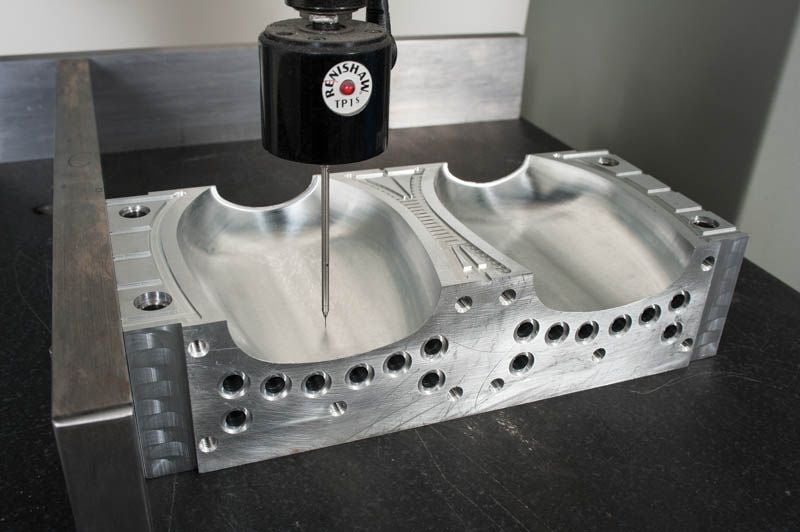
For applications involving flexible seals or patient-contact interfaces, processes such as
liquid silicone rubber molding and
polypropylene injection molding
are commonly applied due to their sterilization compatibility and material stability.
Sterilization Method as a Non-Negotiable Constraint
Sterilization method selection is commonly finalized early because it restricts both material and packaging options.
Typical methods include:
- Gamma irradiation
- Ethylene oxide
- Steam, in limited and material-specific cases
Each method introduces specific constraints:
- Radiation sensitivity and polymer degradation
- Chemical residue limits and aeration requirements
- Thermal deformation and stress cracking
For single-use products, sterilization validation must demonstrate sterility assurance without reliance on user-controlled steps or post-use mitigation.
Manufacturing Environment and Bioburden Control
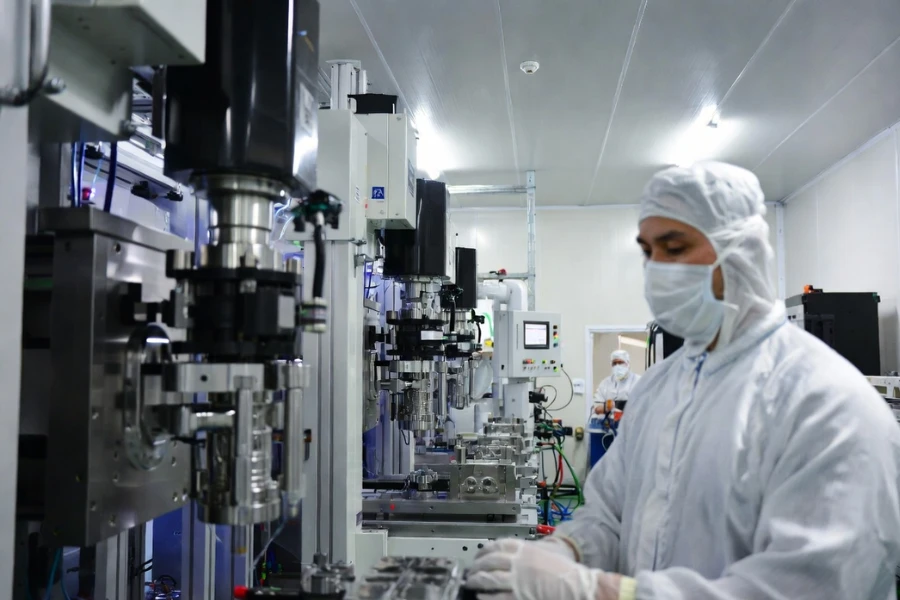
For sterile single-use components, manufacturing consistency directly affects sterilization effectiveness.
Key considerations include:
- Baseline bioburden control before sterilization
- Controlled material flow and operator handling
- Separation of molding, assembly, and packaging zones
- Defined hold times between molding and packaging
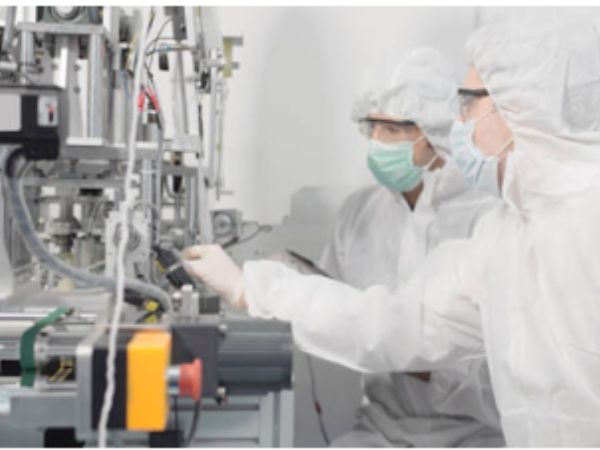
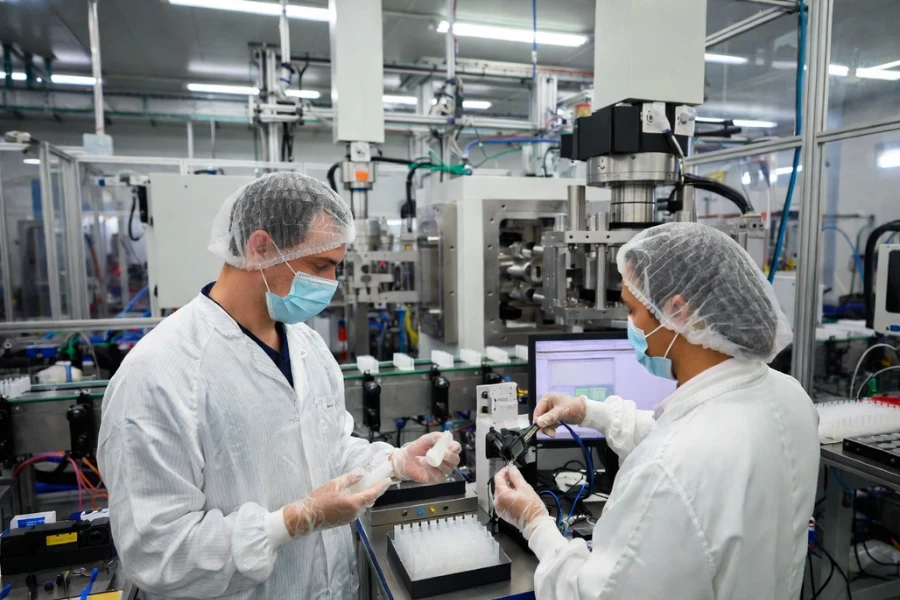
Controlled environments such as
cleanroom injection molding
are commonly used to reduce bioburden variability and stabilize downstream sterilization validation.
Manufacturers such as SeaSkyMedical integrate cleanroom production with documented process controls to support consistent pre-sterilization conditions across production batches.
Packaging as Part of the Sterile System
Packaging for sterile single-use components functions as a sterile barrier rather than a logistics container.
Engineering considerations include:
- Compatibility with the selected sterilization method
- Seal integrity over validated shelf life
- Resistance to handling and transport stress
- Controlled aseptic presentation at point of use
Processes such as
medical device packaging
are treated as part of the sterile system.
If packaging integrity is compromised, the component is no longer considered sterile regardless of material or manufacturing quality.
Advantages of Sterile Single-Use Components
Sterile single-use components are commonly selected where risk control outweighs reuse efficiency.
Typical advantages include:
- Reduced cross-contamination risk
- Elimination of user-dependent reprocessing steps
- Predictable performance per procedure
- Simplified clinical workflows
These characteristics are especially relevant for high-volume or patient-contact applications.
Limitations and Engineering Trade-Offs
Single-use sterile designs introduce constraints that must be addressed early.
Common trade-offs include:
- Higher per-unit material consumption
- Increased dependency on manufacturing consistency
- Limited tolerance for post-market design changes
- Waste management considerations
These limitations are often accepted to achieve predictable sterility and minimize clinical variability.
Typical Applications and Component Categories
Sterile single-use medical components are commonly applied in:
- Medical disposable supplies molding
- Laboratory consumables molding
- Fluid-path components such as connectors and tubing
- Diagnostic sampling and testing devices
- Single-use housings and enclosures
Many of these components are produced using
medical plastic injection molding
due to its repeatability, dimensional control, and scalability.
OEM Program Considerations and Supplier Alignment
For OEM programs, early alignment between design, sterilization strategy, materials, and manufacturing is critical.
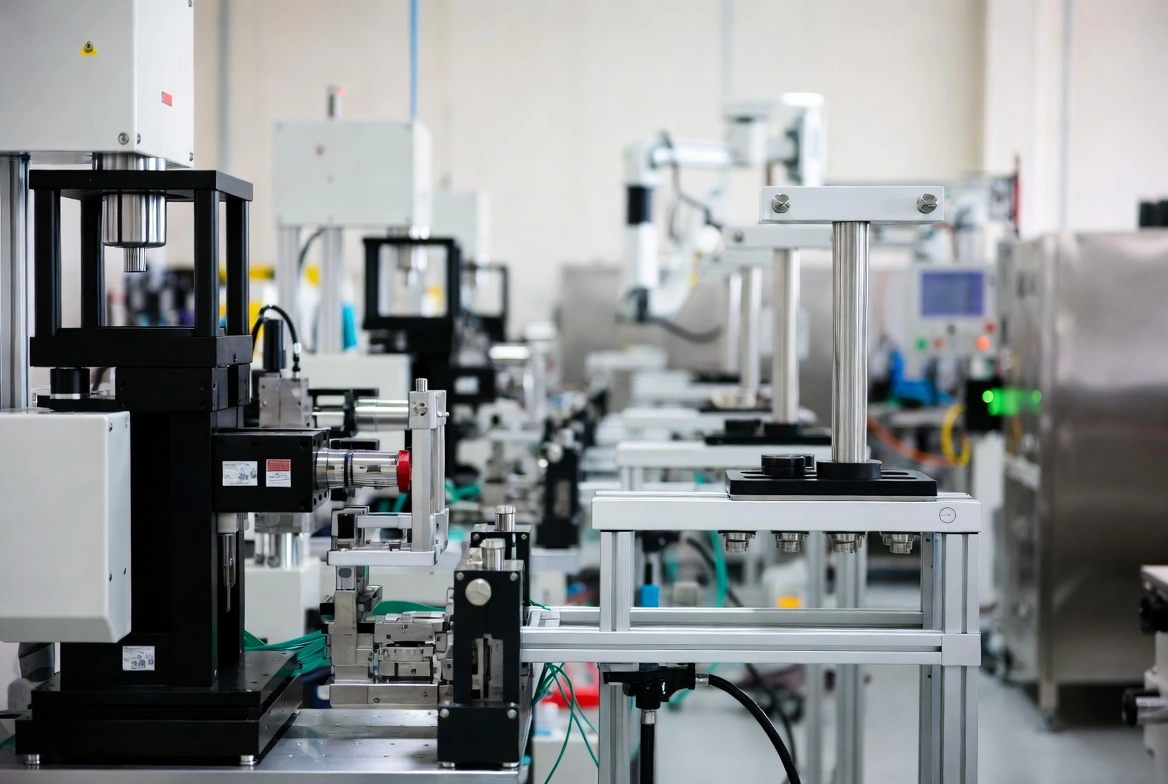
Integrated workflows such as
medical device contract manufacturing
allow manufacturers to:
- Evaluate sterilization compatibility during design
- Coordinate mold development and production variables
- Reduce revalidation risk during scale-up
- Maintain consistency from prototype to mass production
Early-stage support such as
free mold tool design and
3D prototype printing
is often used to identify material, geometry, and packaging constraints before validation.
Downstream processes including
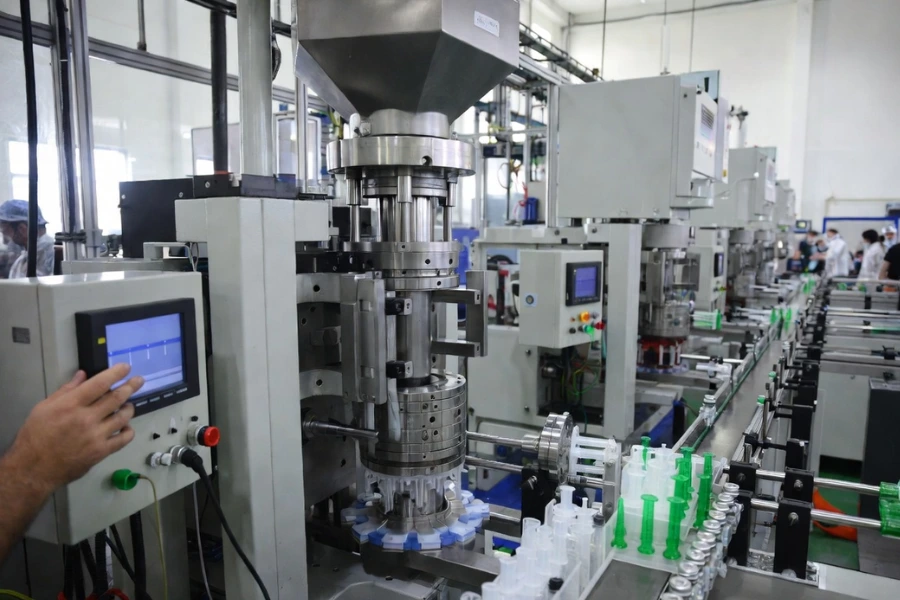
medical device assembly
and controlled secondary operations help limit contamination risk once components leave the molding stage.
Final Design Principle for Sterile Single-Use Components
Sterile single-use medical components are developed under the assumption that no corrective action is available after use.
As a result, sterility, safety, and performance must be fully achieved through controlled design, manufacturing, packaging, and validation processes before the product reaches the clinical environment.
Contact SeaSkyMedical for more information on medical injection molding solutions for sterile single-use applications.