Sterilization readiness in medical plastic manufacturing refers to the ability of a molded medical component to undergo a validated sterilization process without loss of structural integrity, dimensional stability, or biocompatibility.
In medical plastic injection molding, sterilization readiness must be engineered into the product from design through cleanroom manufacturing and final packaging. It is not created at the sterilization facility. It is built into the manufacturing process.
This article explains the specific steps that ensure sterilization readiness in medical injection molding environments.
Step 1 – Define the Intended Sterilization Method During Design
Sterilization readiness begins during medical product development.
Different sterilization methods impose different stresses on polymers and assemblies.
Common methods include:
- Steam sterilization at 121–132 C
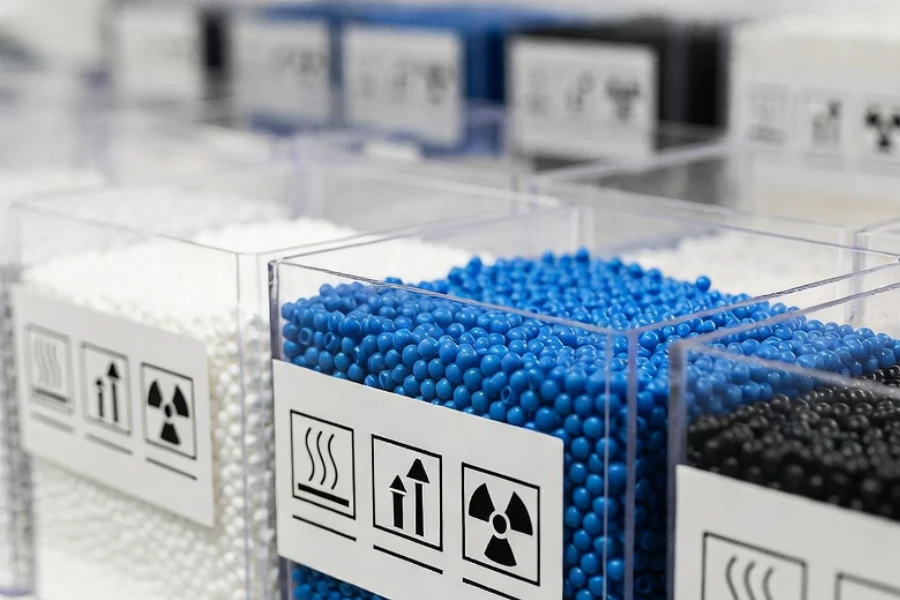
- Gamma irradiation typically 25–40 kGy
- Ethylene oxide EtO gas sterilization
- Vaporized hydrogen peroxide VH2O2
Design teams must identify the intended sterilization method before finalizing geometry, tooling strategy, or material selection.
Step 2 – Select Medical-Grade Plastics Compatible With Sterilization
Material compatibility is fundamental to sterilization readiness in medical injection molding.
Material vs Sterilization Compatibility Matrix
| Material | Steam | Gamma | EtO | Typical Application |
|---|---|---|---|---|
| Polypropylene PP | Commonly used | Possible discoloration | Widely used | Disposable consumables |
| Polycarbonate PC | Hydrolysis risk | Yellowing risk | Compatible | Housings, connectors |
| PEEK | Highly stable | Stable | Compatible | High-performance components |
| Nylon PA | Moisture sensitive | Stable | Compatible | Structural parts |
Hydrolysis can reduce strength in moisture-sensitive polymers such as those used in nylon injection molding.
EtO sterilization is compatible with many materials including those used in PP injection molding, but residual absorption must be controlled through aeration.
Step 3 – Engineer Geometry for Sterilant Penetration
Sterilization readiness is influenced by part geometry and mold design.
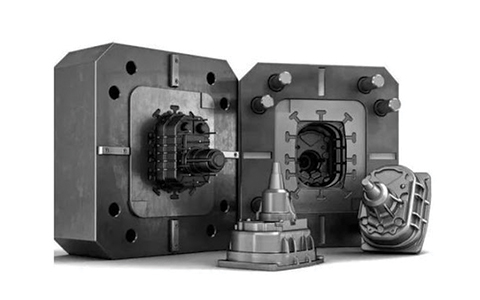
Proper medical mold design and manufacturing ensures venting, gate location, and cooling balance support post-sterilization dimensional stability.
Step 4 – Control Raw Material Handling and Bioburden
Effective material handling supports overall custom medical plastic molding stability and sterilization consistency.
Controls typically include:
- Resin traceability
- Controlled drying parameters
- Sealed storage
- Lot segregation
Step 5 – Operate in a Controlled Cleanroom Injection Molding Environment
Medical plastic components are commonly produced using cleanroom injection molding in ISO Class 7 or ISO Class 8 environments.
Cleanroom production reduces particulate load but does not replace sterilization validation.
SeaSkyMedical performs molding, assembly, and packaging under ISO 8 cleanroom conditions to maintain environmental consistency.
Step 6 – Maintain Stable Injection Molding Parameters
Parameter stability is critical, especially in micro injection molding applications where tolerances are tight.
Improper cooling or excessive shear may lead to post-sterilization warpage or cracking.
Step 7 – Control Secondary Operations and Assembly
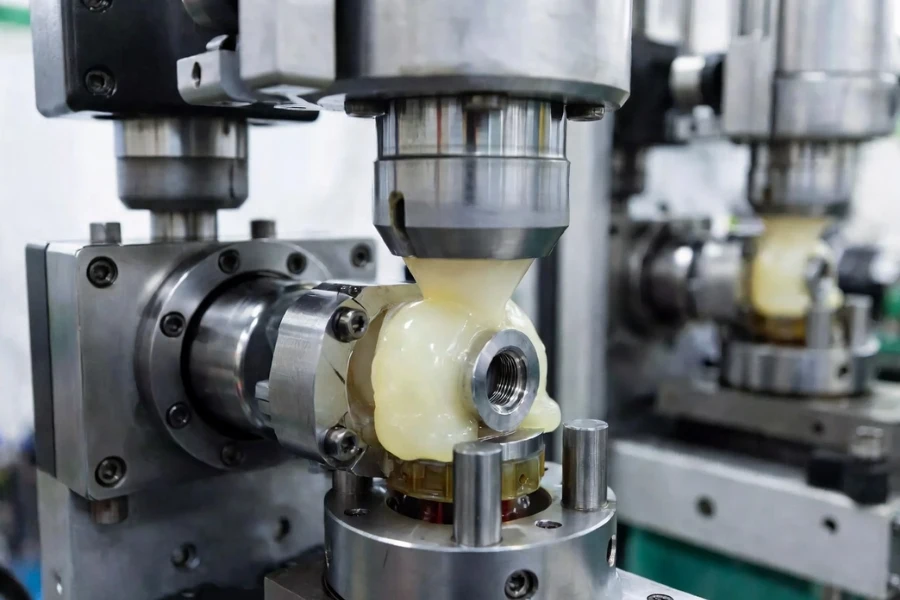
Processes such as medical insert molding require contamination control before encapsulation.
Post-molding steps including medical device assembly must occur under controlled cleanroom procedures to prevent recontamination.
Step 8 – Design Packaging for Sterilization Compatibility
Proper medical device packaging must:
- Allow sterilant penetration
- Maintain sterility after processing
- Support aeration when required
Packaging density and load configuration influence sterilization cycle effectiveness.
Step 9 – Coordinate with Contract Manufacturing and Sterilization Planning
Manufacturers involved in medical device contract manufacturing must align production scheduling with sterilization validation and aeration timelines.
EtO aeration may require multiple days depending on material absorption characteristics.
Step 10 – Document Process Validation and Traceability
Sterilization readiness must be supported by documentation including:
- Material certifications
- Mold validation
- Injection molding IQ OQ PQ
- Change control records
If sterilization parameters or tooling conditions change, revalidation may be required.
Applications in Medical Plastic Injection Molding
Sterilization readiness is critical in full-scope medical plastic injection molding programs where design, tooling, cleanroom production, and packaging must operate as a coordinated system.
SeaSkyMedical supports integrated manufacturing from development through production and secondary operations, enabling customers to incorporate sterilization readiness into regulatory and validation strategies.
For more information, Contact SeaSkyMedical for more information.