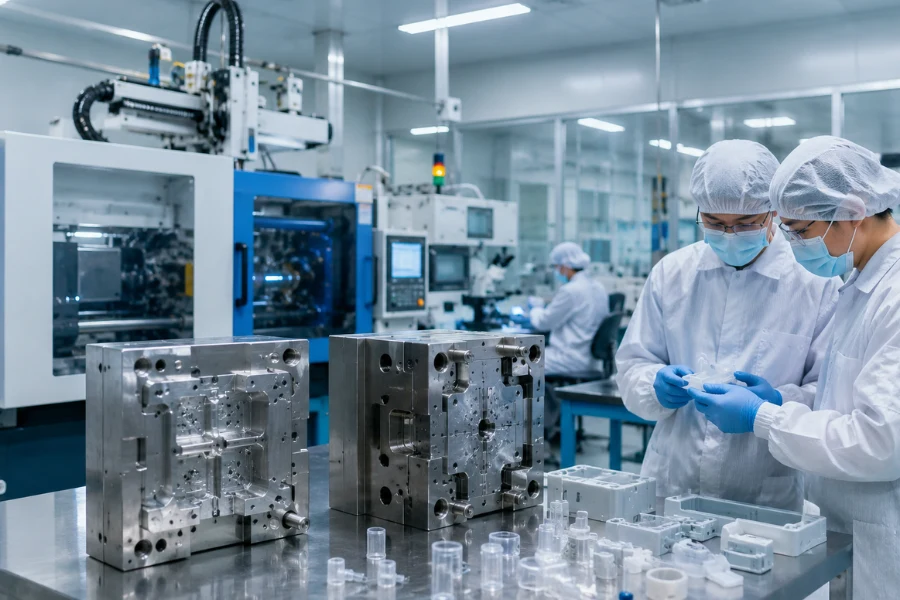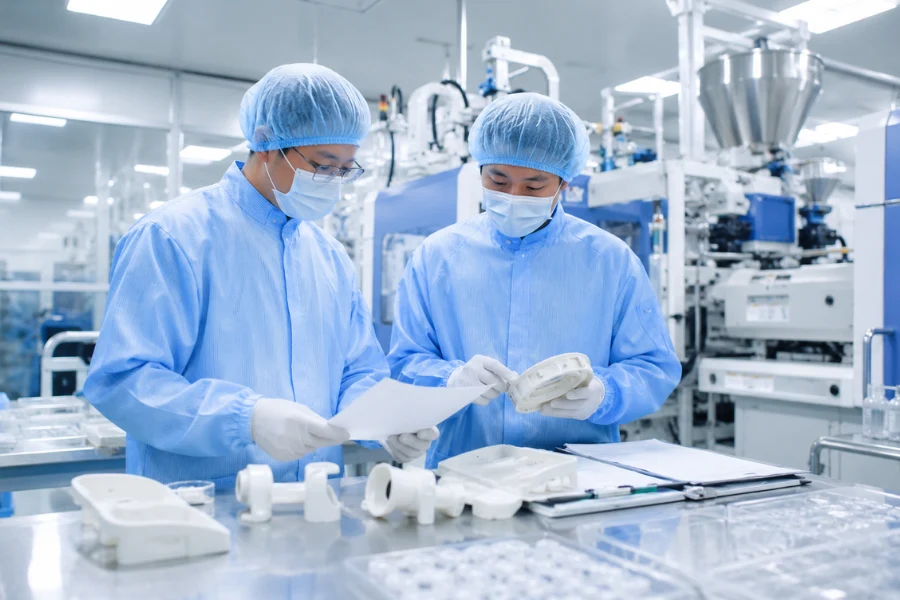
Lot number tracking is used in medical injection molding to connect every finished part to its material source, processing conditions, and inspection records. It forms a continuous data chain across production.
In regulated environments, this traceability supports compliance, controlled quality, and rapid response to defects.
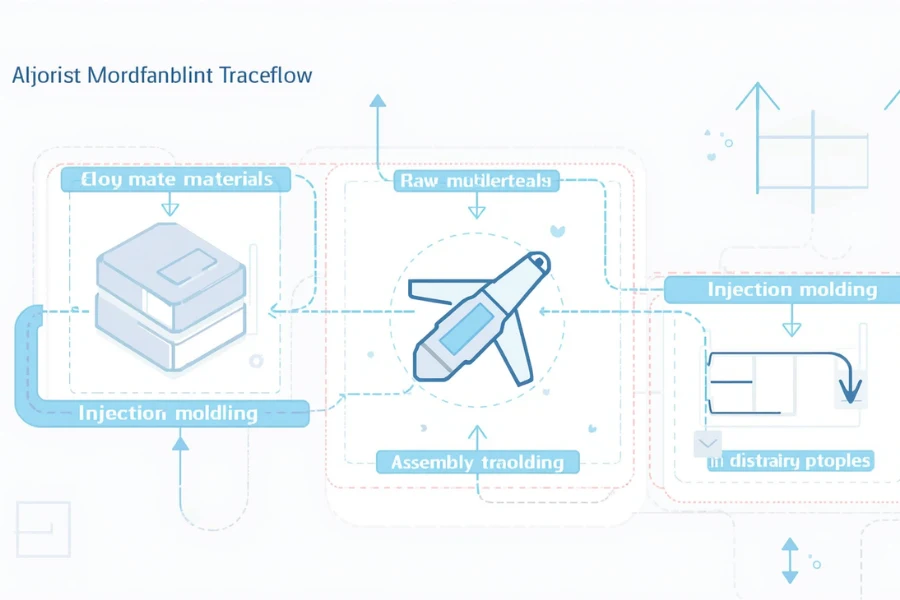
What Lot Numbers and Batch Tracking Mean in Medical Manufacturing
Lot and batch identifiers group products based on shared manufacturing conditions, while maintaining traceability across distribution.
- A batch represents a defined production run under consistent process settings
- A lot represents products released together for tracking and recall
- A serial number identifies individual units when required
Key Differences
| Term | Scope | Function |
|---|---|---|
| Batch | Production run | Captures how products were made |
| Lot | Release group | Enables tracking and recall |
| Serial Number | Individual item | Tracks unit-level history |
This layered structure allows manufacturers to manage both process-level and distribution-level traceability.
How Traceability Works Across the Injection Molding Process
Traceability in medical injection molding is built step by step. Each stage adds data that links forward to the final product.
Raw Material Control
Material traceability begins before molding.
Each material lot is verified and recorded with:
- Supplier certification and compliance data
- Resin grade and drying conditions
- Incoming inspection results
- Material lot identification
Material variation between lots is a known source of performance deviation, so this step anchors the entire tracking system.
Injection Molding Process Tracking
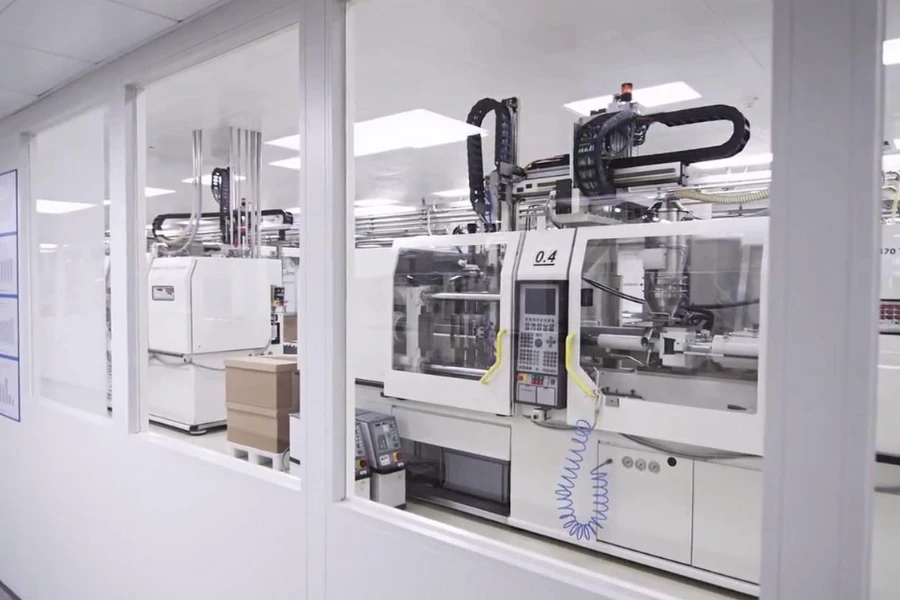
During molding, process data is tied to each batch.
Typical records include:
- Machine ID and cavity number
- Melt temperature, injection pressure, and cycle time
- Production date and shift
- Operator and setup conditions
In multi-cavity molds, cavity-level variation may occur. Linking cavity numbers to batch data allows manufacturers to isolate defects that originate from specific tooling positions rather than the entire production run.
Assembly and Cleanroom Control
After molding, components enter controlled environments for assembly and packaging.
Tracking expands to include:
- Component batch relationships
- Cleanroom classification and environmental monitoring
- Handling procedures and operator records
- Packaging material traceability
Batch segregation is often maintained physically and digitally to prevent mixing between production runs.
Distribution and Lifecycle Tracking
Once released, lot numbers move with the product through the supply chain.
This enables:
- Shipment tracking and inventory control
- Identification of affected products in case of defects
- Lifecycle visibility from production to end use
Why Traceability Is Required in Medical Injection Molding
Traceability is a standard requirement in medical manufacturing due to the level of risk involved.
It supports:
- Regulatory compliance with quality system requirements
- Identification of process-related defects
- Controlled response to product failures
- Documentation of manufacturing conditions
Without traceability, manufacturers cannot verify that products were produced under controlled and validated conditions.
What Changes With and Without Batch Tracking
A practical way to understand its impact is to compare production environments.
| Without Structured Tracking | With Batch Tracking |
|---|---|
| Broad product recalls | Targeted recall by lot |
| Limited root cause visibility | Defect traced to process or material |
| Manual investigation | Structured data retrieval |
| Higher risk exposure | Controlled risk response |
This difference becomes critical when dealing with large production volumes or high-risk applications.
Key Benefits of Lot and Batch Tracking Systems
Batch tracking provides both compliance support and operational control.
Targeted Recall Capability
Only affected lots need to be removed, reducing unnecessary product loss.
Process-Level Quality Insight
Recorded parameters allow manufacturers to identify trends and deviations across production runs.
Inventory and Expiration Control
Lot-based tracking supports first-in-first-out usage and expiration monitoring.
Risk Reduction
Traceable data improves response time during audits, investigations, and field issues.
Digital Systems Supporting Medical Traceability
Modern traceability systems rely on integrated digital platforms.
Common tools include:
- ERP systems for centralized data management
- MES platforms for real-time production tracking
- Barcode or data matrix systems for identification
- Digital audit trails for recording process events
Automated data capture reduces manual entry and improves consistency across departments.
Limitations and Practical Challenges
Even well-designed systems face constraints in real production environments.
Data Integrity Risks
Incorrect labeling or missing records can interrupt traceability chains.
System Fragmentation
Production, quality, and logistics systems may not always share data seamlessly.
Supplier Variability
Differences in how suppliers manage material tracking can introduce gaps.
Process Complexity
As product design and assembly steps increase, maintaining clear traceability requires more structured control.
These challenges are typically addressed through standardized procedures and validated systems.
How Traceability Is Applied in Medical Injection Molding Operations
In injection molding environments, traceability is integrated into daily production rather than treated as a separate system.
Typical practices include:
- Linking material lots to specific molding runs
- Recording process parameters alongside batch data
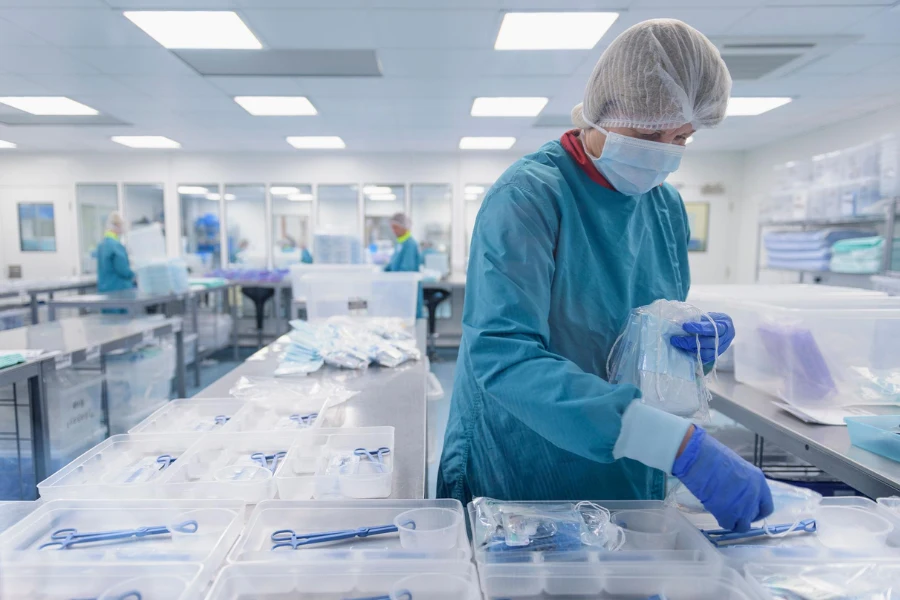
- Maintaining lot segregation in cleanroom production
- Connecting molded components to assembly and packaging records
For manufacturers operating under ISO-certified systems, traceability often extends across design, tooling, molding, and packaging workflows.
In practice, this means that a finished medical component can be traced back not only to its material source, but also to the mold configuration, processing window, and inspection results used during production.
SeaSkyMedical follows this integrated approach by aligning material control, cleanroom molding, and inspection records within a unified process flow. This allows production data to remain consistent across stages without relying on isolated documentation.
For projects that require stable traceability from prototype through production, this type of structured workflow supports both compliance and repeatability.
Contact SeaSkyMedical for more information.
Conclusion
Lot number and batch tracking provide the structure needed to manage medical injection molding processes in a controlled and traceable way.
They connect materials, process conditions, and finished products into a single system that supports quality, compliance, and risk management.
As manufacturing systems continue to evolve, traceability remains a foundational element of reliable medical production.
FAQ
Q1: What is the role of a lot number in medical injection molding?
A lot number groups products with shared production history, allowing manufacturers to trace materials, process conditions, and distribution records. It is primarily used for recall control and quality tracking.
Q2: How does batch tracking improve defect analysis?
Batch tracking links production parameters to specific product groups. This allows manufacturers to identify whether defects are related to materials, process conditions, or equipment variations.
Q3: Is serial tracking always required in medical manufacturing?
Serial tracking is used when individual product traceability is necessary, such as for high-risk devices. Many applications rely on batch and lot tracking instead of unit-level identification.
Q4: What systems are commonly used for traceability?
Manufacturers typically use ERP and MES systems combined with barcode or data matrix labeling. These systems connect production, quality, and distribution data into a unified structure.
Q5: Can traceability systems reduce recall impact?
Yes. By identifying affected lots precisely, manufacturers can limit recalls to specific product groups, reducing both operational disruption and financial loss.