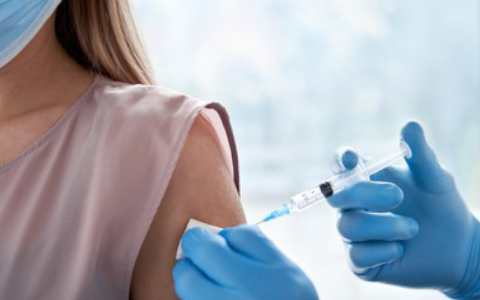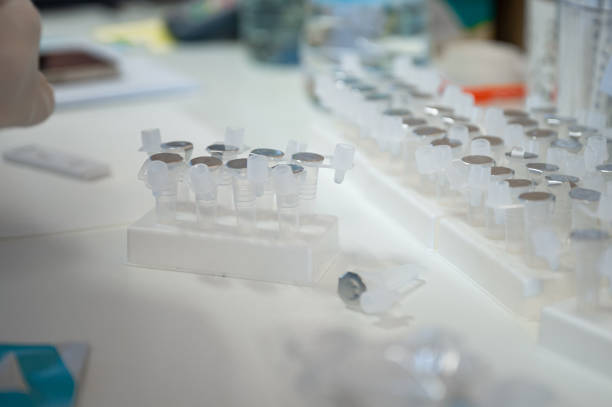
In the world of medical devices, a single plastic part often needs to do many jobs. It might need to be soft where a patient touches it, hard to protect internal parts, sealed against fluids, and clearly marked for safety. Making these parts separately and gluing them together is slow, weak, and can leave gaps for germs.
Two-shot injection molding is a smarter way. Also called 2K or dual material molding, this advanced process lets manufacturers build complex, multi-material medical parts in one single, automated cycle. The result is a superior device that is more reliable, safer, and often costs less to make.
This blog will explain what two shot molding is, how it works, and why it is a perfect fit for the strict demands of the healthcare industry.
What is Two Shot & 2K Molding?
Imagine making a cake with two layers. Instead of baking each layer separately and stacking them, you bake the first layer and immediately add the second layer while the first is still hot. They fuse together perfectly. Two shot molding works on a similar principle, but with plastic in a precision machine.
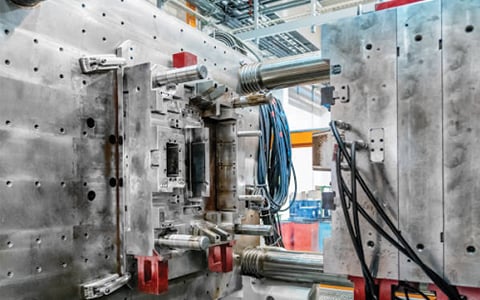
2 shot molding is an injection molding process where two different types of plastic are molded together in one machine during a single cycle. The first material (often a rigid plastic) is injected and forms the core of the part. Then, while that first part is still in the mold, the mold rotates or shifts. A second material (like a flexible silicone or a different colored plastic) is injected, bonding permanently to the first material.
The key advantage is the molecular bond created between the two materials. Because the first shot is still warm, the two plastics fuse at the contact point. This bond is incredibly strong and reliable, much better than any adhesive or mechanical assembly done later.
How Does the 2 Shot Molding Process Work?
The process is precise, repeatable, and ideal for high volume medical manufacturing. Here are the basic steps:
The First Shot
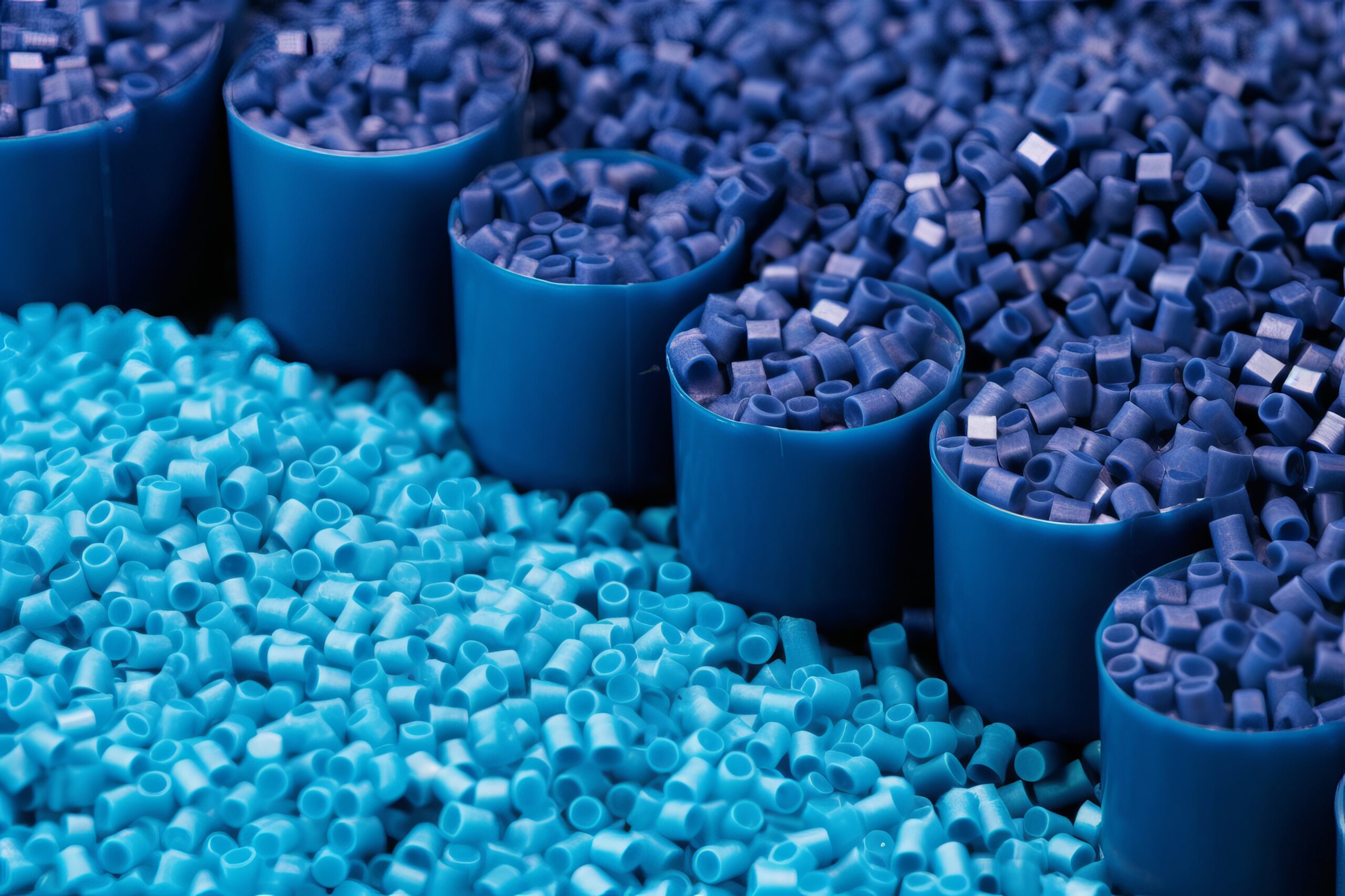
The injection molding machine injects the first plastic material into the mold cavity. This forms the primary substrate or core of the part. Common first shot materials are rigid plastics like Polycarbonate (PC), ABS, or Polypropylene (PP).
Mold Movement
After the first material cools just enough to hold its shape but is still very hot, the mold itself moves. In a rotating mold system, the core half of the mold spins 180 degrees to align with a second injection unit. In a shuttle mold system, the entire core slides to a new position.
The Second Shot
The mold closes again, now with the first shot part in a new position. The machine’s second injection unit then injects a different plastic into new areas of the mold that surround the first part. This second material flows against the warm surface of the first shot and bonds to it.
Cooling and Ejection
The complete, two material part cools fully in the mold. Finally, the mold opens and ejects a single, finished component. No assembly, no glue, no waiting.
Key Applications of 2-Shot Moulding in the Medical Industry
The benefits of two-shot molding solve many common challenges in medical device design. Here are the most important applications:
1. Soft-Touch Grips and Ergonomic Handles
This is one of the most common uses. A rigid plastic forms the strong body of a surgical tool, a scalpel handle, or a diagnostic device. A second, soft thermoplastic elastomer (TPE) or silicone is molded over the grip areas.
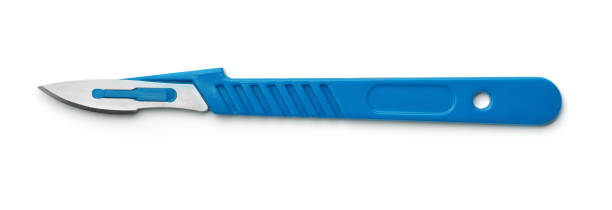
Benefit: Creates a non-slip, comfortable grip that reduces hand fatigue for surgeons and provides better control. It is more hygienic than adding a separate rubber sleeve.
2. Seals, Gaskets, and Fluid Barriers
Creating a perfect, leak proof seal is critical for devices that handle fluids, like respiratory masks, IV connectors, or fluid collection chambers.
Benefit: A flexible, sealant material (like TPE or silicone) can be molded directly onto a rigid connector body. The bond is seamless and monolithic, eliminating leaks better than a separate O-ring. This is vital for patient safety and device function.
3. Overmolded Identification and Branding
Important information like brand logos, button labels, or dose indicators can be made from a second, contrasting color plastic.
Benefit: The markings are permanently molded into the part. They cannot rub off, fade, or be removed like a printed label or sticker. This ensures lifetime identification, which is crucial for traceability and preventing user error.
4. Color Coding for Safety
Different colors can indicate different drug doses, catheter sizes, or connection types.
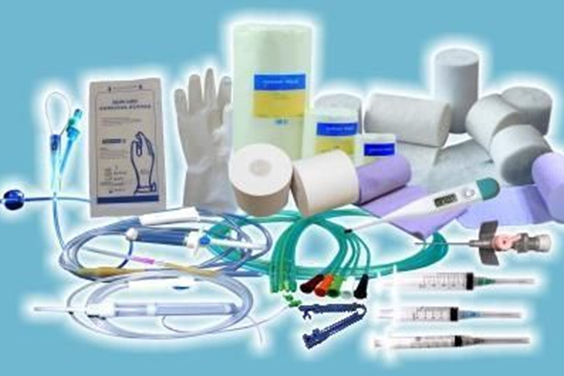
Benefit: A blue connector might fit only a blue port. A 2K process can mold a colored ring or section directly onto a clear or white body. This visual cue is built in, permanent, and helps prevent dangerous misconnections in fast paced medical settings.
5. Complex, Multi Functional Assemblies
Some devices combine clear windows with opaque bodies, or rigid frames with flexible diaphragms.
Benefit: Two-shot molding can create these as one part. For example, a drug delivery device might have a clear polycarbonate window to see the fluid level, molded seamlessly into an opaque ABS body. This reduces the total number of parts, simplifies assembly, and improves reliability.
Why Choose 2K Molding for Plastic Medical Devices?
For manufacturers, the decision to use two shot molding comes down to several powerful advantages:
Superior Product Integrity
The permanent chemical bond between materials is stronger and more reliable than mechanical assembly. This leads to devices that are less likely to fail.
Enhanced Design Possibilities
Engineers can design parts with multiple functions that would be impossible or too expensive to make as separate pieces.
Lower Total Cost
While the molds and machines are more complex, the process eliminates secondary assembly steps, reduces labor, minimizes inventory of separate parts, and lowers the risk of defects. This often makes it more cost-effective overall.
Improved Cleanliness and Safety
The seamless bond leaves no gaps, cracks, or adhesive joints where bacteria, blood, or other contaminants could collect. This makes devices easier to clean and sterilize.
Excellent Durability: Overmolded grips, seals, and markings are incredibly resistant to wear, repeated sterilization (like autoclaving), and chemical exposure.
Conclusion
Two-shot molding is more than just a manufacturing trick. It is a powerful design and engineering tool that allows for the creation of smarter, safer, and more user friendly medical devices. By combining materials in a single, automated process, it delivers unmatched reliability, functionality, and cost efficiency.
For anyone designing the next generation of surgical tools, diagnostic equipment, or patient care devices, understanding the potential of two-shot molding is a key step toward creating a better product.
Could two shot molding improve your medical device design? Our engineering team specializes in helping medical companies implement this technology. Contact us today to discuss your project and explore the possibilities.