
OEM IV Component Injection Molding
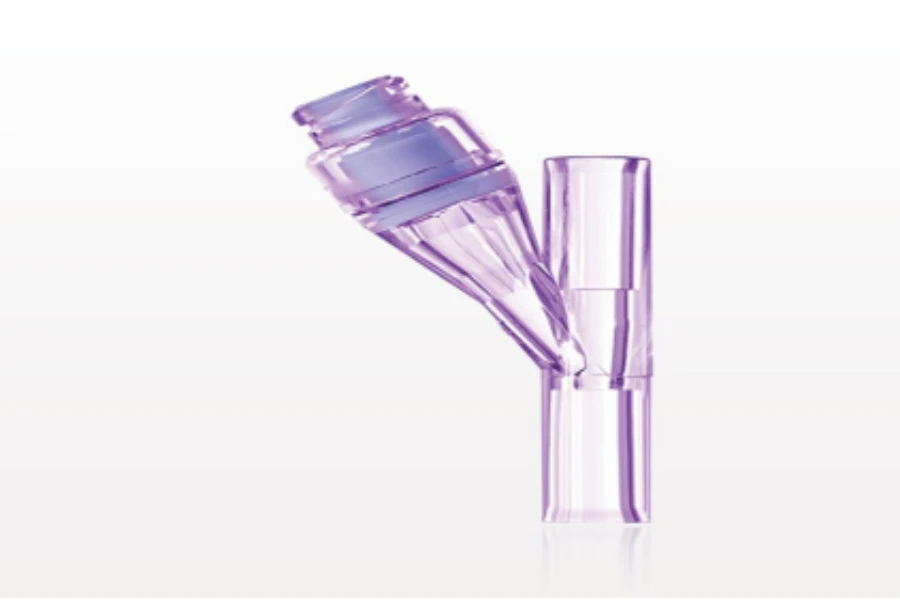
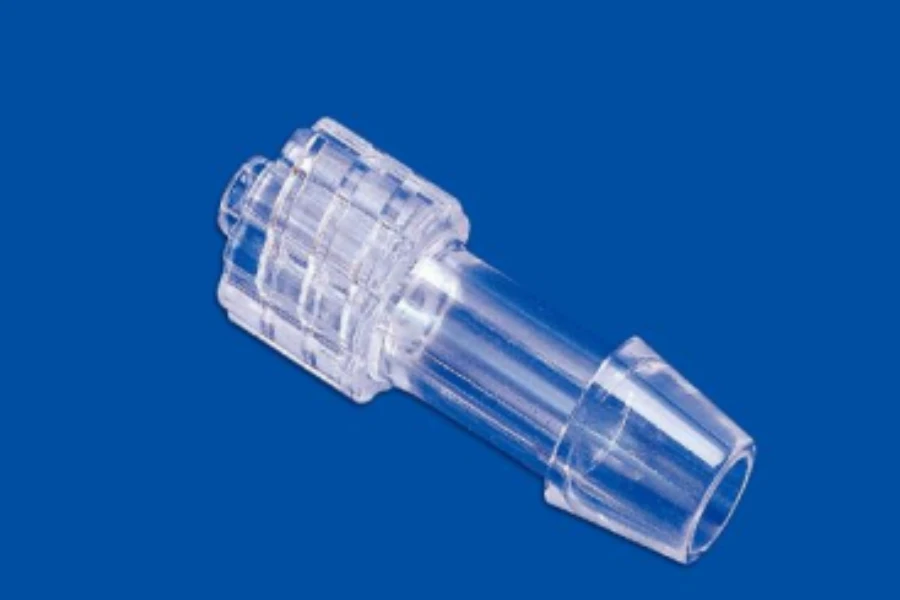
IV components frequently combine small plastic features, fluid passages, mechanical interfaces, and surfaces intended for joining to other parts.
Seasky Medical provides custom manufacturing support from design review and precision tooling to medical injection molding and selected secondary operations.
Design for Manufacturability
Design for manufacturability (DFM) identifies potential production challenges before a mold is manufactured.
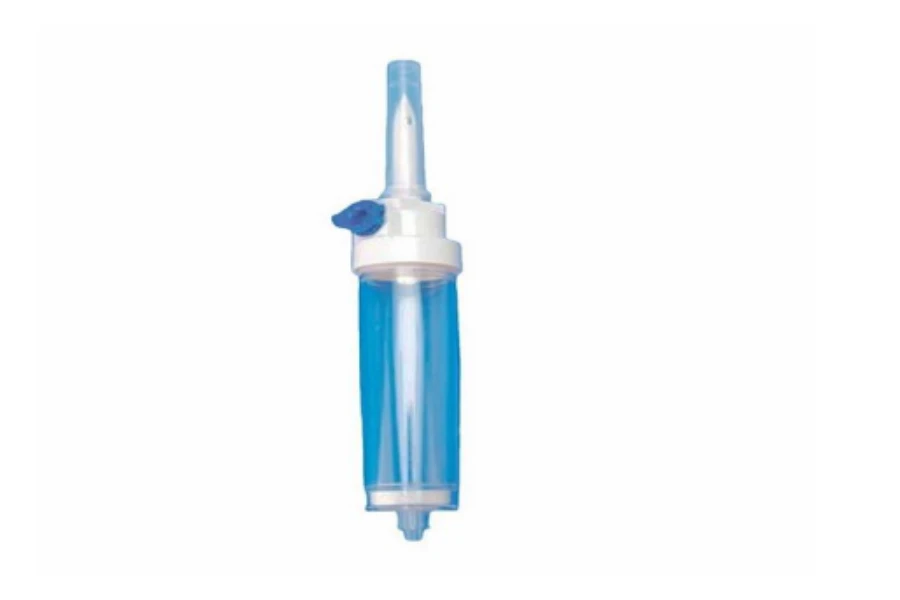
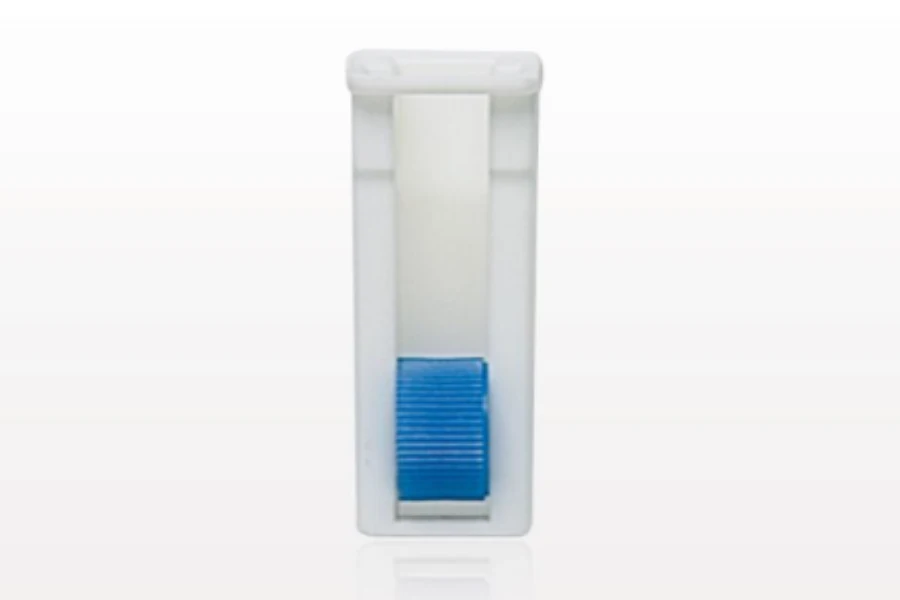
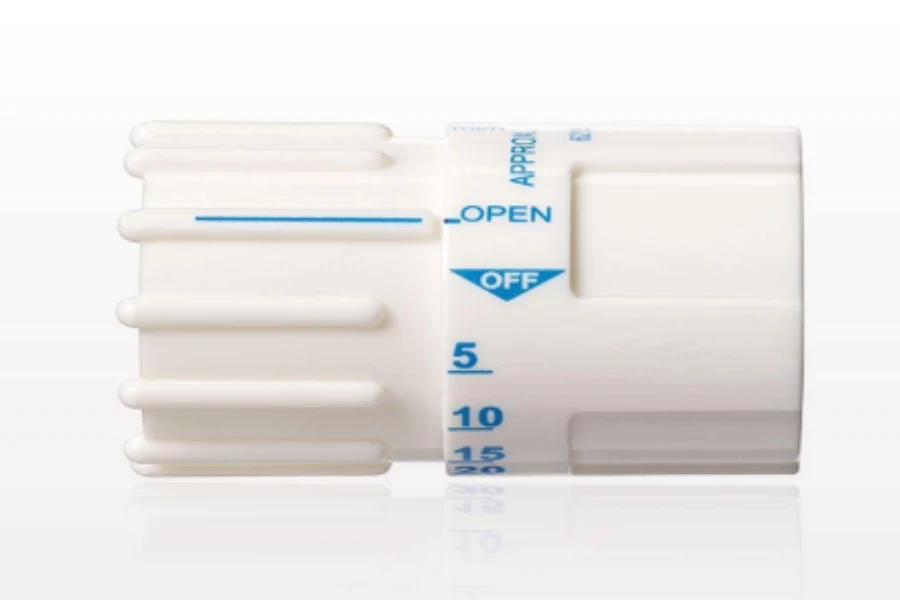
For drip chambers, engineering review may focus on wall thickness, transparency, gate placement, and fluid-path geometry. Roller clamps require attention to guide tracks, roller fit, and dimensional variation that could affect movement.
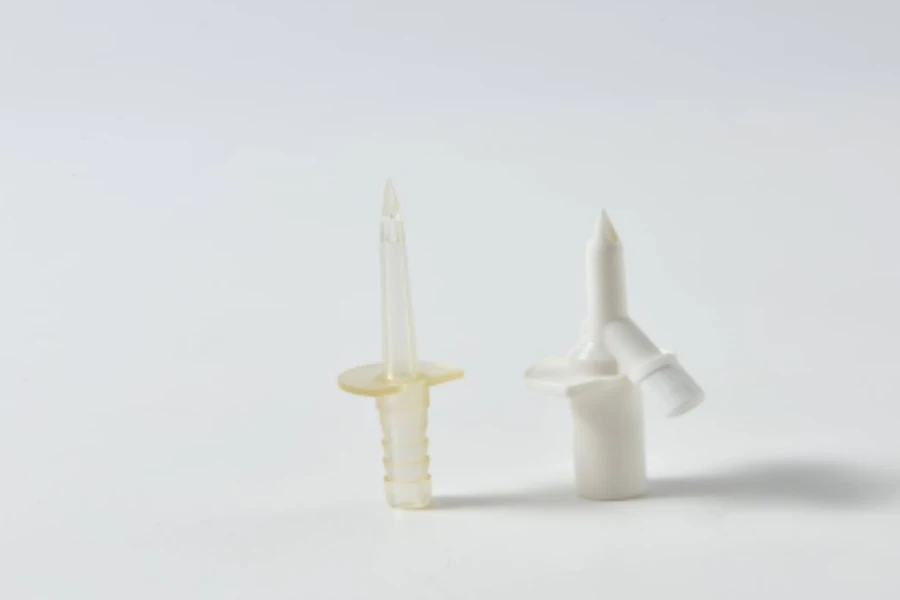
Connector and spike designs may require additional analysis of internal channels, molding draft, and critical sealing surfaces.
Precision Mold Design and Manufacturing
Injection molds for IV components must reproduce functional details while supporting consistent filling, cooling, and part ejection.
Mold development considers gate location, cavity balance, cooling arrangements, parting lines, and surface finish.
When a component contains narrow fluid passages or small mating features, tooling design must also account for core strength, dimensional accuracy, and mold maintenance.
Medical Plastic Material Selection
Medical IV components may use polypropylene (PP), polycarbonate (PC), PVC, or other polymers depending on their function and device design.
Material selection should consider transparency, mechanical strength, flexibility, chemical compatibility, joining processes, and the intended sterilization method.
Flexible tubing and rigid injection-molded components may require different manufacturing processes and materials. All fluid-contact materials must be evaluated against the requirements of the final infusion device.
Cleanroom Injection Molding
Seasky Medical offers ISO 8 cleanroom injection molding for medical plastic components with defined environmental cleanliness requirements.
Cleanroom production helps control environmental contamination during molding. It does not, by itself, establish product sterility or eliminate the need for downstream cleaning, sterilization, or packaging validation.
Assembly and Secondary Operations
IV assemblies may require molded components to be connected to tubing, membranes, filters, and other parts.
Seasky Medical offers assembly and secondary manufacturing services for medical consumables. Potential operations can be evaluated according to the component design, selected materials, joining requirements, and production volume.