
Medical Stopcocks & Luer Connectors

Medical Stopcock and Luer Connector Solutions

Medical stopcocks control or redirect fluid flow, while Luer connectors establish detachable connections between compatible medical devices and tubing assemblies. Although both are used in fluid management systems, their functional and manufacturing requirements differ.

Seasky Medical supports custom plastic component development for infusion equipment, injection devices, and other medical fluid-handling applications. We work with customer drawings and technical requirements to evaluate component geometry, material selection, tooling, and manufacturing feasibility.

Medical Stopcocks

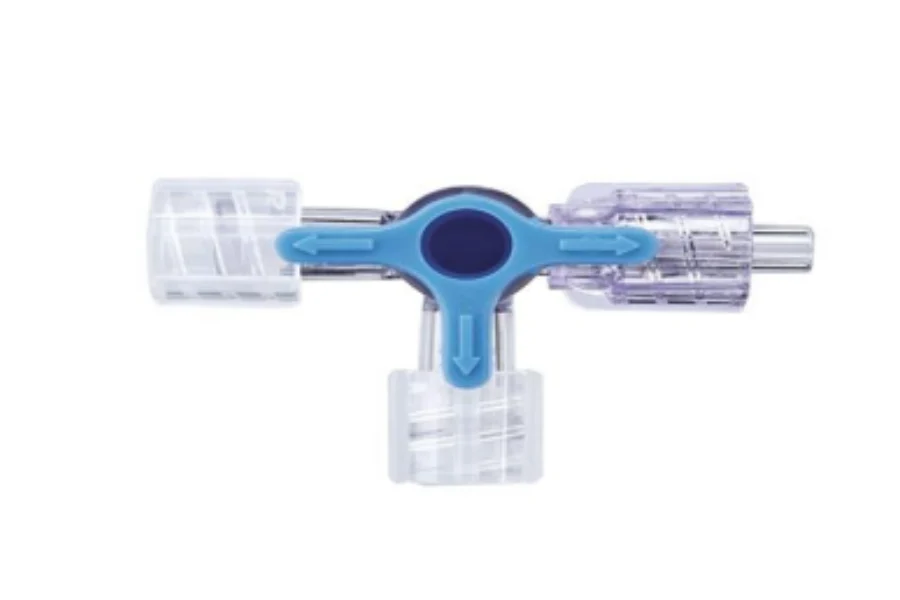
Medical Stopcocks

Medical stopcocks use a rotating valve element to open, close, or redirect fluid pathways. Key design considerations include the fit between the valve body and rotor, operating torque, sealing performance, and internal flow geometry.

Custom designs may include two-way and three-way flow configurations, subject to the intended application and product requirements.

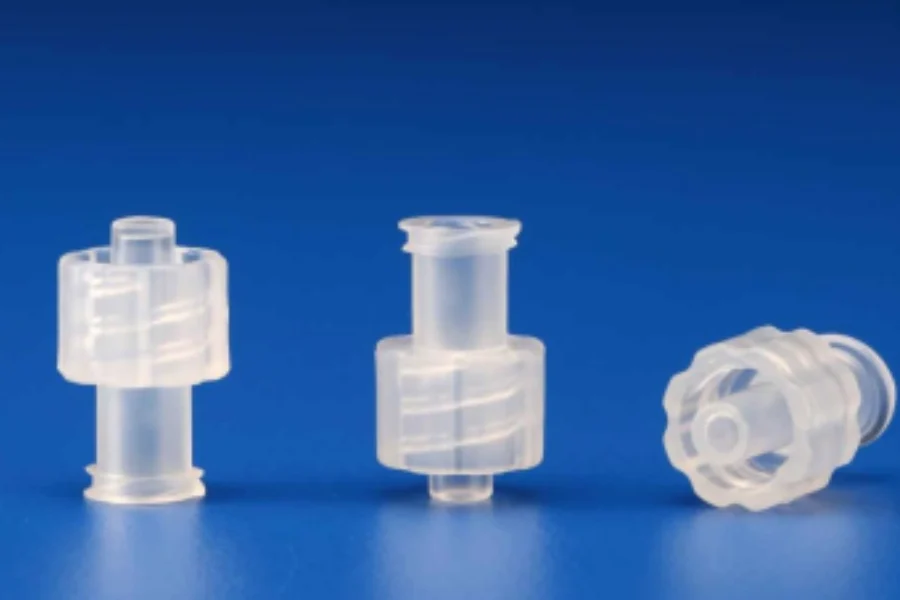
Luer Lock Connectors

Luer lock connectors use mating tapered interfaces with mechanical locking features to help maintain secure connections. Connector geometry, engagement, and sealing performance must be evaluated for the intended medical application.

Custom configurations may include male and female Luer interfaces, integrated fittings, and application-specific connector bodies.

Luer Lock Connectors
Luer slip connectors rely on a friction fit between mating tapered surfaces without a threaded locking mechanism. They are used in medical connections where the intended device design permits this connection method. Manufacturing considerations include taper geometry, dimensional consistency, surface finish, and compatibility with mating components.

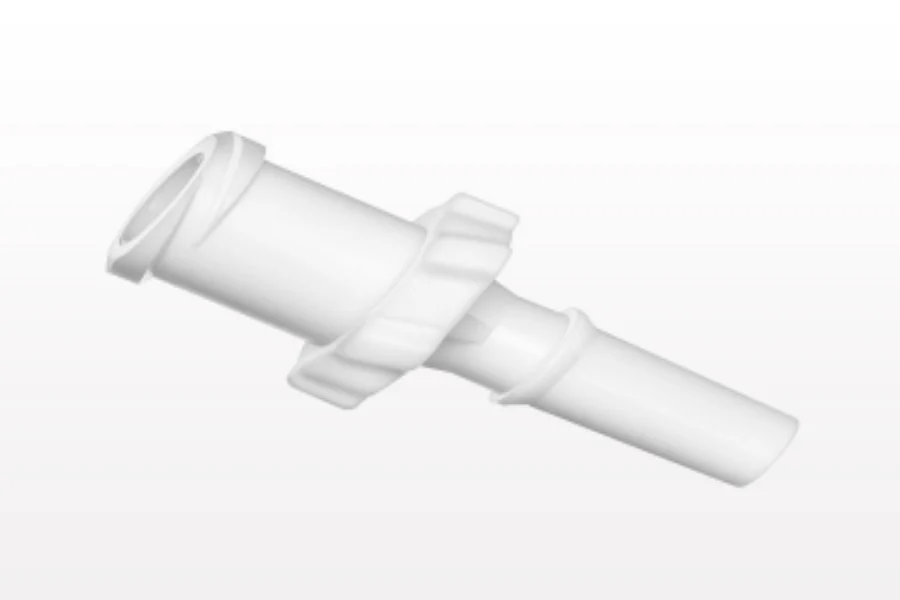
Luer Slip Connectors

Luer slip connectors rely on a friction fit between mating tapered surfaces without a threaded locking mechanism. They are used in medical connections where the intended device design permits this connection method.

Manufacturing considerations include taper geometry, dimensional consistency, surface finish, and compatibility with mating components.

Custom Medical Fluid Connectors

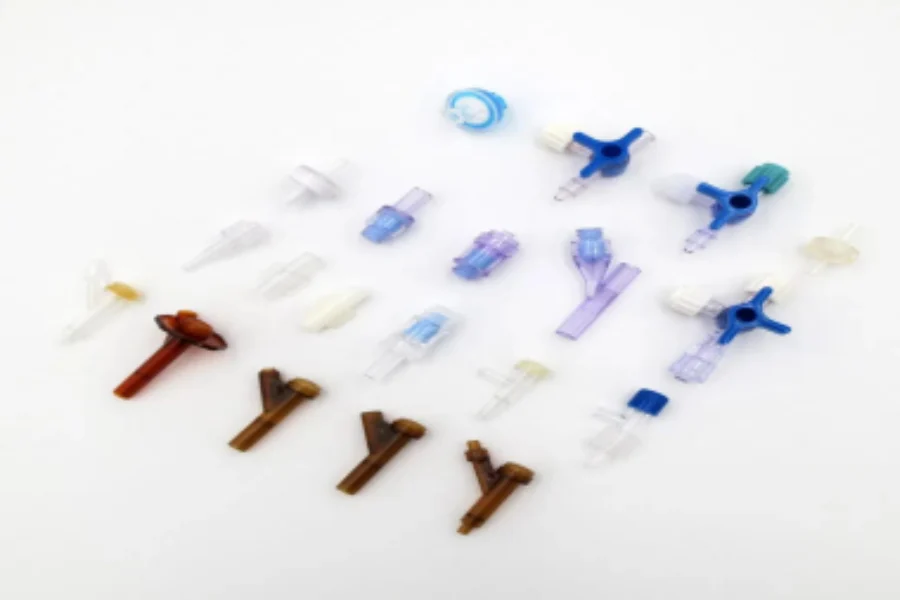
Medical fluid connectors may require multiple ports, specialized tubing interfaces, or integrated features that are not available in standard components.

We support the development of custom molded connector housings and fluid-path components based on customer specifications, with attention to moldability, assembly interfaces, and inspection requirements.

Custom Medical Fluid Connectors

Custom Medical Stopcock and Luer Connector Manufacturing

Seasky Medical provides OEM injection molding support for medical device companies developing custom fluid-control and connection components. Our manufacturing approach considers both individual part quality and performance within the final assembly.

Precision Mold Design and Development

Stopcock bodies, valve cores, and Luer interfaces require accurate tooling to reproduce small functional features. During design for manufacturability (DFM) review, we evaluate wall thickness, draft angles, parting lines, gate locations, and critical mating surfaces.

For multi-component stopcocks, the fit between the valve core and housing is particularly important. Tooling and molding conditions must support the specified balance between sealing performance and rotation torque.

Medical-Grade Material Selection

Material selection depends on fluid exposure, mechanical loading, transparency, sterilization requirements, and the intended duration of use.
Polycarbonate (PC) and polypropylene (PP) are among the materials that may be evaluated for medical fluid-handling components. Final resin selection requires assessment of the specific grade, chemical compatibility, biocompatibility requirements, and processing conditions.

Precision Injection Molding

Our medical injection molding capabilities support the manufacture of plastic components with detailed connection features and internal geometries.

Critical dimensions may include Luer taper surfaces, locking features, sealing interfaces, and valve bores. Process parameters and inspection plans are developed around the requirements identified for each custom component.

Assembly and Secondary Operations

Some medical stopcock designs require molded components to be assembled into a functional valve. Assembly requirements may include component orientation, rotor insertion, and verification of operating movement.

Seasky Medical also offers medical device assembly and packaging services. The scope of assembly, functional testing, and packaging is defined according to each project.

Customization Options and Technical Requirements

Medical stopcocks and Luer connectors are typically specified according to the intended medical device, fluid pathway, and assembly requirements.

Design parameter

Customization or engineering considerations

Component type

Stopcock body, rotor, Luer connector, adapter, or custom housing

Flow configuration

Two-way, three-way, or project-specific fluid pathways

Connector interface

Male or female Luer, Luer lock, or Luer slip

Material

Application-appropriate medical-grade thermoplastic

Component dimensions

Customer drawings and critical-to-quality dimensions

Internal flow path

Channel geometry, dead volume, and flow requirements

Sealing performance

Leakage criteria and specified operating conditions

Valve operation

Rotation torque, actuation positions, and functional life

Sterilization compatibility

Evaluation against the selected sterilization method

Manufacturing scope

Mold development, injection molding, assembly, and packaging

Luer connectors intended for intravascular or hypodermic applications may need to meet the dimensional and functional requirements of ISO 80369-7:2021. Compliance should be established through applicable design verification and performance testing, rather than inferred from dimensional measurements alone.

Applications of Medical Stopcocks and Luer Connectors

IV Infusion Systems

Stopcocks and Luer connectors can form part of IV infusion assemblies, connecting tubing, syringes, and compatible fluid delivery components. Their design must account for secure connections, leakage control, and the intended fluid pathway.

Drug Delivery Devices

Luer interfaces may be incorporated into syringe-based drug delivery systems and other compatible devices. Material selection and connection design depend on the drug formulation, delivery conditions, and device requirements.

Pressure Monitoring Systems

Medical stopcocks can be used in fluid-filled pressure monitoring assemblies to control connections between monitoring lines and related components. Flow configuration, sealing performance, and operating torque are important design considerations.

Medical Fluid Management Assemblies

Custom connectors and valves may be integrated into multi-component fluid management systems. Their geometry must accommodate tubing connections, assembly methods, fluid exposure, and the applicable functional requirements.

Quality Control for Medical Stopcocks and Luer Connectors

Seasky Medical operates under an ISO 13485-certified quality management system and offers ISO 8 cleanroom manufacturing capabilities. Quality planning for custom fluid-path components begins with defining the specifications and potential failure modes of the final design.

Dimensional Inspection

Critical connection features require appropriate dimensional verification. Depending on the component, inspection may focus on taper geometry, port dimensions, locking features, valve bores, and mating surfaces.

Leakage and Functional Testing

Leakage performance, valve operating torque, connection integrity, and other functional characteristics should be evaluated against project-specific acceptance criteria. Testing procedures and validation responsibilities are established according to the component design, production scope, and applicable device requirements.

Process Validation and Traceability

For projects requiring validated manufacturing processes, production documentation and inspection controls should address critical molding parameters, material identification, and product traceability. The required documentation is agreed upon during project planning to support the customer's quality and regulatory obligations.

Why Choose Seasky Medical?

Medical Injection Molding Experience

Seasky Medical focuses on custom plastic components for medical applications. Our experience in tooling, material selection, injection molding, and secondary operations supports projects involving detailed geometries and functional interfaces.

ISO 13485 Quality Management

Our ISO 13485-certified quality management system provides a framework for controlled medical device manufacturing processes and documented quality activities.

Cleanroom Manufacturing Capabilities

Our ISO 8 cleanroom capabilities support projects with defined environmental cleanliness requirements. Specific production, assembly, and packaging arrangements can be evaluated during project planning.

Integrated OEM Manufacturing Support

From DFM and mold development to injection molding and secondary operations, we help medical device manufacturers coordinate the technical requirements of custom plastic components.

Frequently Asked Questions

A medical stopcock is a valve used to control or redirect fluid flow through one or more pathways. A Luer connector is a standardized tapered connection interface used to join compatible medical components. Some stopcocks incorporate Luer connectors at their ports, allowing the valve to connect with syringes, infusion lines, or other devices.

Yes. Medical stopcock components and Luer connectors can be developed using custom injection molds. The design process must account for dimensional accuracy, material selection, assembly requirements, and functional performance. Seasky Medical supports custom tooling and injection molding projects based on customer drawings, intended applications, and agreed manufacturing specifications.

Polycarbonate and polypropylene are commonly considered for medical fluid-handling components, depending on the product design. Material selection should consider chemical compatibility, mechanical strength, transparency, molding behavior, and sterilization requirements. A specific medical-grade resin should be qualified against the intended device application rather than selected solely by polymer family.

Luer connectors intended for intravascular or hypodermic applications may fall within the scope of ISO 80369-7. The standard specifies dimensional and functional performance requirements for applicable small-bore connectors. Manufacturers should determine which requirements apply to their designs and complete appropriate verification testing before making a conformity claim.

A custom manufacturing inquiry should include 2D or 3D drawings, the intended application, material requirements, target production quantity, and critical dimensions. For stopcocks and Luer connectors, relevant details may also include mating components, leakage criteria, operating pressure, sterilization requirements, and the expected scope of assembly or testing.

green circle

Start Your Project Now