
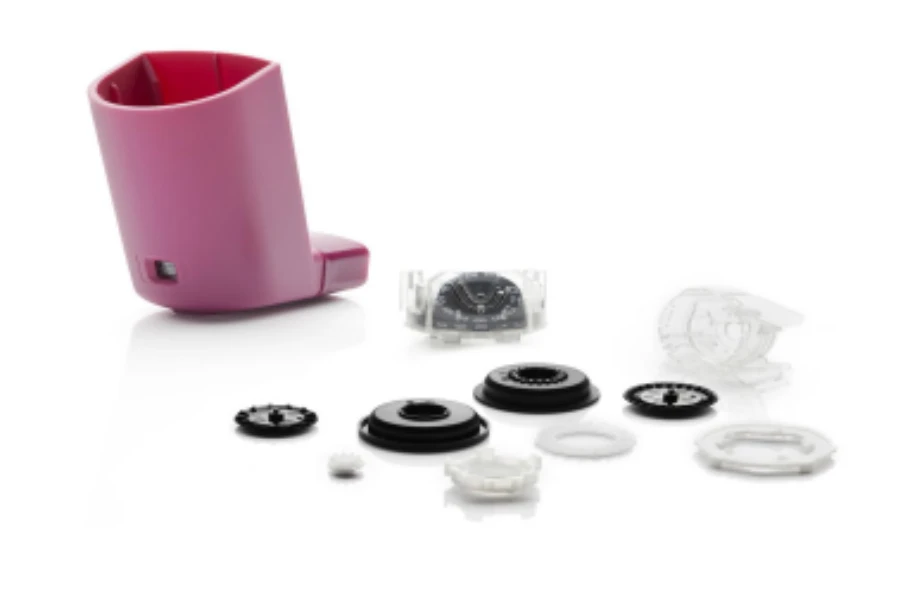
Drug Delivery Components

Custom Drug Delivery Components and Precision Medical Injection Molding

Seasky Medical provides OEM injection molding solutions for precision plastic components used in drug delivery devices. Our manufacturing services support syringe systems, injection devices, fluid transfer components, and custom drug delivery assemblies.

From design for manufacturability and precision mold development to material selection, injection molding, and secondary operations, we help medical device manufacturers develop components according to their technical and production requirements.

Our ISO 13485:2016-certified quality management system and ISO 8 cleanroom capabilities support controlled manufacturing for medical applications.

Syringe Components

Syringe Components

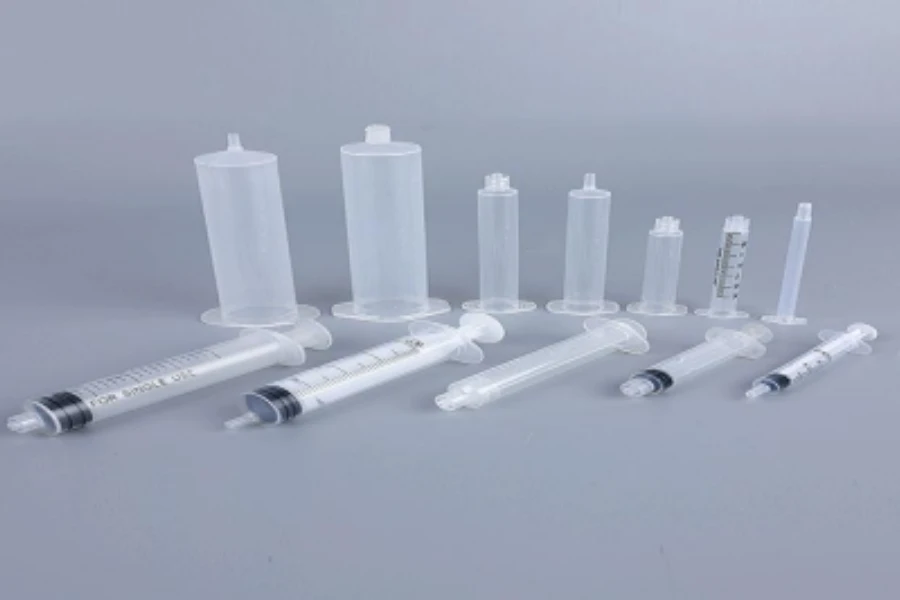
Syringe components include molded barrels, plungers, and associated plastic fittings used in medication preparation and administration systems.
Manufacturing requirements may include controlled internal barrel geometry, consistent plunger movement, accurate mating features, and compatibility with the specified sealing system.
Seasky Medical has established experience in custom disposable syringe injection molding.

Dual-Chamber Syringe Components

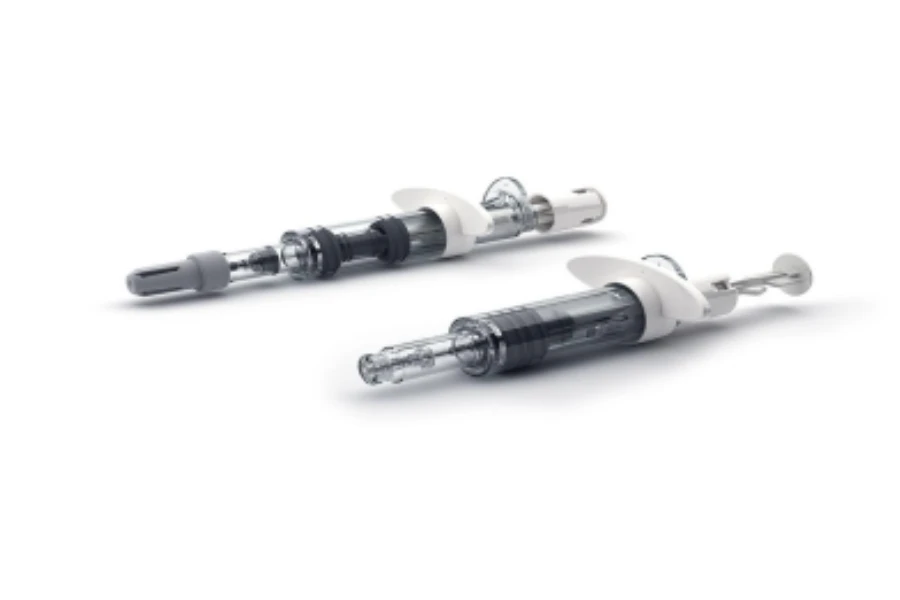
Dual-chamber syringe systems separate materials before mixing or administration. Their plastic components may incorporate multiple chambers, specialized barrel geometries, and interfaces for plungers or other sealing elements.
Seasky Medical provides custom injection molding solutions for dual-chamber and multi-chamber syringe systems, including applications involving medication reconstitution and controlled mixing.

Dual-Chamber Syringe Components
Injector Device Components

Injector Device Components

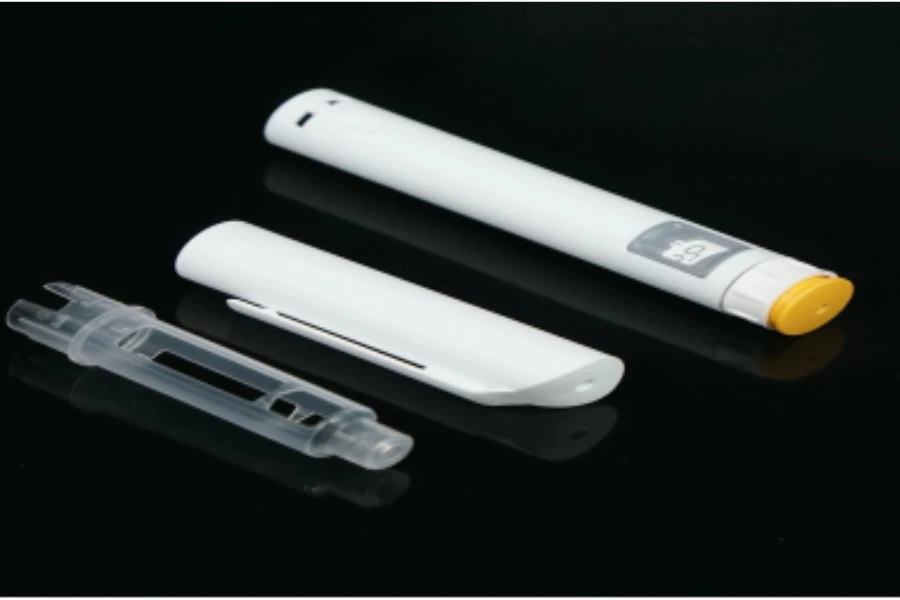
Injector devices can require injection-molded housings, actuator buttons, dose-setting elements, and internal structural components.
These parts may involve snap-fit connections, moving interfaces, spring retention features, and tight assembly tolerances. Custom manufacturing feasibility depends on the mechanical design, material properties, and specified functional requirements.

Drug Delivery Connectors and Adapters

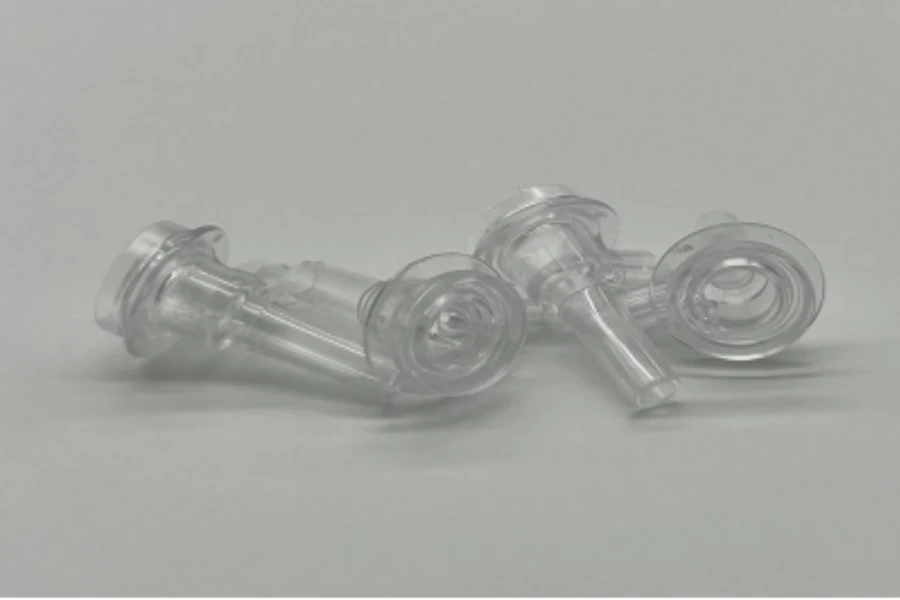
Plastic connectors and adapters establish interfaces between compatible syringes, medication containers, and fluid delivery assemblies.
Connector design must account for mating geometry, sealing requirements, connection forces, and potential fluid contact. Seasky Medical supports custom molding projects involving Luer-related components and medical fluid connections.

Drug Delivery Connectors and Adapters
Custom Drug Delivery Device Housings

Custom Drug Delivery Device Housings

Custom drug delivery housings protect or position internal mechanical components while providing features for assembly, handling, and actuation.
Depending on the design, housings may require thin walls, internal ribs, snap features, dimensional alignment, and appropriate resistance to mechanical loads. Our engineering team can evaluate custom housing designs for injection molding and assembly.

OEM Drug Delivery Component Manufacturing

Drug delivery components often combine small molded features with demanding mechanical and assembly requirements. Manufacturing success depends on identifying critical dimensions, material behavior, and functional interfaces before production tooling is finalized.
Seasky Medical supports custom component development through DFM review, precision tooling, injection molding, and selected secondary operations.

Design for Manufacturability

DFM review evaluates whether a component can be molded consistently without compromising its functional requirements.

For syringe barrels, this may involve internal geometry, wall thickness, draft, and gate location. For injector housings and moving components, the review may focus on snap-fit design, mating tolerances, and potential deformation during assembly.

We assess customer drawings to identify manufacturability risks and opportunities for tooling improvements.

Precision Injection Mold Development

Drug delivery device components may require mold features that form narrow channels, accurate cylindrical surfaces, small mechanical details, and complex assembly interfaces.

Mold development considers cavity layout, steel selection, cooling, venting, ejection, and critical surface requirements.

For parts with tight functional fits, tooling strategies must account for resin shrinkage and dimensional variation throughout the molding process.

Medical-Grade Material Selection

Material selection begins with the intended function of each component.
Polypropylene (PP), polycarbonate (PC), and other engineering thermoplastics may be considered depending on the design. Selection factors include mechanical strength, chemical resistance, dimensional stability, processing characteristics, and the requirements of the final device.
Components that contact medication require additional evaluation of formulation compatibility, extractables and leachables, biological safety, and relevant regulatory expectations.

Medical Micro Injection Molding

Small drug delivery components may contain fine molded details, miniature mechanical features, or narrow connecting structures.
Seasky Medical offers micro injection molding capabilities for medical plastic parts. The suitability of micro molding depends on the component geometry, resin, tooling approach, and required production consistency.

Cleanroom Injection Molding

Some drug delivery components require controlled manufacturing environments to limit particulate contamination and support downstream device assembly.
Seasky Medical offers ISO 8 cleanroom injection molding for projects with defined environmental requirements. Cleanroom production does not independently establish product sterility or suitability for direct pharmaceutical contact.

Assembly and Secondary Operations

Drug delivery devices may require several molded parts to be joined into a functional subassembly.
Seasky Medical supports secondary manufacturing operations and medical device assembly. The production scope can be evaluated according to the customer’s assembly drawings, functional testing requirements, and packaging specifications.

Drug Delivery Components Specifications and Customization Options

Custom component specifications depend on device architecture, intended function, and quality requirements.

Parameter

Design and manufacturing considerations

Component types

Syringe barrels, plungers, injector housings, actuators, connectors, custom molded parts

Application

Syringe systems, injector devices, drug reconstitution and fluid transfer

Material

Application-appropriate PP, PC, or other specified thermoplastics

Dimensions

Custom geometry based on 2D drawings and 3D CAD models

Tolerances

Project-specific critical dimensions and functional fit

Functional surfaces

Sliding, sealing, mating, or guiding interfaces

Mechanical features

Threads, snap fits, ribs, clips, and actuator interfaces

Drug contact

Material compatibility and required chemical evaluation

Sterilization

Compatibility review where sterilization is required

Production scope

Mold making, injection molding, inspection, assembly, and packaging

Quality requirements

Dimensional inspection, process control, traceability, and agreed verification criteria

Final tolerances, manufacturing methods, and testing scope are determined by component design, material behavior, and customer requirements.

Applications of Drug Delivery Components

Syringe-Based Drug Administration

Injection-molded syringe components support medication preparation and administration. Barrel geometry, plunger movement, connection interfaces, and material properties must meet the requirements of the intended device.

Medical Fluid Transfer

Connectors and adapters enable fluid transfer between compatible medical components. Their design must consider interface standards, potential leakage, connection integrity, and chemical compatibility.

Drug Reconstitution and Mixing

Dual-chamber and mixing syringe systems may store separate materials until activation. Their molded components must accommodate chamber geometry, sealing elements, and controlled movement during the mixing process.

Custom Drug Delivery Equipment

Specialized drug delivery devices may require application-specific molded housings, mechanical interfaces, or fluid-contact components. Such projects benefit from early collaboration between product designers, mold engineers, and manufacturing teams.

Pen Injectors and Injection Devices

Pen injectors and related delivery systems use molded plastic components for structural support, dose-setting mechanisms, actuation, and user interaction. Mechanical fit and repeatability are particularly important for moving parts.

Quality Control for Drug Delivery Component Manufacturing

The functional requirements of drug delivery components vary according to their role in the device. A non-fluid-contact housing may require mechanical and dimensional verification, while a syringe barrel or fluid connector may also require additional sealing and chemical compatibility assessments.
Seasky Medical operates under an ISO 13485:2016-certified quality management system and provides controlled manufacturing processes for medical plastic parts.

Critical Dimensional Inspection

Dimensional control is particularly important for mating components, sliding interfaces, cylindrical surfaces, and assembly features. Inspection plans should identify critical-to-quality dimensions and acceptance limits based on customer specifications.

Mechanical and Functional Verification

Depending on the component, functional requirements may involve plunger movement, connection integrity, actuation force, retention strength, or assembly performance. Verification methods and acceptance criteria should be established according to the intended device application.

Material and Process Control

Raw material identification, molding parameter control, and production records help maintain manufacturing consistency. For medication-contacting components, material selection and qualification must be coordinated with the device manufacturer's drug compatibility and regulatory assessment.

Cleanroom and Contamination Control

Cleanroom molding may be appropriate for components with defined environmental cleanliness requirements. Additional controls may be needed for bioburden, particulates, extractables, or other product-specific concerns. Such requirements must be established separately from the cleanroom classification.

Traceability and Manufacturing Documentation

Drug delivery component projects may require material lot identification, inspection documentation, mold maintenance records, and validated manufacturing processes. The level of documentation and process validation is determined by the project's risk assessment, customer requirements, and applicable regulatory obligations.

Why Choose SeaskyMedical for Drug Delivery Components?

Experience in Syringe Injection Molding

Seasky Medical has dedicated manufacturing solutions for disposable syringes and dual-chamber syringe systems. This experience provides a relevant foundation for custom plastic component projects involving cylindrical geometries, plunger interfaces, and medication preparation systems.

Precision Mold and Injection Molding Capabilities

Our services integrate component design review, precision mold manufacturing, material selection, and injection molding. This approach supports early identification of manufacturing risks associated with complex molded geometry and critical assembly features.

ISO 13485-Certified Quality Management

Seasky Medical operates under an ISO 13485:2016-certified quality management system for medical manufacturing. Quality planning and manufacturing controls are organized according to the agreed scope and requirements of each project.

ISO 8 Cleanroom Manufacturing

Our ISO 8 cleanroom molding capabilities support applications requiring controlled production environments. Cleanroom manufacturing can be combined with appropriate inspection, handling, and secondary operations according to the project's cleanliness requirements.

Custom OEM Manufacturing Support

Seasky Medical focuses on customer-specific medical plastic manufacturing rather than the sale of standard drug delivery products from inventory. We work with medical device companies to evaluate tooling, materials, molding feasibility, assembly requirements, and production planning.

Frequently Asked Questions

Drug delivery components are individual parts used in devices that prepare, contain, transfer, or administer medication. Examples include syringe barrels, plungers, injector housings, actuators, connectors, and internal mechanical components. Their specific functions and manufacturing requirements depend on the delivery method, device design, medication formulation, and intended operating conditions.

Yes. Seasky Medical provides custom plastic injection molding and precision tooling for medical devices, including documented syringe and dual-chamber syringe manufacturing solutions. Customers can submit drawings and technical requirements for manufacturing review. Feasibility depends on the component geometry, material, intended application, required tolerances, and production volume.

Material selection depends on whether a component contacts medication, transmits mechanical loads, or serves as an external housing. PP, PC, and other medical-grade thermoplastics may be evaluated. Medication-contacting parts require appropriate compatibility and safety assessments, including consideration of extractables, leachables, sterilization conditions, and formulation-specific interactions.

Yes. Seasky Medical provides ISO 8 cleanroom injection molding for medical plastic components with specified cleanliness requirements. The appropriate environment depends on the device design and downstream manufacturing processes. Cleanroom molding alone does not establish sterility, low bioburden, or compliance with pharmaceutical packaging requirements without additional controls and verification.

Drug delivery components cover parts used in various medication administration systems, including syringes, injectors, and drug reconstitution devices. IV components are specifically associated with intravenous fluid administration assemblies. These categories may overlap where connectors or fluid-control components are used in both types of devices.

Seasky Medical offers medical device assembly and secondary manufacturing services in addition to precision injection molding. Assembly feasibility and production scope depend on the product architecture, component interfaces, process requirements, and customer specifications. Functional testing, packaging, and related verification responsibilities should be defined during project planning.

Please provide available 2D drawings or 3D CAD files, component material requirements, critical tolerances, and estimated production volumes. Additional information should include the intended drug delivery application, fluid-contact status, sterilization requirements, assembly scope, and relevant performance criteria. These details support tooling feasibility evaluation and quotation preparation.

green circle

Start Your Project Now